Winter Clothes for Kids: A Smart Layering Guide for Indian Winters
- Dress kids in layers, not one heavy piece, so you can add or remove as the day shifts.
- Start with a soft cotton base layer next to the skin, then a warm middle layer.
- Indian winters swing a lot between day and night, so plan for both.
- For sleep, use a mid-weight cotton night suit and a light blanket, not heavy bundling.
- Size with a little room for a layer, but not so loose it stops trapping warmth.
Winter clothes for kids work best in layers, starting with a soft cotton base next to the skin and adding warmth on top. Layering lets you adjust through the big day-to-night swing of an Indian winter, so a child is warm in the morning and never overheated by afternoon.
We source our cotton and design our prints, so we build the base and middle layers that sit closest to your child. Here is how to layer them well.
❄️ What should kids wear in an Indian winter?
Think in three layers, not one thick garment.
A soft base layer holds warmth, a middle layer adds it, and an outer layer blocks wind on the coldest days.
Most Indian winters are moderate, so the base and middle layers do most of the work.
In the far north the cold bites harder, while coastal homes may need only a light layer, so read your own city.
A hooded top handles a sudden cold wind on the school run. Keep it light so it layers over the base without bulk.
🧅 How does layering actually work?
Each layer has one job, and together they trap warm air.
The base layer is soft cotton against the skin. The middle layer, like a sweatshirt, adds warmth. The outer shell, a jacket, only comes out when it is truly cold.
Trapped air is what keeps a child warm, so two thin layers beat one thick one every time.
Cotton is a smart base because it breathes as kids move. It carries sweat away instead of holding it against the skin.
Layer, do not pile. Two or three thin layers keep a child warmer and comfier than one heavy piece, and you can remove one when the sun comes out.
🧵 Which fabrics keep kids warm without itching?
Keep soft cotton next to the skin, always. We build our base and middle layers from 100% skin-safe cotton that breathes and does not scratch.
Rough wool worn directly on the skin is the usual cause of winter itching and fuss.
Put warmth on the outside and softness on the inside, and most winter skin trouble disappears.
If a woollen is a must, keep a cotton layer underneath it. The soft layer, not the wool, then touches the skin.
Breathable layers also stop the clammy feeling kids get when they run around in heavy clothes.
👕 What winter basics should I actually buy?
Build the wardrobe around versatile cotton pieces you can layer.
Keep two or three of each basic so the rotation survives the wash. Kids get grubby fast in winter play, and drying takes longer in the cold.
| Layer | What it does | Piece to buy |
|---|---|---|
| Base | Holds warmth, sits on skin | Full-sleeve cotton tees and combos |
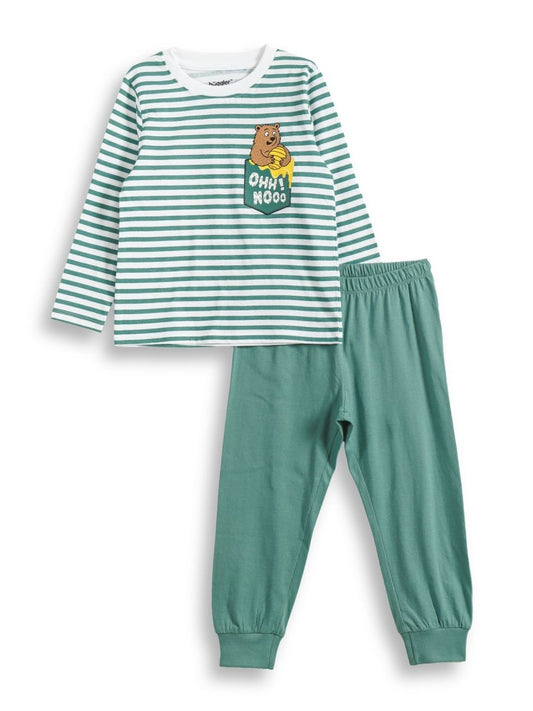
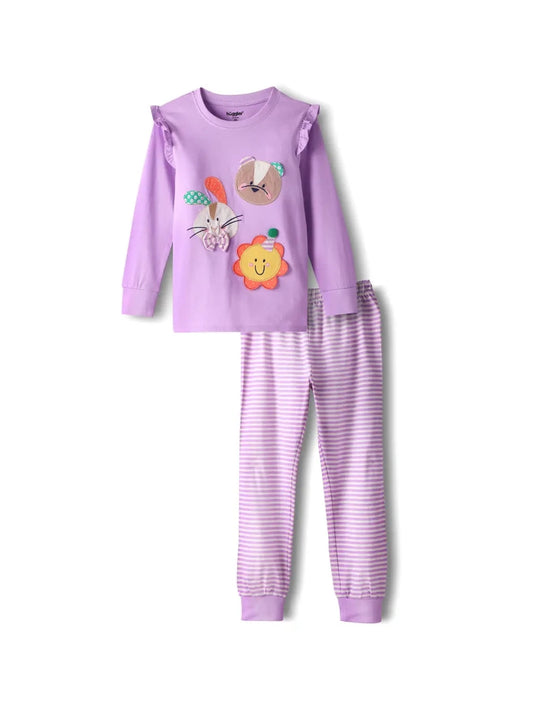
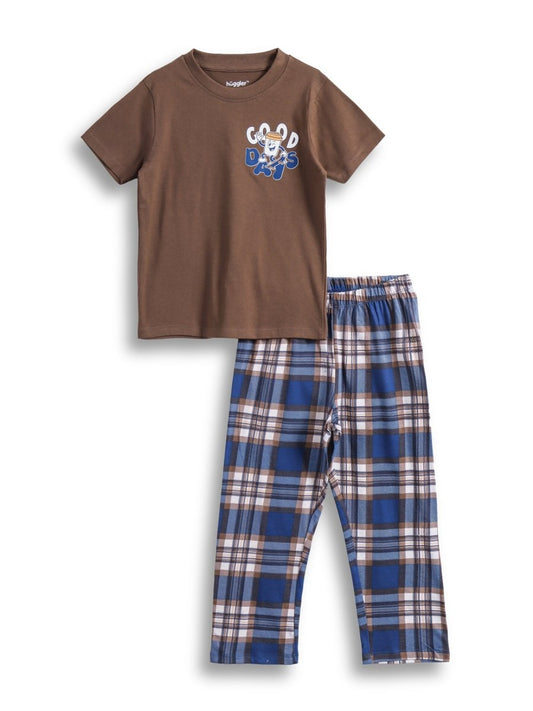
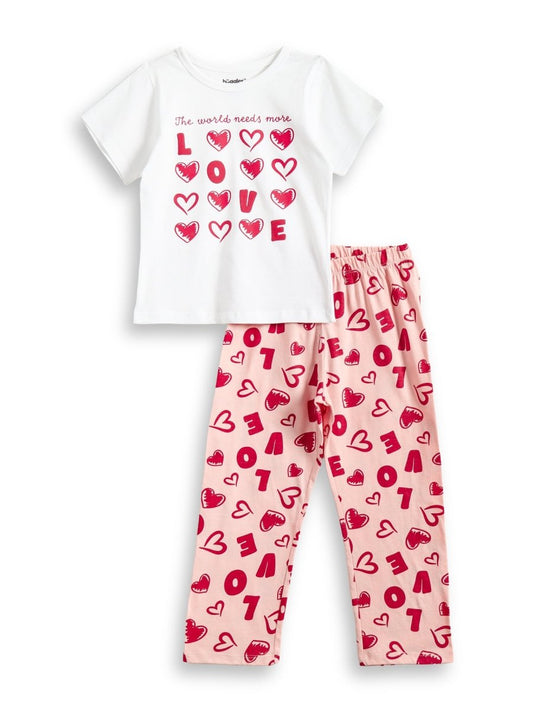
| Sleep | Warm, safe night cover | Mid-weight cotton night suits |
| Middle | Adds daytime warmth | Soft cotton sweatshirts |
| Bottoms | Warm legs for play | Full-length joggers or pyjamas |
We make the base and middle layers, from full-sleeve night suits to soft sweatshirts, in eight age-based sizes from 2-3Y to 9-10Y. Heavy outerwear goes over the top.
🌙 What should kids wear to sleep in winter?
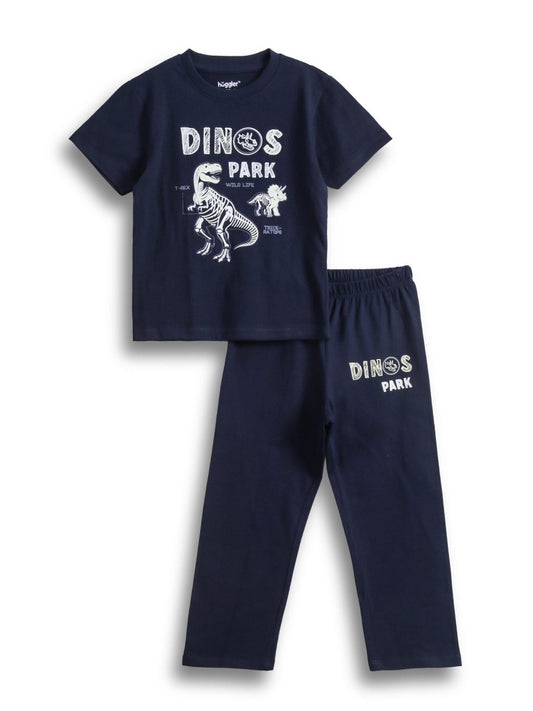
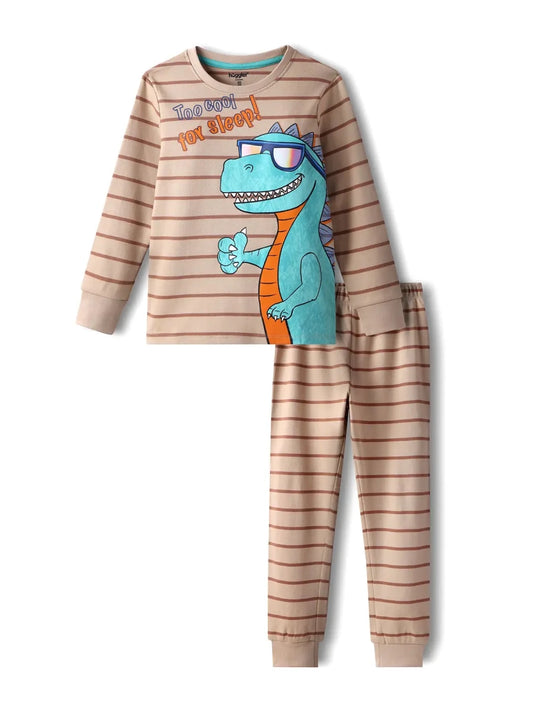
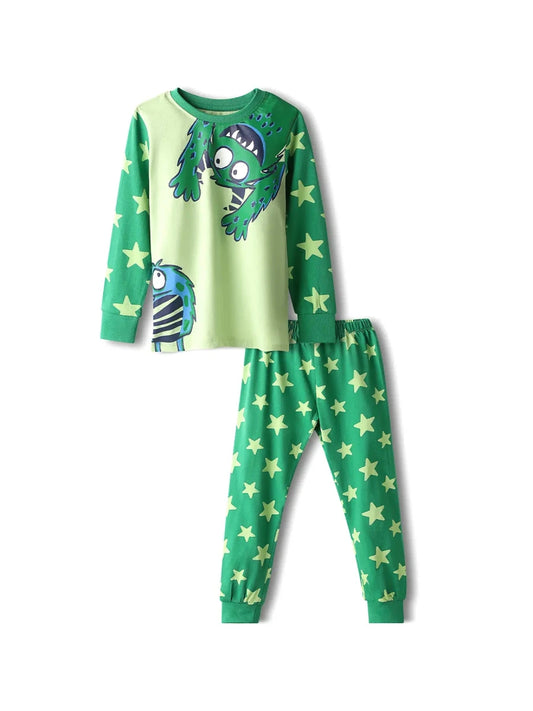
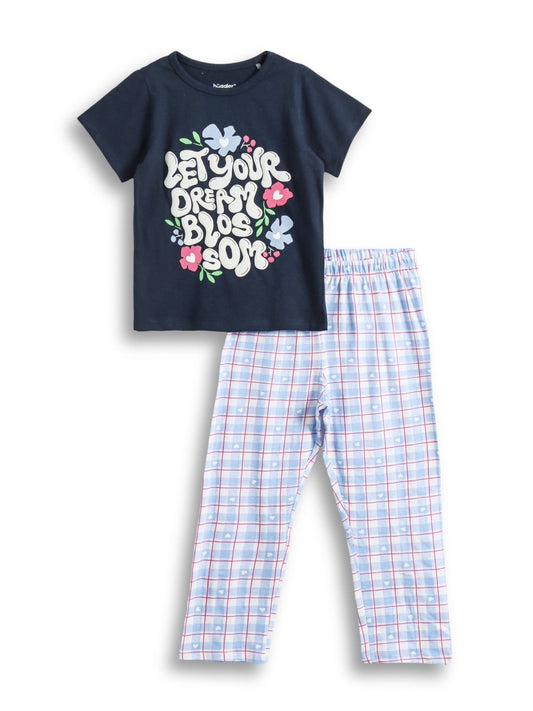
Use a mid-weight cotton night suit with full sleeves, then add a light blanket.
Warm, breathable cotton keeps a child cosy without trapping sweat, which is what wakes them at night.
Skip thick, loose bundling for little ones, since it can slip and cause overheating.
Socks and a full-length leg keep the warmth in far better than piling blankets that get kicked off.
Overheating is a real winter risk. If a child's chest or neck feels hot and damp, remove a layer. Warm hands and feet with a cool trunk are normal.
🌞 How do I dress for warm days and cold nights?
India's winter days can turn mild by noon, so plan for the swing.
Send kids out in a cotton base plus a sweatshirt, and let them peel the sweatshirt off when the sun is high.
Layering means you never have to choose between a cold morning and a warm afternoon.
A light scarf or cap covers the coldest early mornings. Both are easy to stash once the day warms up.
Mornings and evenings are the coldest points, so keep the middle layer handy at drop-off and pick-up.
Pack the middle layer in the school bag rather than forcing it on. A child who can remove a sweatshirt stays comfortable all day.
📏 Should I size up winter clothes?
Leave a little room for a layer underneath, but do not go baggy.
Air trapped by a snug-enough fit is what keeps a child warm, so order the age-based size and size up only if your kid is tall.
A too-loose base layer lets warm air escape, which defeats the point of layering.
🧺 How do I care for winter clothes?
Wash on a gentle cycle, turn pieces inside out, and dry in the shade.
Our pre-washed cotton holds its shape and colour through a full season of wear.
Shade drying protects the print, and a good shake before it dries keeps the fabric soft.
Store the heavy pieces folded, not on hangers, so they keep their shape. Air them on a bright day before the season starts.
🌡️ How do I tell if my child is warm enough?
Feel the back of the neck or the chest, not the hands. Warm and dry there means your child is comfortable.
Cold hands and feet are normal and not a reason to add a layer. Kids run warmer than we expect once they are moving.
Damp skin under the layers means one layer too many. Peel it off before the sweat cools and chills them.
At night, check the same spots without waking them. Adjust the blanket rather than adding heavy clothing.
🧦 The four-step winter outfit
Here is the whole method in order.
- Base first. A soft cotton full-sleeve layer next to the skin.
- Add warmth. A sweatshirt as the middle layer for the day.
- Shell if needed. A jacket only on the coldest mornings.
- Adjust often. Remove a layer the moment the trunk feels hot.
Four steps to a warm child who never overheats.
💬 FAQ
What are the best winter clothes for kids in India?
Layered cotton pieces, a soft full-sleeve base, a warm sweatshirt, and a jacket only when needed. Cotton next to the skin keeps kids warm without itching.
How should I dress my child for sleep in winter?
A mid-weight cotton night suit with full sleeves plus a light blanket. Avoid heavy bundling for little ones, as it can cause overheating.
Should winter clothes be a size bigger?
Leave a little room for a base layer, but not so much that the clothes hang loose, since a snug-enough fit traps warmth.
Is cotton warm enough for an Indian winter?
For most of India, layered cotton with a sweatshirt is plenty. Add a jacket over the top on the coldest days.
More on sizing and delivery? Our FAQ has the details.
Ready to layer up for the season? Browse our Huggler night suits in warm, breathable cotton for cosy winter nights, with full-sleeve prints for boys and girls. Order each child's age size with our size guide, and enjoy dispatch in 24 to 48 hours with a 7-day exchange. 💛

Written by the huggler team
The designers and parents behind huggler — soft, 100% cotton kidswear with original in-house prints, made in Tirupur and worn by 20,000+ Indian families. We write these guides from what we make and what our customers ask us. About huggler
From huggler
Shop kids' cotton night suits
Soft, pre-washed 100% cotton night suits in age-based sizes, made in Tirupur.
Also useful: Size guide · Fabric guide · FAQ · All parent guides