How to Layer Kids' Clothes in Winter Without Overheating
- Layer kids in thin, breathable cotton you can add or remove, not one thick piece.
- Start with a soft cotton base against the skin, then a warm middle layer.
- Overheating is as disruptive as cold, so watch the neck and back for sweat.
- For Indian winters, two or three light layers beat a single heavy jacket.
To layer kids for winter without overheating, build up thin, breathable layers you can add or remove, starting with soft cotton against the skin. Layers you can peel back give you control that one thick jacket never will.
Most winter overheating comes from too much fabric at once. Here is the simple layering system we use.
Get the base layer right, and the rest falls into place.
🧅 Why is layering better than one thick jacket?
Layers trap warm air between them, and you can adjust them through the day.
One heavy jacket is all or nothing, so a child swings between too cold and too hot.
Breathable cotton next to the skin moves sweat away, so warmth stays comfortable rather than clammy.
When the sun comes out or the room heats up, you simply remove a layer.
You also spend less over the season, since a few thin layers mix and match instead of one bulky coat that only works when it is truly cold.
Think of the base as the comfort layer and the outer as the weather layer, with the middle doing the real warming in between.
👕 What goes in each layer?
Think in three parts: base, middle and outer. Each has a job.
The cotton base layer sits against the skin and keeps it dry. The middle layer, like a sweatshirt, holds warmth. The outer layer blocks wind and cold.
Most Indian winters need only the first two layers indoors, with the outer added for going out.
Indoors with a heater running, the base plus a light middle layer is often plenty, and the jacket can wait by the door.
Add the outer layer only for the cold walk or drive, then take it off again once you are inside and warm.
Three layers you can add or remove as the day changes.
| Layer | Job | Best fabric |
|---|---|---|
| Base | Keeps skin dry and soft | Breathable cotton |
| Middle | Holds body warmth | Cotton sweatshirt or knit |
| Outer | Blocks wind and cold | Light jacket, added outdoors |
🌡️ How do I know if my child is too hot?
Feel the back of the neck or the chest. Warm and dry is right; damp or sweaty means one layer too many.
Flushed cheeks, sweaty hair and restlessness are common signs of overheating.
Hands and feet often feel cool even when a child is warm enough, so do not judge by those alone.
Trust the neck check over a thermometer, because rooms, blankets and activity all change how warm a child actually feels.
Kids also warm up fast once they start running around, so what felt right at breakfast may be too much by mid-morning.
Overheating is easy to miss under a thick jacket. Check the neck when you come indoors, and peel back a layer before it turns into a sweaty, cranky meltdown.
🌙 How should I layer kids for sleep in winter?
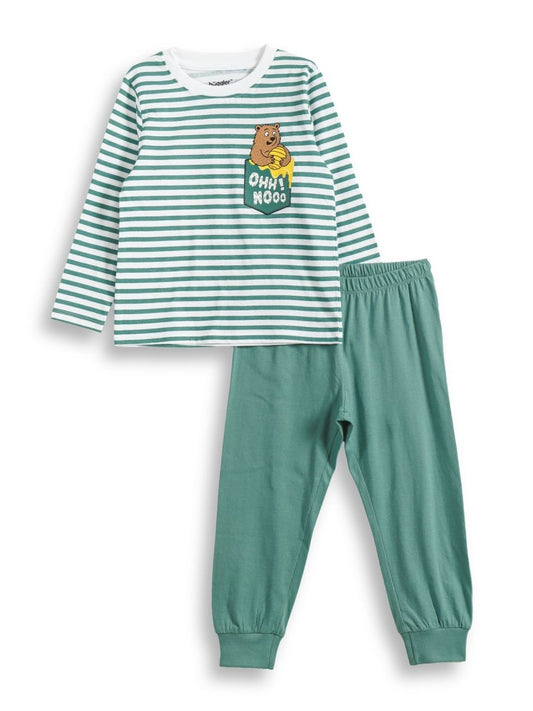
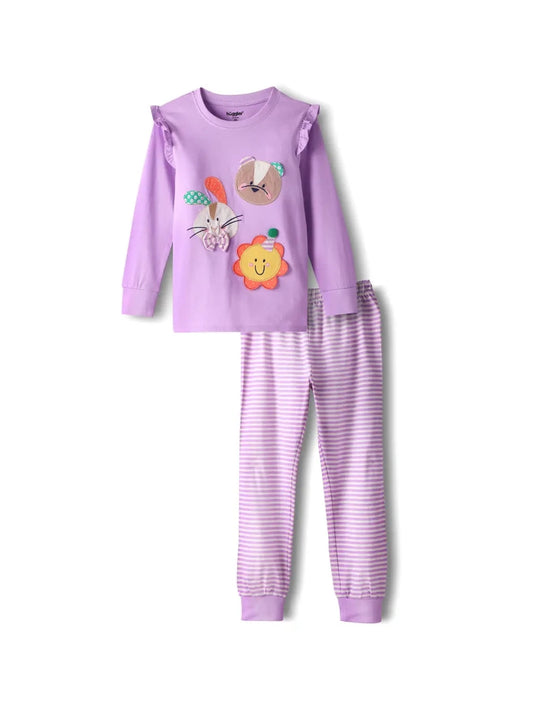
Keep the base breathable. A full-sleeve cotton night suit is warm enough for most Indian winter nights indoors.
Add a light blanket for the coldest hours rather than bundling your child in thick layers.
If the room is very cold, a soft cotton layer under the night suit adds warmth without trapping heat.
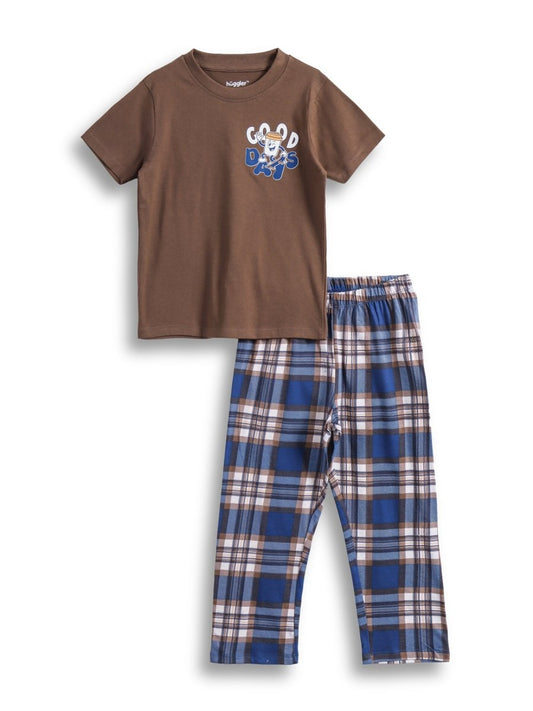
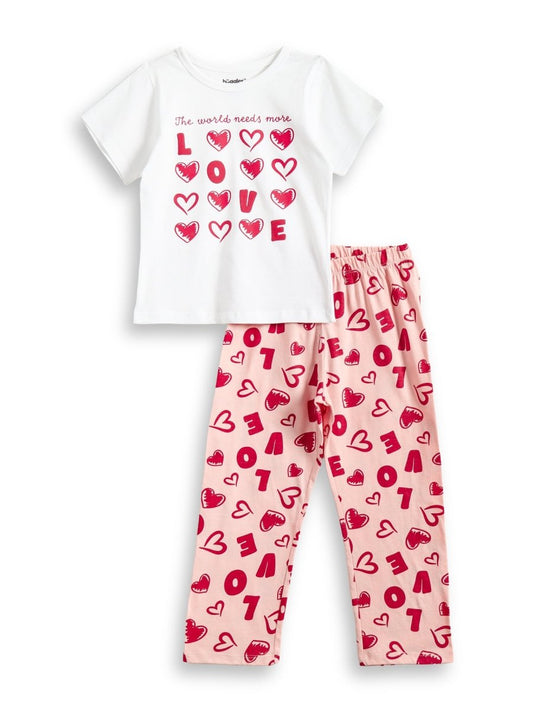
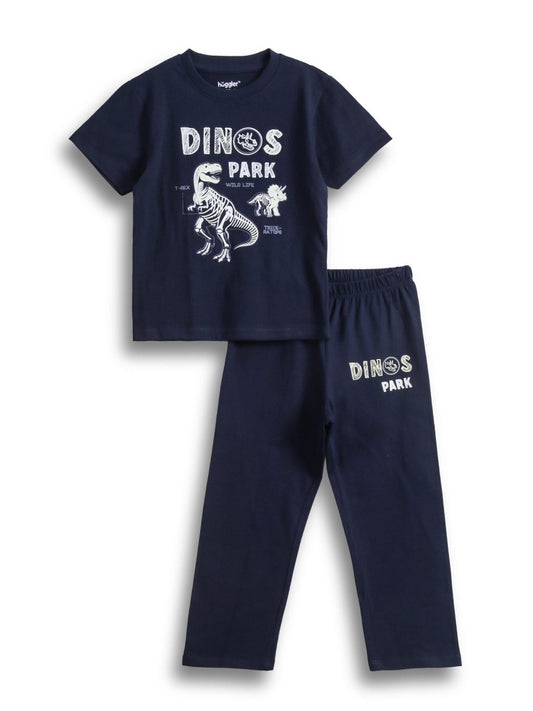
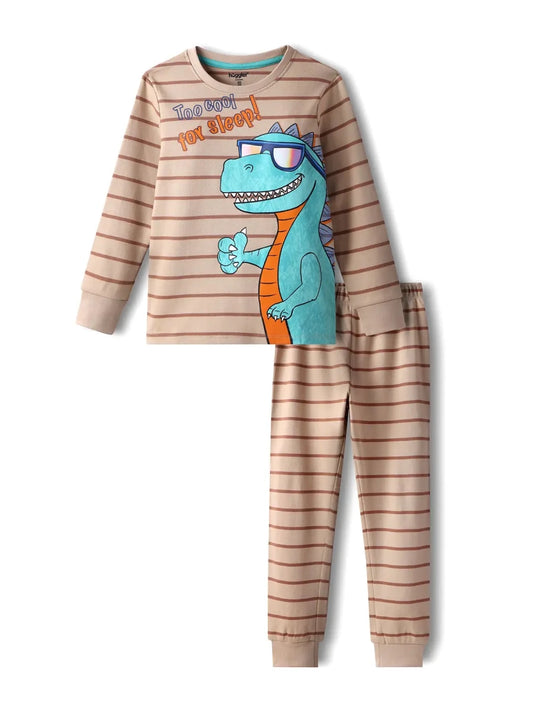
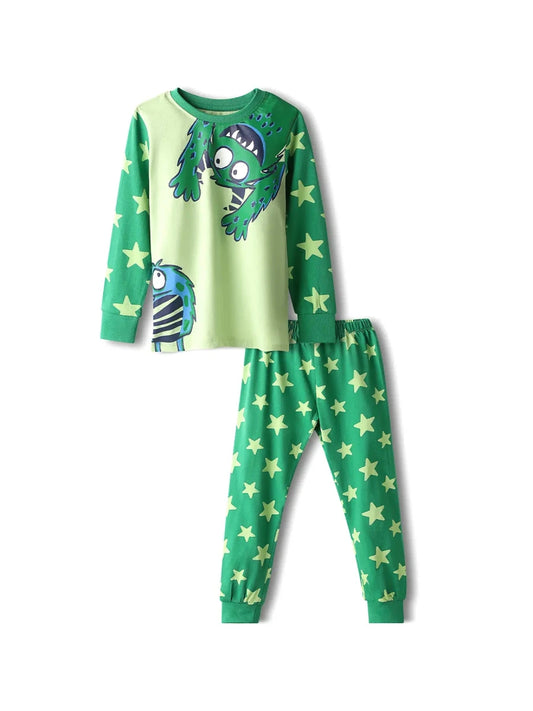
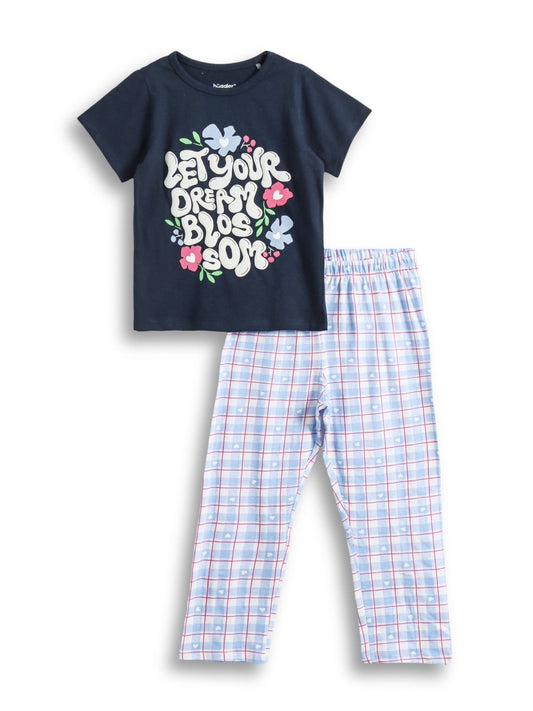
Our cotton night suits work well as that breathable sleep base all season.
On milder winter nights, the night suit alone does the job, and you reach for the blanket only when the temperature really drops.
A warm cotton sweatshirt over the night suit is an easy way to add heat on the coldest nights without a heavy, sweaty layer.
🍼 How do I layer a baby safely?
A simple rule helps: dress a baby in one more light layer than you are wearing.
Keep the layers fitted and soft, and avoid loose, bulky bundling that can slip over the face.
For babies under one, skip loose blankets at night and use a wearable sleep sack over a cotton base instead.
A snug sleep sack in the right size cannot ride up over the face, which makes it calmer than tucking blankets around a wriggly baby.
Check the sack is sized to your baby, since one that is too big can slip and one too small will feel tight.
A baby cannot tell you they are too warm or push off a heavy layer. Fitted skin-safe cotton plus a sleep sack is safer than a pile of blankets.
🏫 How do I layer for school and outdoors?
Send kids off in thin layers they can manage themselves. Classrooms warm up, and a child who cannot remove a layer just overheats.
A cotton base and a sweatshirt, with a jacket for the walk, covers most school days.
Choose layers that fold small, so a removed jacket fits easily into a school bag.
Label the sweatshirt and jacket too, since removable layers are exactly the ones that go missing on a busy school day.
Pick buttons or zips your child can manage alone, so they can add or shed a layer without waiting for help.
🧵 What fabrics work best for winter layers?
Keep cotton against the skin always. It is soft, breathable and gentle for the layer that touches your child all day.
Wool or fleece can work as a middle or outer layer, but they are best kept off the skin.
A skin-safe cotton base under a warmer top gives you warmth without the itch or the sweat.
Steer clear of scratchy wool straight against the skin, as the itch alone can keep a sensitive child fidgeting and awake.
If a knit feels rough to your hand, it will feel rougher on young skin, so keep a soft cotton layer underneath.
Two thin layers usually beat one thick one. You can remove a layer at midday or midnight instead of waking a hot, uncomfortable child.
📏 How should winter layers fit?
The base should be close but not tight, so it traps a little warmth and still lets skin breathe.
Middle and outer layers can be slightly roomier to go over the base comfortably.
A relaxed fit that covers wrists and ankles keeps warmth in without pinching. Match age to size with our size guide.
🧺 How do I care for winter layers?
Wash cotton cool and dry it in the shade to keep it soft and true to size.
Air out knits and sweatshirts between washes, since thicker layers hold onto smells.
Because our cotton is pre-washed, it shrinks less, so the base layer you buy keeps its fit all winter.
Build warmth in thin, removable layers over a breathable cotton base. Check the neck, and take a layer off before your child overheats.
💬 FAQ
How many layers should kids wear in winter?
Usually two indoors (a cotton base and a warm middle) and a third outer layer outdoors. Adjust as the room and weather change.
How do I stop my child overheating under layers?
Use thin, breathable cotton and check the neck or back for sweat. If it feels damp, remove a layer.
What is the best base layer for kids?
Soft, breathable cotton worn close to the skin. It keeps skin dry so the warmer layers stay comfortable.
Should babies wear more layers than adults?
About one light layer more, kept fitted. At night, use a sleep sack over cotton instead of loose blankets.
Ready to build cosy winter layers? Start with a soft cotton base from Huggler's boys' night suits and girls' night suits, made in our own breathable, pre-washed cotton across eight sizes. 🧥

Written by the huggler team
The designers and parents behind huggler — soft, 100% cotton kidswear with original in-house prints, made in Tirupur and worn by 20,000+ Indian families. We write these guides from what we make and what our customers ask us. About huggler
From huggler
Shop kids' cotton night suits
Soft, pre-washed 100% cotton night suits in age-based sizes, made in Tirupur.
Also useful: Size guide · Fabric guide · FAQ · All parent guides