Monsoon Dressing for Kids: Quick-Dry Fabrics and Smart Picks
- In the monsoon, pick light cotton and cotton blends that dry fast and breathe.
- Keep a few extra sets ready, since damp clothes and sudden showers are constant.
- Avoid heavy fabrics that stay wet and bring on chills and rashes.
- Loose, breathable clothing beats sticky synthetics in humid weather.
For the monsoon, dress kids in light, breathable cotton and cotton blends that dry quickly and let humid air move. Quick-drying, airy fabrics keep kids comfortable through damp, muggy days far better than heavy or synthetic ones.
Monsoon dressing is about staying dry and comfortable, not just covered. Here is what works through the wet months.
The right fabric saves you endless changes and cranky, clammy afternoons.
🌧️ What fabrics are best for the monsoon?
Light cotton and mostly-cotton blends are the sweet spot. They breathe and dry faster than heavy fabrics.
Breathable cotton lets humid air move, so kids feel less sticky between showers.
A quick-dry weave matters most in the monsoon, since clothes rarely get a full sunny day to dry.
Thin muslin also works well and dries quickly on a rack indoors.
Skip heavy denim and thick fabrics in the rains, since they soak up water and take an age to dry out.
A fabric that dries fast is worth more than one that simply looks smart on a wet, grey morning.
| Fabric | Dries | Monsoon verdict |
|---|---|---|
| Light cotton | Fast | Breathes and stays comfy in humidity |
| Muslin (malmal) | Very fast | Great for babies and hot, wet days |
| Cotton blends | Fast | Good if mostly cotton |
| Thick denim | Slow | Stays damp, best avoided |
| Heavy synthetics | Varies | Traps sweat, can feel clammy |
👕 What should kids wear on rainy days?
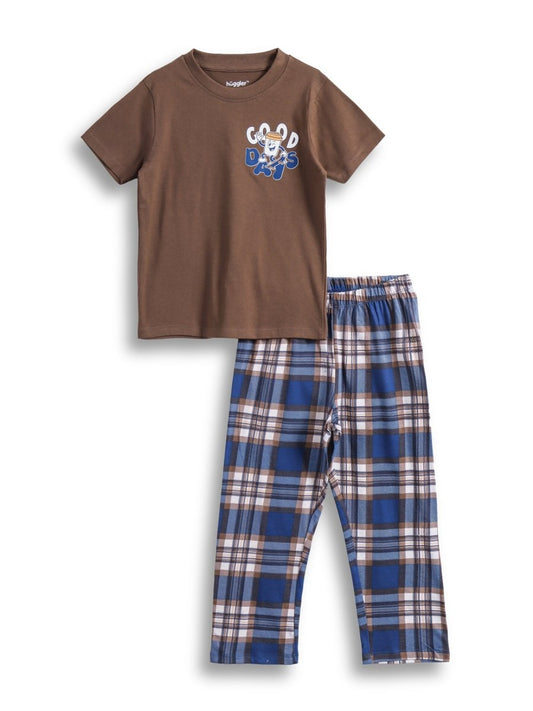
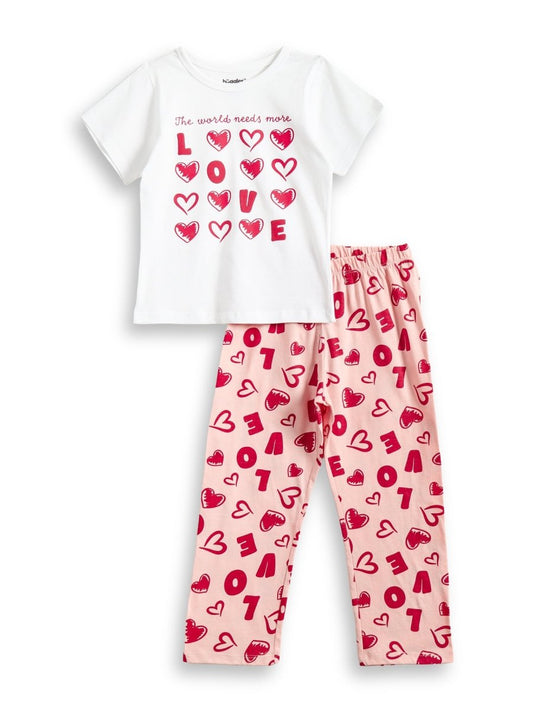
Keep it light and easy to change. A cotton tee with shorts handles a muggy day well.
Our shorts sets dry faster than long, heavy clothing and give kids room to move.
On cooler wet days, a light full-sleeve cotton top adds cover without the weight.
Have a dry set ready in the bag for school or outings.
Roll-up sleeves and shorts also mean less fabric to get splashed and soaked on the way to school.
Darker prints hide the odd mud splash, so they earn their place on the messiest monsoon days.
🌫️ Why does humidity make kids uncomfortable?
In humid air, sweat cannot evaporate easily, so it lingers on the skin.
That damp, sticky feeling leads to fidgeting, poor sleep and, often, prickly heat.
Breathable cotton helps sweat lift away, which keeps skin drier and calmer.
Loose clothing helps here, since air can move between the fabric and the skin instead of sitting still.
Cotton also lets that trapped, sticky warmth escape, which is exactly what a humid room takes away.
🧺 How do I dry clothes when it will not stop raining?
Quick-dry fabrics do most of the work, so lean on light cotton and muslin.
Dry clothes indoors on a rack with a fan running, and give them space so air moves around each piece.
Rotate through a few sets so nothing goes back on damp.
An extra spin in the machine wrings out more water, so clothes finish drying faster on the rack.
Keep sets in a dry cupboard, since clothes left folded in a damp room can pick up a musty smell.
Keep three to four light sets in rotation during peak monsoon. Fast-drying cotton means there is always a dry one ready to go.
🦠 How do I stop rashes and chills in the monsoon?
Change out of wet or damp clothes quickly. Sitting in damp fabric is what causes both chills and rashes.
Keep skin dry with loose, breathable cotton, and dry your child fully after a rain soak.
Make sure clothes are properly dry before wearing, since half-dry fabric can smell and irritate skin.
Dry between the toes and behind the knees too, as these warm, damp spots are where rashes often start.
A quick change straight after getting caught in the rain does more good than any amount of powder later.
Damp clothes left on the skin are the main monsoon culprit for rashes. Change wet sets fast and never dress a child in half-dry clothes.
🌙 What should kids sleep in during monsoon nights?
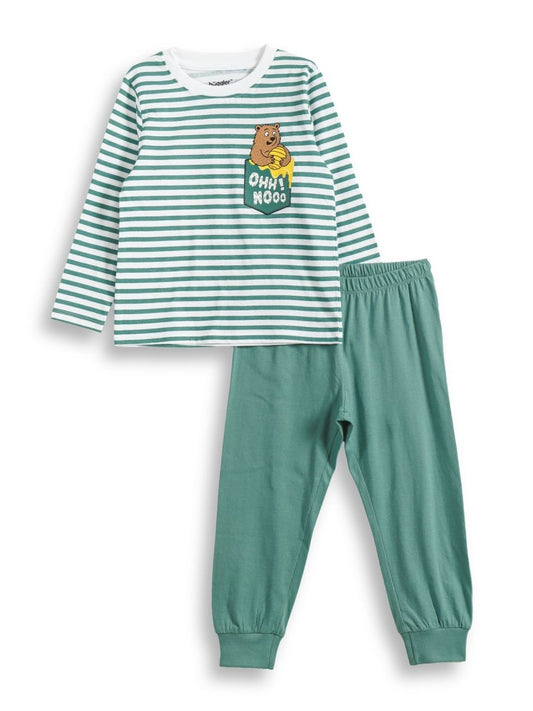
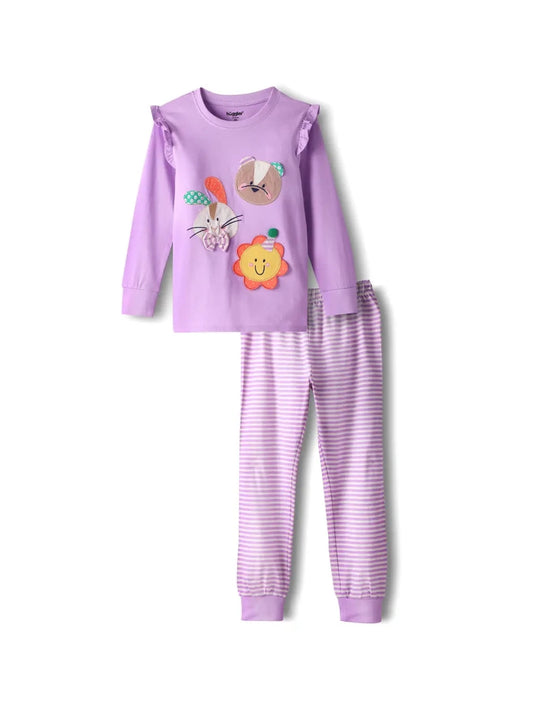
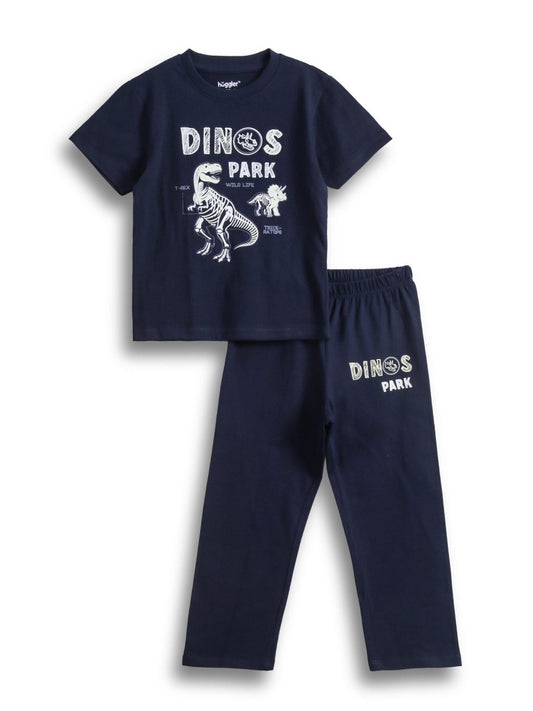
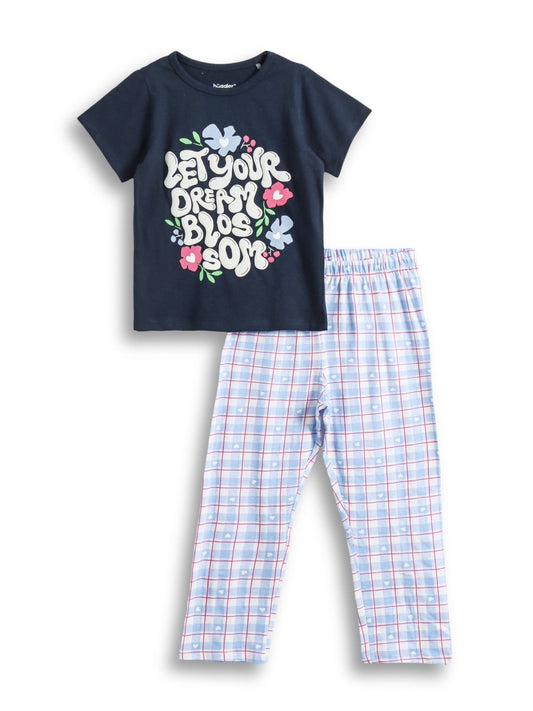
A light cotton night suit keeps a child comfortable through humid nights.
Cotton breathes and lifts away light sweat, so kids stay drier and sleep better.
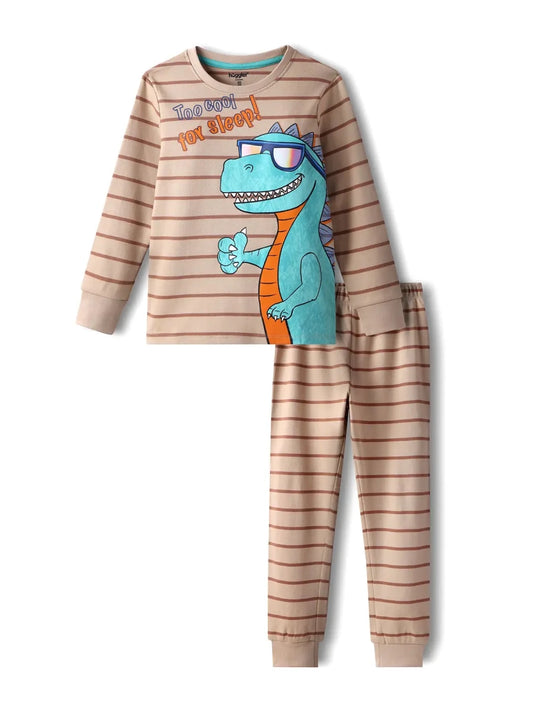
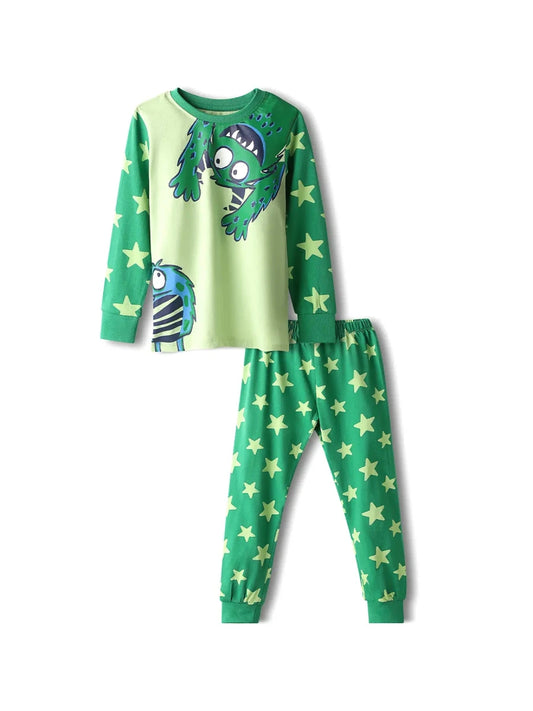
On cooler, rainy nights, a full-sleeve cotton set adds cover while still breathing.
Keep a spare night suit handy in case humidity leaves the first one damp.
Light bedding helps as well, so the whole sleep setup stays airy on a warm, wet night.
If the room feels stuffy, a fan on low keeps the air moving and the fabric drier through the night.
🎒 What should be in a monsoon wardrobe?
Think light, quick-drying and easy to swap. A few extra sets beat one or two heavy outfits.
Build around cotton tees, shorts sets, a couple of light full-sleeve tops and breathable night suits.
Add a light layer for over-cooled AC rooms and a spare set for the school bag.
Keep the wardrobe simple: a stack of light cotton sets you can grab and change without a second thought.
Fold and store them where air moves, so every set is dry and ready the moment the next shower passes.
- Choose light cotton. Breathable, quick-dry fabric as the base.
- Keep spares ready. A few sets in rotation for constant changes.
- Change when damp. Swap wet clothes fast to protect skin.
- Dry fully. Air on a rack with a fan before the next wear.
Four habits that keep kids dry and comfy through the rains.
📏 How should monsoon clothes fit?
Loose and breathable. Room around the body helps humid air move and skin stay drier.
A relaxed fit also dries faster than tight, clingy clothing.
If your child is between sizes, size up for comfort and airflow. Our size guide makes matching age to size simple.
Avoid tight cuffs and waistbands, which cling when damp and can chafe skin that is already warm and moist.
A little room also means clothes dry faster on the body when a quick shower catches you outside.
💛 Why Huggler cotton works in the monsoon
We make our clothing from soft, pre-washed cotton that breathes and dries well.
We source our cotton from Tirupur, India's knitwear capital, so each piece stays light, soft and skin-safe.
Our shorts sets, tees and night suits come in eight age-based sizes from 2–3Y to 9–10Y, in a relaxed fit.
Every piece is soft and gentle enough for daily wear, which matters when the rains mean changing clothes more often.
We build each set to breathe and wash well, so it keeps its shape through a season of frequent laundry.
We dispatch in 24 to 48 hours, so you can top up on light cotton sets quickly when the rains keep the laundry from drying.
In the monsoon, choose light, breathable cotton that dries fast, keep spares in rotation, and change out of damp clothes quickly.
💬 FAQ
What are the best clothes for kids in the monsoon?
Light cotton and mostly-cotton blends that breathe and dry fast. Loose shorts sets and tees work well on muggy days.
Which fabrics should I avoid in the rainy season?
Thick denim and heavy fabrics that stay damp, plus clingy synthetics that trap sweat. They lead to chills and rashes.
How do I dry kids' clothes in constant rain?
Use quick-dry cotton, air it indoors on a rack with a fan, and rotate a few sets so nothing goes on damp.
What should kids sleep in on humid nights?
A light, breathable cotton night suit. It lifts away sweat and helps kids stay dry and settled.
Ready for the rainy season? Stock up on Huggler's light, quick-drying shorts sets and breathable cotton night suits, all in soft, pre-washed cotton across eight comfy sizes. 🌧️

Written by the huggler team
The designers and parents behind huggler — soft, 100% cotton kidswear with original in-house prints, made in Tirupur and worn by 20,000+ Indian families. We write these guides from what we make and what our customers ask us. About huggler
From huggler
Shop kids' cotton night suits
Soft, pre-washed 100% cotton night suits in age-based sizes, made in Tirupur.
Also useful: Size guide · Fabric guide · FAQ · All parent guides