Newborn Clothes Checklist: Exactly What to Buy (and Skip)
- A newborn needs soft basics, not a big wardrobe: bodysuits, sleepsuits, vests, a few muslin wraps and caps.
- Buy little in the newborn size, since babies grow out of it in weeks.
- Choose soft, breathable cotton and wash everything before the first wear.
- Skip fancy, stiff or fiddly outfits, and keep sleepwear simple for safe sleep.
A newborn really needs only a small set of soft basics: cotton bodysuits, sleepsuits, vests, a few muslin wraps, caps and socks. Buy modestly in the smallest size, because babies grow out of it in weeks, and keep everything soft and simple for comfort and safe sleep.
Here is a clear newborn clothes checklist, with how many of each to buy and what you can safely skip.
👶 What does a newborn actually need to wear?
The daily basics are bodysuits, sleepsuits and vests. These cover almost every hour of a newborn's day and night.
Add a few muslin wraps for swaddling and burping, plus one or two caps and a couple of pairs of socks.
A soft cardigan or light layer helps on cool days and in air-conditioned rooms, and comes off just as easily when it warms up.
Everything else is optional. Newborns are happiest in soft, easy pieces that open flat for quick changes.
Look for front or shoulder openings and envelope necklines. They let you dress a wriggly baby without pulling anything over the head.
| Item | How many | Notes |
|---|---|---|
| Cotton bodysuits / onesies | 5–7 | Envelope neck, front or shoulder snaps |
| Sleepsuits (footed) | 4–6 | Easy snaps, no back buttons |
| Vests / undershirts | 5–7 | Extra layer under sleepsuits |
| Muslin wraps | 3–4 | Swaddle, burp cloth, light cover |
| Caps & socks | 2–3 each | For cool days and AC rooms |
| Cardigan / light layer | 1–2 | Add and remove as needed |
🔢 How many newborn clothes should I buy?
Fewer than most lists suggest. A newborn goes through a few changes a day, so five to seven of each daily basic is plenty.
Gifts and hand-me-downs fill the gaps fast, so leave room for those before you buy in bulk.
Wash frequency matters more than the calendar. Wash every couple of days and you need less again.
It is easy to over-buy for a first baby. Start small, then top up once you see what your newborn actually lives in.
Newborns spend most of their time sleeping and feeding, not dressing up, so simple basics do almost all the work.
Buy most of your basics in the 0–3 month and 3–6 month sizes, not the tiny newborn size. Many babies skip or barely wear the smallest size at all.
🧵 Which fabrics are safest for newborn skin?
Soft, breathable cotton is the kindest choice for delicate newborn skin.
Cotton lets heat and moisture escape, which helps prevent prickly heat and rashes in India's warmth.
Light muslin cotton, also called malmal, is ideal for wraps because it is airy and gets softer with every wash.
Feel the inside seams and tags before you buy. Anything rough or scratchy will bother skin this new.
Give synthetics a miss for daily wear. They trap sweat against the skin and can leave a newborn sticky and unsettled.
❌ What newborn clothes can I skip?
Skip stiff jeans, fancy party outfits and anything with lots of back buttons. They fight you at 3am and get worn once.
Give scratchy fabrics and heavy embellishments a miss, since they irritate soft skin and can catch tiny fingers.
You can also skip buying a big batch of the smallest size, as noted above.
Shoes are not needed yet either. A newborn who is not walking is warmer and comfier in simple socks or booties.
Avoid loose ties, drawstrings, hoods and anything with small parts near a newborn's face. Choose fitted, skin-safe cotton for sleep instead.
💤 What about newborn sleepwear and safe sleep?
Keep sleepwear simple and fitted. A soft cotton sleepsuit is enough for most nights.
For warmth, a baby sleep bag sized to your newborn is a safer swap for a loose blanket.
Dress your baby in about one light layer more than you would wear in the same room, then check they are not too warm.
Feel the chest or the back of the neck to judge temperature, not the hands, which often feel cool even when a baby is warm enough.
Overheating is a bigger risk than cold for most newborns. When in doubt, one light layer less is safer than one more.
📏 What size should I buy for a newborn?
Lean towards 0–3 months and 3–6 months rather than the newborn size.
Babies grow fast in the first months, so slightly roomy clothes get more wear than a snug fit that lasts a fortnight.
Check for envelope necklines and easy snaps, which make dressing a wriggly newborn far simpler.
If your baby is born on the bigger side, they may skip the smallest size entirely, so keep the receipts and tags.
🧺 How should I prepare newborn clothes before use?
Wash everything before the first wear, even brand-new pieces.
Use a gentle, fragrance-light detergent and skip strong fabric softeners on new skin.
Dry in shade to keep colours soft and fibres gentle.
- Sort by size. Group 0–3m and 3–6m so nothing outgrown sits unused.
- Wash before wearing. Gentle detergent, no harsh softener.
- Remove tags and check seams. Snip scratchy labels, feel for rough edges.
- Set out a bedtime few. Keep fitted sleepsuits easy to reach for night changes.
Four steps to get newborn clothes ready before the big day.
🎁 What newborn clothes make thoughtful gifts?
Practical basics beat tiny party outfits as gifts, since new parents always run short of everyday pieces.
A bundle of soft cotton sleepsuits and bodysuits is almost always welcome.
A stack of muslin wraps earns its keep as swaddles, burp cloths and light covers.
Choose the 3–6 month or 6–9 month size, since most people gift the newborn size and the bigger ones get missed.
Keep tags and a gift receipt on, so a size can be swapped without any awkwardness.
Gentle colours and soft breathable cotton suit any baby and any nursery.
For a gift that lasts, add a note that toddler sizes come later. Something to grow into is a kind thought.
🌱 What comes after the newborn stage?
Newborn clothes are a short chapter. Within a year, your baby moves into crawling, walking and toddler sizes.
That is where roomier, tougher pieces take over, built for movement and daily washing.
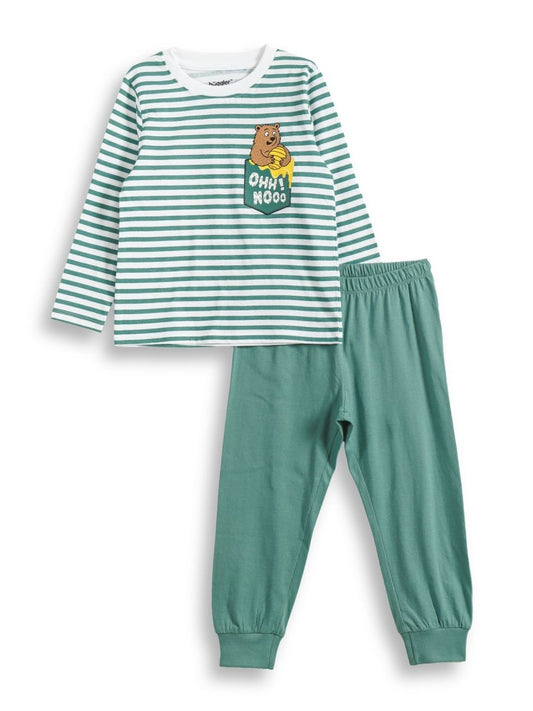
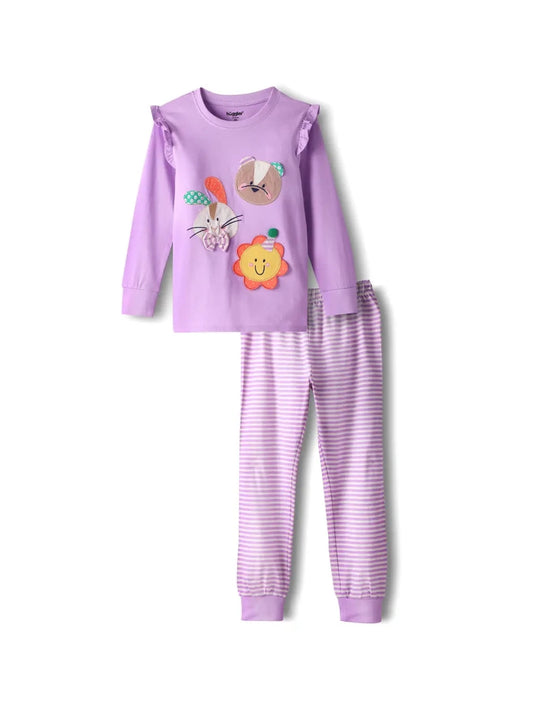
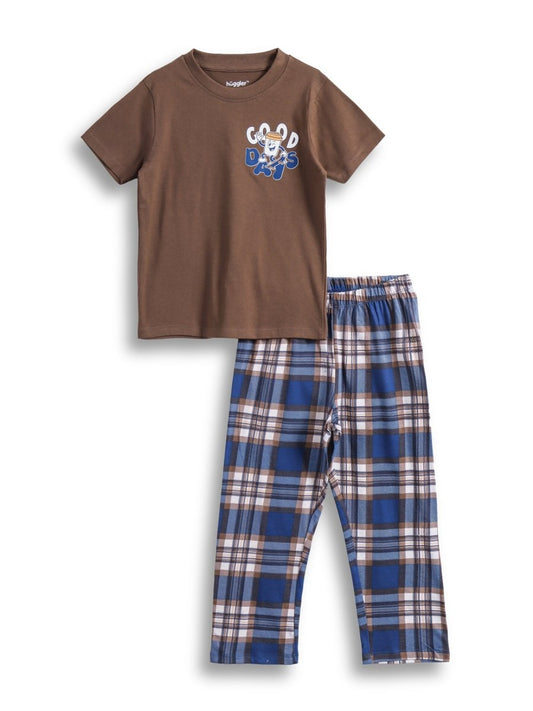
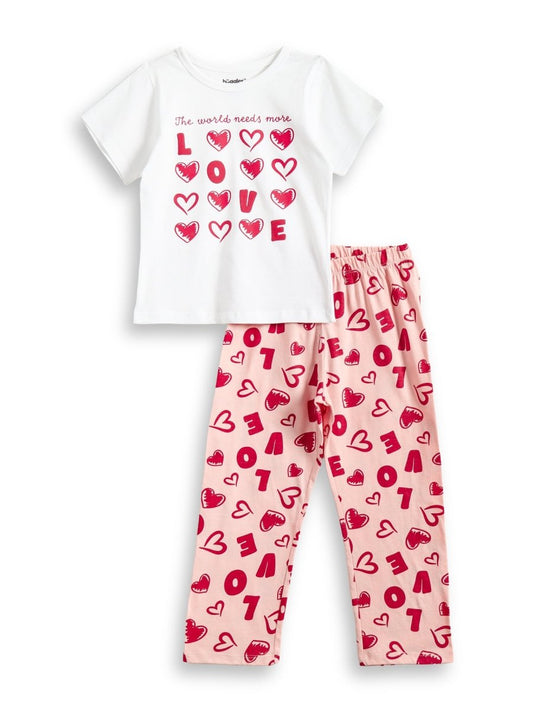
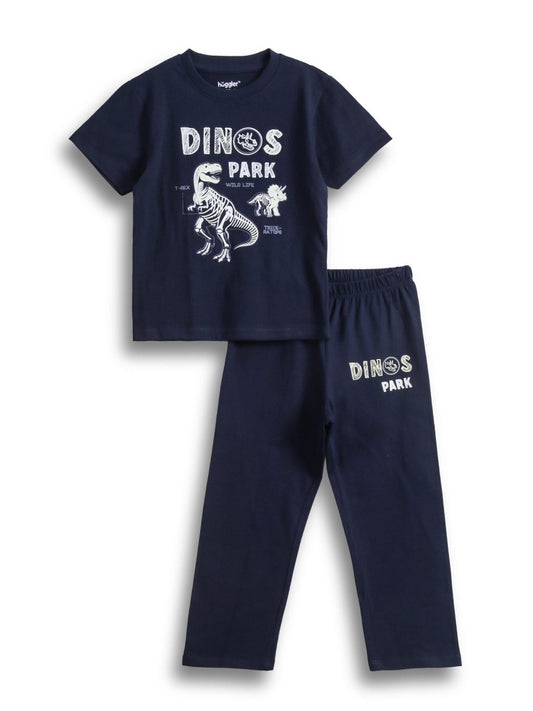
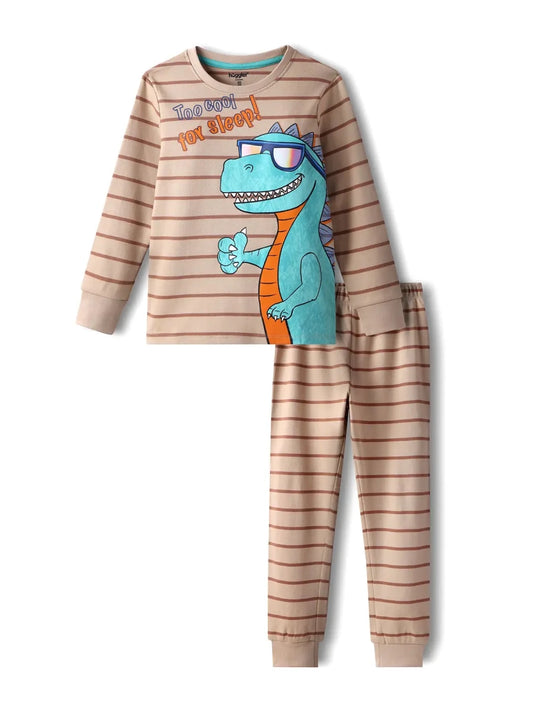
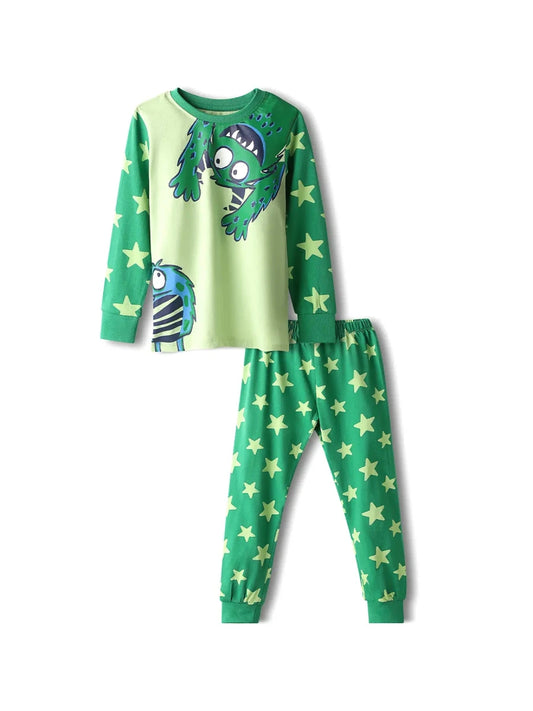
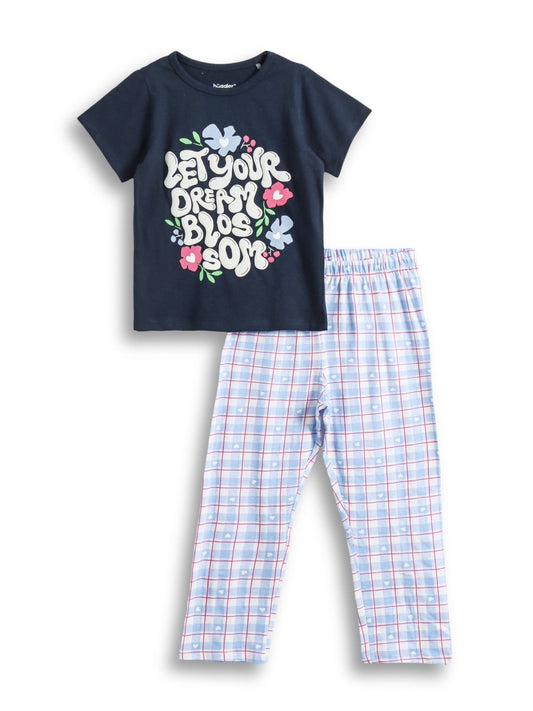
Huggler starts at toddler sizes, with eight age-based bands from 2–3Y to 9–10Y in soft, pre-washed cotton.
When your little one grows into those years, our cotton night suits and shorts sets pick up where the newborn basics leave off. Our size guide makes the jump easy.
Buy small, buy soft, and buy mostly 0–3m and up. A short list of comfy cotton basics beats a drawer full of outgrown outfits.
💬 FAQ
How many newborn clothes do I really need?
About five to seven each of bodysuits, sleepsuits and vests, plus a few muslin wraps, caps and socks.
What size clothes should I buy for a newborn?
Mostly 0–3 months and 3–6 months. Many babies barely wear the tiny newborn size, so buy little of it.
Which fabric is best for newborn clothes?
Soft, breathable cotton, with light muslin for wraps. It is gentle on new skin and helps prevent heat rash.
Should I wash newborn clothes before use?
Yes. Wash everything with a gentle detergent before the first wear to remove factory residue and soften the fabric.
Keep the list short and the fabric soft, and the newborn days get simpler. When your baby grows into toddler sizes, our soft cotton night suits and sets are ready for the next chapter. 💛

Written by the huggler team
The designers and parents behind huggler — soft, 100% cotton kidswear with original in-house prints, made in Tirupur and worn by 20,000+ Indian families. We write these guides from what we make and what our customers ask us. About huggler
From huggler
Shop kids' cotton night suits
Soft, pre-washed 100% cotton night suits in age-based sizes, made in Tirupur.
Also useful: Size guide · Fabric guide · FAQ · All parent guides