How Many Clothes Does a Kid Really Need? A Season-Wise List
- Most kids need about seven everyday outfits, not a stuffed wardrobe.
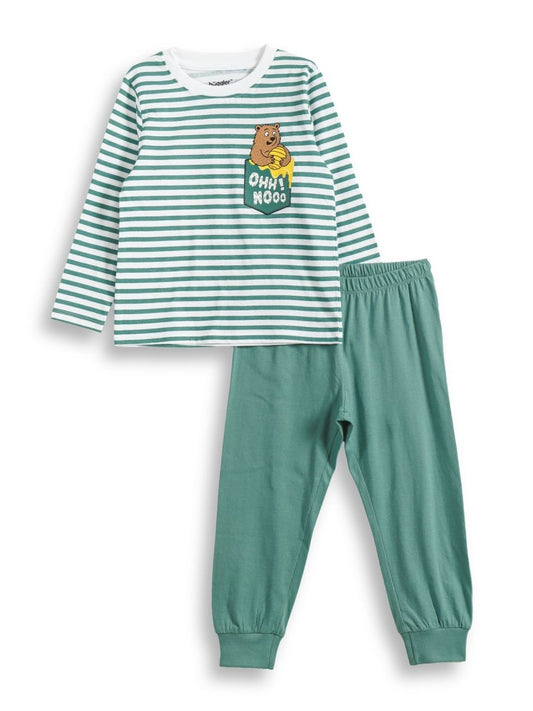
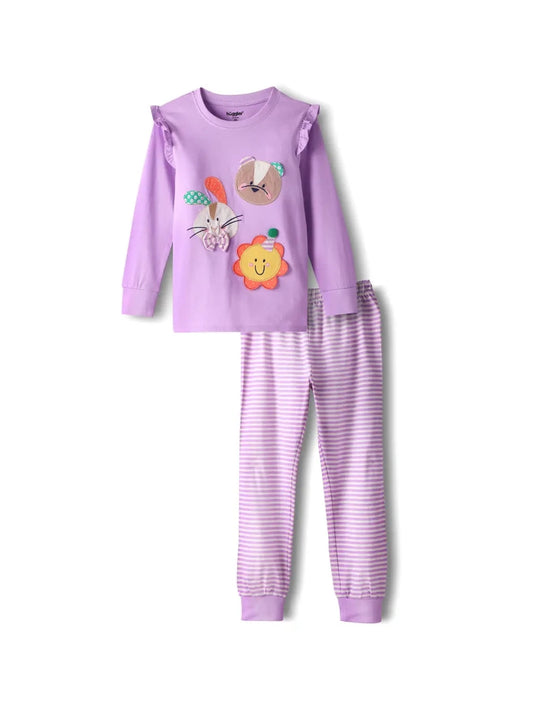
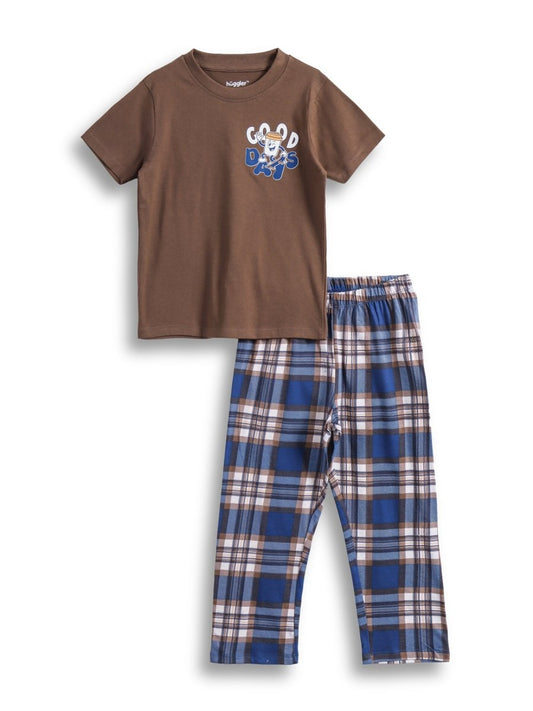
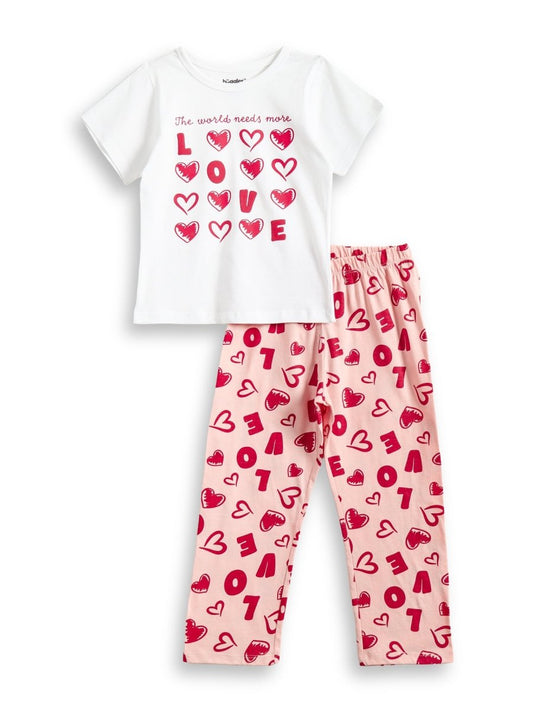
- Add four to five night suits and two or three ready-matched sets.
- Your laundry habit sets the number more than the season does.
- Buy soft, breathable cotton that lasts, and size up as your child grows.
Most kids need about a week's worth of everyday clothes, roughly seven outfits, plus four or five night suits and a couple of nicer pieces. That covers the days between washes with a little spare, which is all a fast-growing child really uses.
Here is a simple, season-wise list so you can stop guessing and stop over-buying.
🔢 How many clothes does a kid really need?
Enough to get through the gap between laundry days, with one or two spare for spills. That is the whole answer in one line.
For a home that washes once a week, that is about seven tops and five bottoms, or seven ready-matched sets.
Add four to five night suits and one or two smarter outfits for parties and visits.
Wash more often and the number drops. There is no need to own a fortnight of clothes for a child who grows out of them in months.
Everything past that spare set tends to sit unworn. A drawer that shuts easily is a good sign you have the right amount.
💛 Why do kids need fewer clothes than we buy?
Kids grow through a size in months, so half a big wardrobe is often outgrown before it is worn. The clothes lose the race to the growth spurt.
Gifts, hand-me-downs and sale buys pile up fast, and most of it sits untouched at the back of the drawer.
A smaller, well-chosen set costs less across the year and wastes far less.
It is also easier to live with. Fewer clothes mean tidier drawers, faster mornings and lighter laundry.
Children have favourites too. They reach for the same soft, comfy pieces again and again, whatever else is in the drawer.
Count what your child actually wore last week. Most parents find it was the same six or seven favourites on repeat, and the rest just took up space.
👕 How many everyday outfits per week?
Around seven is the sweet spot for a school-age child, one clean set a day with a spare for mishaps.
Younger kids who play harder and change more may want eight or nine, since spills come with the age.
Ready-matched shorts sets make this easier, as each one is already a full outfit and nothing needs pairing.
Keep the pieces in one colour family so they mix and match, and seven outfits quietly becomes many more.
💤 How many night suits does a kid need?
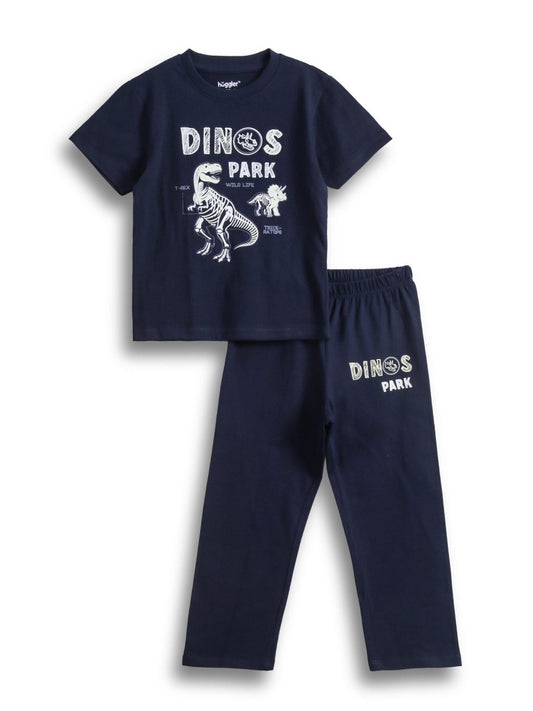
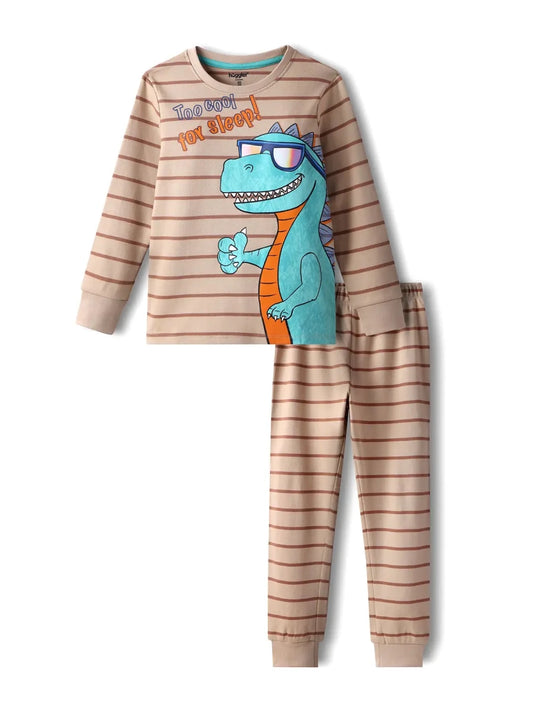
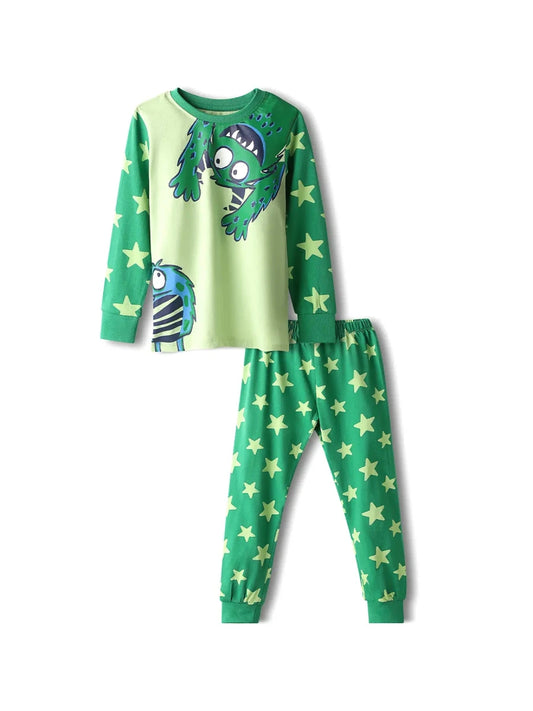
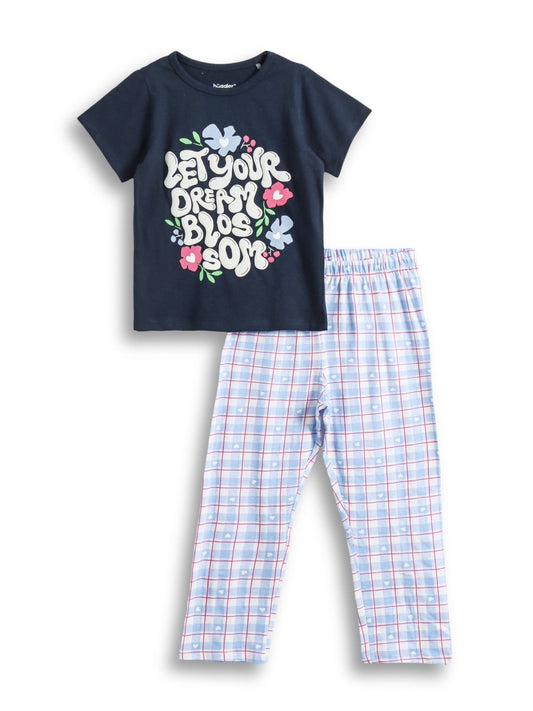
Four to five is right for most homes, enough to cover the week between washes.
Little ones who sweat or have the odd night-time accident may want a couple more on hand.
Match them to the season, light cotton for summer nights and full sleeves for cool ones.
Browse our soft cotton night suits to set the sleep side up in one go.
| Item | Summer | Winter |
|---|---|---|
| Everyday tops | 7–8 light tees | 6–7, some full-sleeve |
| Bottoms | 5–6 shorts | 5–6 joggers or pants |
| Ready-matched sets | 2–3 shorts sets | 2–3 co-ords |
| Night suits | 5 light cotton | 4–5 full-sleeve |
| Smarter outfits | 1–2 | 1–2 |
🌞 How many clothes does a kid need in summer?
Lean into light, airy pieces, since kids change more often in the heat.
Seven or eight thin cotton tees and five or six pairs of shorts cover most weeks.
Sweat and multiple baths a day mean summer is the one time a couple of extras earn their keep.
Pick breathable cotton over synthetics, which trap heat and leave skin sticky on hot Indian nights.
A spare set in the school bag helps too, for the days a water game or a spill cuts playtime short.
❄️ How many clothes does a kid need in winter?
Fewer changes, but warmer layers, so the count stays similar while the pieces get heavier.
Six or seven full-sleeve tops, five or six bottoms and a couple of warm layers see most kids through.
Layering means one warm inner plus a top does the work of a bulky single piece, and adjusts more easily as the day warms up.
You will still reach for the same handful of warm favourites, so buy a few good layers rather than many thin ones.
You rarely need a whole second wardrobe for winter. A few warm layers over your summer cottons stretch the same clothes across seasons.
🧺 How does laundry change the number?
Your wash cycle sets the number more than anything else. Sort that out first and the rest follows.
Wash every two days and a child needs only three or four outfits in rotation.
Wash once a week and you want seven or eight, plus spares.
Work out your real laundry rhythm first, then buy to that. It saves both money and drawer space.
Monsoon slows drying down, so keep an extra set or two if clothes take longer to dry in your home.
Outfits needed = days between washes, plus one or two spare. That single line answers the question for almost any child.
📏 How does growth change how much I buy?
Buy for the size your child is now, not a stockpile of bigger sizes for later.
A child can jump a size in a season, so a hoarded next-size batch often waits too long and dates before it fits.
Top up as they grow instead, and check fit at each season swap.
Huggler runs eight age-based bands, from 2–3Y to 9–10Y, and our size guide matches age to real measurements. Choose pre-washed cotton so it barely shrinks and the size you buy is the size it stays.
Do not size up too far to save money later. A too-big outfit bunches and trips little ones. A gentle half-size of room is enough for growth.
♻️ How do I stop over-buying kids' clothes?
Set your number before you shop, and treat it as a cap, not a target.
Shop your own drawers first, since the real gap is usually smaller than it feels.
Skip duplicates in near-identical prints, as two very similar tees do the work of one.
Pause on sale buys and gifts before they enter the wardrobe, and pass on anything that pushes you past the cap.
Buy for the child in front of you, not the wardrobe you picture in your head.
One in, one out keeps it honest, so when a new piece arrives an old one moves on.
- Set your wash day. Days between washes is your base number.
- Add a buffer. One or two spare outfits for spills.
- Split by season. Light cotton for summer, warm layers for winter.
- Top up, don't stockpile. Buy the current size and refresh as they grow.
A four-step way to land on the right number for your own child.
💬 FAQ
How many outfits does a kid need for a week?
About seven everyday outfits, plus one or two spare for spills, if you wash roughly once a week.
How many pyjamas or night suits should a kid have?
Four to five for most homes. Add a couple more for younger kids who sweat or have night-time accidents.
Do kids need separate summer and winter wardrobes?
Not really. Keep a core of cottons and add a few warm layers for winter, rather than doubling up.
Is it better to buy a bigger size to save money?
Only a little. A gentle half-size of growing room helps, but a too-big outfit bunches and gets worn less.
Buy fewer, better pieces and let them work harder. Start with a week of soft shorts sets and enough cotton night suits to cover bedtime, all in sizes made to grow with your child. 💛

Written by the huggler team
The designers and parents behind huggler — soft, 100% cotton kidswear with original in-house prints, made in Tirupur and worn by 20,000+ Indian families. We write these guides from what we make and what our customers ask us. About huggler
From huggler
Shop kids' cotton night suits
Soft, pre-washed 100% cotton night suits in age-based sizes, made in Tirupur.
Also useful: Size guide · Fabric guide · FAQ · All parent guides