How to Organise a Kids' Wardrobe So Mornings Are Easier
- Start by decluttering: keep only what fits now, box the rest.
- Sort by category, then put daily clothes at kid height so children dress themselves.
- Fold tops upright in rows so every one is visible at a glance.
- Store off-season and outgrown clothes away from the daily wardrobe.
To organise a kids' wardrobe, first declutter down to what fits right now, then sort by category and place the daily clothes at your child's height. That single move, putting the everyday pieces within a child's reach, is what makes mornings calmer.
Here is a simple, room-by-room way to set it up and keep it that way.
🧺 How do I organise a kids' wardrobe?
Work in a clear order: declutter, sort, zone, then maintain. Each step makes the next one easier.
Take everything out first so you can see what you actually have. It is always more than you expect.
Group like with like, then give each group a fixed home in the wardrobe.
The aim is a spot for everything, low enough that your child can find it and put it back.
Set aside an afternoon for the first big sort. Once the zones exist, keeping them is a matter of minutes, not hours.
✂️ Where do I start decluttering?
Start with fit. Anything too small or worn out leaves the wardrobe first.
Make three piles: keep, pass on and bin. Be quick, since a fast pass beats a perfect one.
Only clothes that fit now and get worn earn a place in the daily wardrobe.
Be honest about the "just in case" pieces. If it has not been worn in a season, it is probably not going to be.
A tidy wardrobe is really a capsule in disguise, a small set of pieces your child actually wears.
Keep a small "outgrown" bag or box in the wardrobe. When something no longer fits, it goes straight in, so clutter never builds back up.
🗂️ How should I sort kids' clothes?
Sort by category first: tops, bottoms, sets, night suits and a small "good clothes" section.
Within each, group by colour or by season so the right pieces are easy to grab.
For younger kids, sorting by ready-made outfit works even better than by category, since the whole outfit sits in one place.
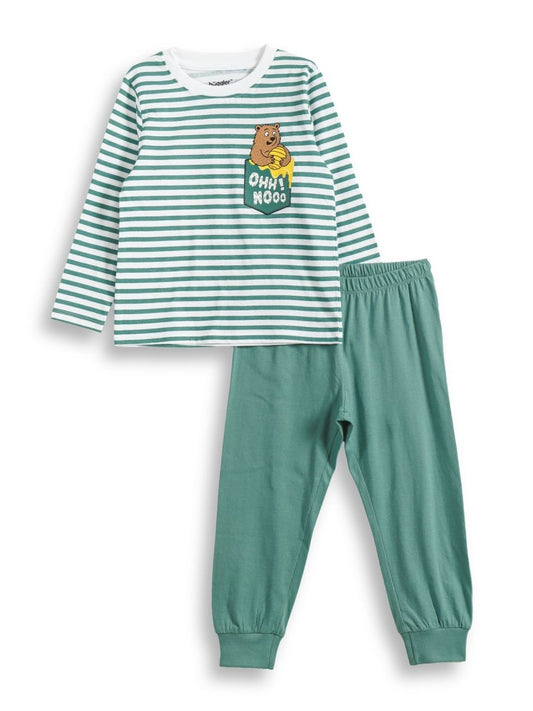
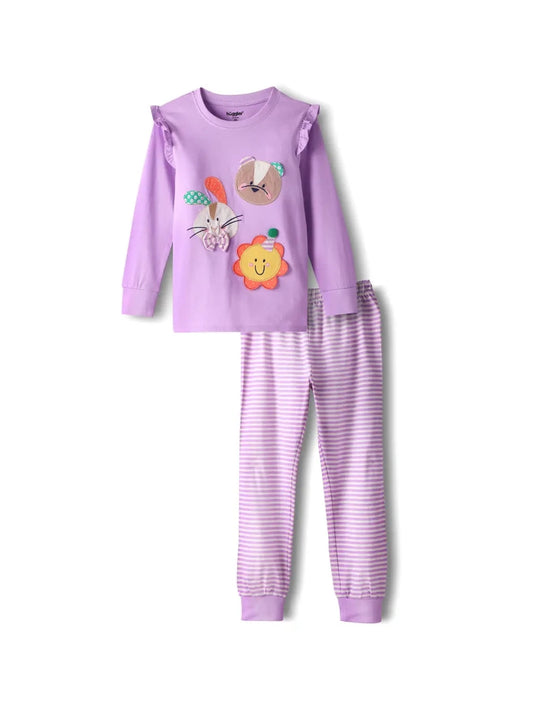
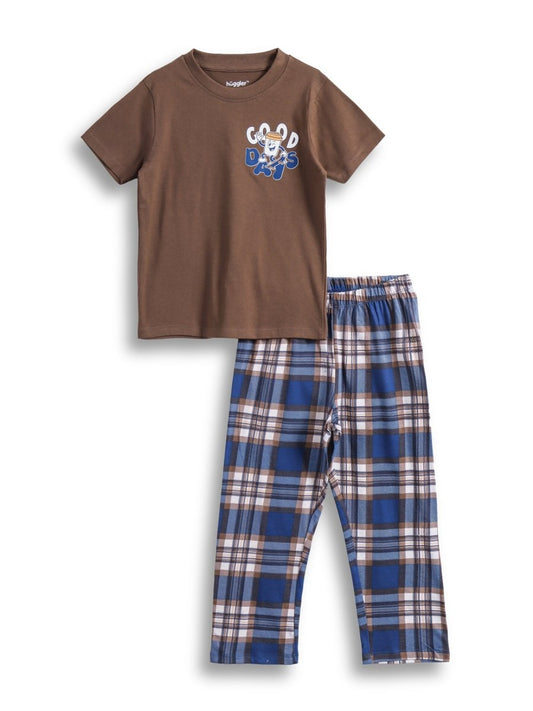
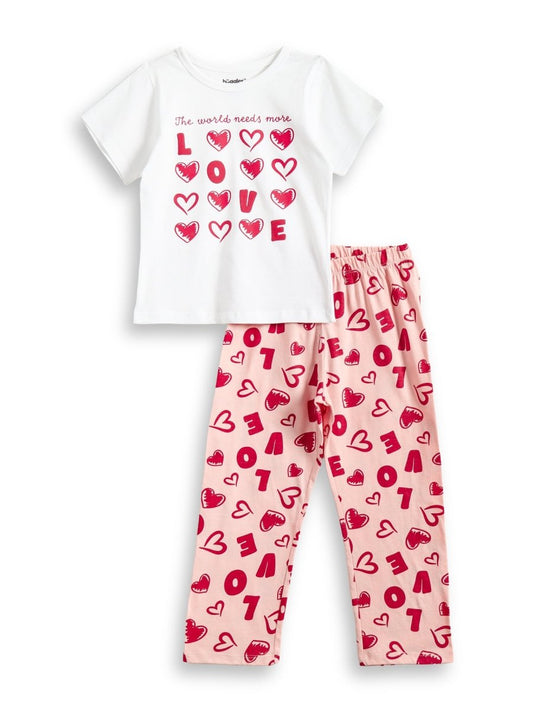
Ready-matched shorts sets shine here, since each one is a full outfit in a single spot.
Keep the sorting logic simple enough that the rest of the family can follow it too. A system only you understand does not last.
🌅 How do I set it up so mornings are easier?
Put the most-worn clothes at kid height, on low shelves, in low drawers or on a low rail.
Keep special-occasion and off-season pieces up high, out of daily reach.
Let your child dress themselves from the low zone. Fewer choices there means faster, calmer mornings.
Lay out tomorrow's outfit the night before for school days, and the rush disappears.
Picture labels on drawers help pre-readers find and refile their own clothes, which keeps the system going.
| Zone | What goes here | Height |
|---|---|---|
| Daily grab zone | Everyday tops, bottoms, sets | Low, at kid height |
| Bedtime drawer | Night suits and vests | Low, near the bed |
| Good clothes | Party and visit outfits | Mid or high |
| Off-season / outgrown | Wrong-season, next-size pieces | High or boxed away |
📦 How do I store off-season and outgrown clothes?
Keep the daily wardrobe to the current season only, so it never feels crowded.
Box the off-season pieces with a clear label and store them up high or under the bed.
Bag the next size up separately, ready to swap in when your child grows.
Wash and fully dry everything before storing, so it comes out fresh and free of stains that could set.
Add the size on each box in big letters. Future you will thank present you when it is time to bring the next stage out.
Store soft cotton loosely, not crushed. Packed too tight for months, even good breathable cotton creases hard and takes longer to settle.
👕 Should I fold or hang kids' clothes?
Fold most everyday pieces, and hang only the few that crease or need to stay smart.
Fold tops upright in rows, standing like files, so your child sees every one without digging.
Hang party outfits and structured pieces to keep them ready to wear.
Roll socks and small items into a divided drawer or a few small boxes so they stop wandering.
Low rails and open shelves beat deep, tall cupboards for little ones, since a child can only use what they can see and reach.
💤 Where do night suits and play clothes go?
Give night suits their own low drawer near the bed, so bedtime is a one-step job.
Keep everyday play clothes in the main grab zone, since they are worn most.
Park the "good clothes" a little out of reach, so they are not grabbed for the park by mistake.
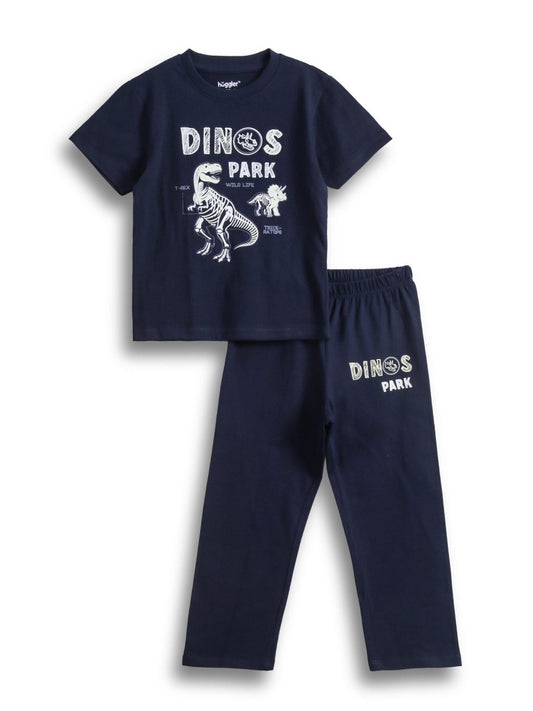
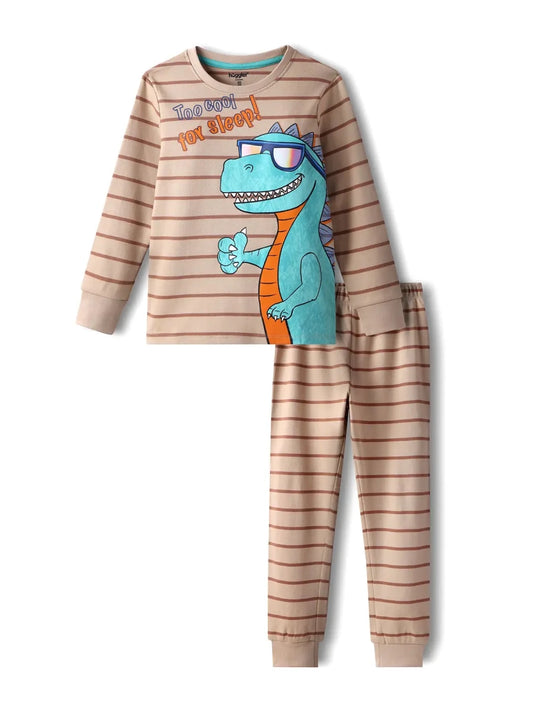
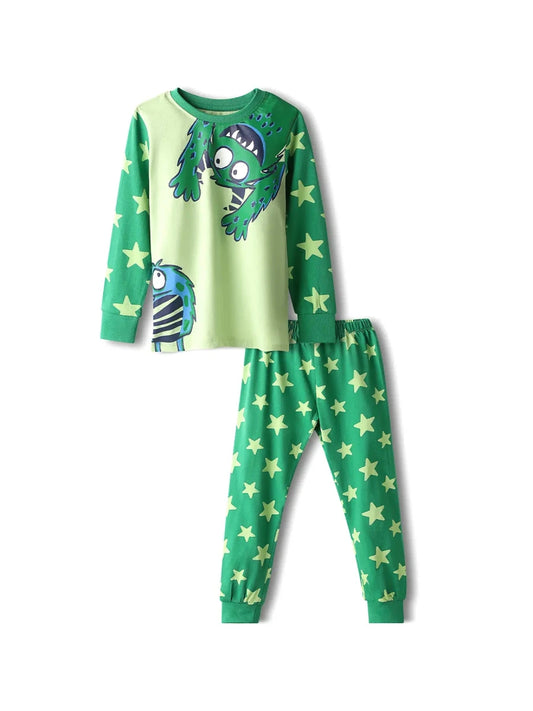
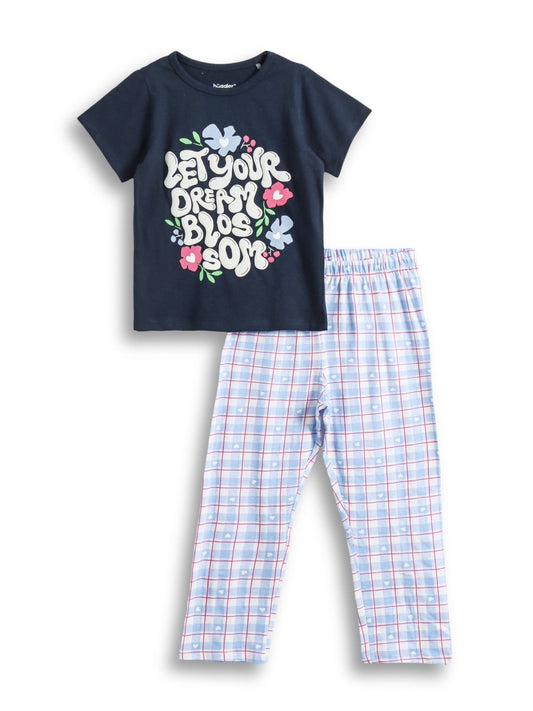
Set the sleep drawer up in one go with our soft cotton night suits, sorted by season.
Anchor tall drawers and wardrobes to the wall before you put a low grab zone in reach. A curious climber and an unsecured unit are a real hazard.
🔁 How do I keep the wardrobe organised?
Do a quick five-minute reset each week, putting stray clothes back in their zones.
Run a bigger sort each season, when you swap the off-season boxes anyway.
Fold laundry straight back into its zones, so nothing piles up on a chair for days.
Check fit at every swap, since a season is often long enough for a growth spurt. Our size guide makes the next size an easy call.
🧒 How do I get kids to keep it tidy?
Make it easy first, since a child keeps a wardrobe tidy only when putting clothes away is simple.
Use open baskets and low shelves rather than fiddly hangers for the daily zone.
Give each type of clothing one obvious home, so there is no guessing where a tee goes.
Turn the weekly reset into a two-minute game they help with, not a chore you do alone.
Let them pick tomorrow's outfit from the low zone the night before, since ownership makes tidying feel less like a rule.
Praise the effort, not the perfection, and the habit slowly sticks.
Keep the daily choices small, as a packed drawer is the fastest way to undo all your sorting.
Everyday clothes low and few, special clothes high and separate. Get those two right and the wardrobe mostly runs itself.
- Declutter. Keep only what fits now, box or pass on the rest.
- Sort. Group by category, or by ready-made outfit for little ones.
- Zone. Daily clothes at kid height, special and off-season up high.
- Maintain. A weekly reset and a seasonal swap keep it tidy.
Four steps from a messy wardrobe to calmer mornings.
💬 FAQ
How do I organise a kids' wardrobe for easy mornings?
Put the most-worn clothes low, at your child's height, and keep only the current season in the daily zone.
Should I sort kids' clothes by type or by outfit?
By type for older kids, by ready-made outfit for younger ones. Full outfits in one spot speed up dressing.
What is the best way to store outgrown clothes?
Wash, dry fully, then box with a clear size label and store away from the daily wardrobe, up high or under the bed.
Is it better to fold or hang kids' clothes?
Fold most everyday pieces upright in rows so each is visible, and hang only party or crease-prone outfits.
A calm wardrobe starts with clothes worth keeping. Fill the daily zone with soft, mixable shorts sets and enough cotton night suits for the week, and mornings get a whole lot easier. 🧺

Written by the huggler team
The designers and parents behind huggler — soft, 100% cotton kidswear with original in-house prints, made in Tirupur and worn by 20,000+ Indian families. We write these guides from what we make and what our customers ask us. About huggler
From huggler
Shop kids' cotton night suits
Soft, pre-washed 100% cotton night suits in age-based sizes, made in Tirupur.
Also useful: Size guide · Fabric guide · FAQ · All parent guides