What Should Kids Wear to Sleep? A Season-by-Season Answer
- Kids should sleep in soft, breathable cotton that matches the room, not the season on the calendar.
- Summer: one light, airy layer. Winter: a warmer full-sleeve set.
- For babies, keep it fitted and skip loose, hooded or drawstring clothes.
- The right sleepwear helps kids fall asleep faster and wake less.
Kids should wear soft, breathable cotton sized to the room temperature: one light layer on warm nights and a warmer full-sleeve set when it is cold. The goal is simple, not too hot, not too cold, and nothing that pinches or tangles.
The season outside is only half the picture. A fan, an AC, or a closed room can change everything.
Here is a clear, season-by-season answer to what kids should wear to sleep in Indian homes.
🌙 What should kids wear to sleep, in one line?
Dress for the room, not the date. A thermostat and a window tell you more than the month does.
Start with a comfy cotton night suit as the base, then add or drop a layer to match how warm the room feels.
If you are comfortable in the room, your child is usually close to comfortable in one light layer more or less.
Fans, AC and closed windows change the room more than the season does, so let the room lead.
Touch the back of your child's neck an hour after they sleep. Warm and dry is right. Sweaty means one layer too many.
🌞 What should kids wear to sleep in summer?
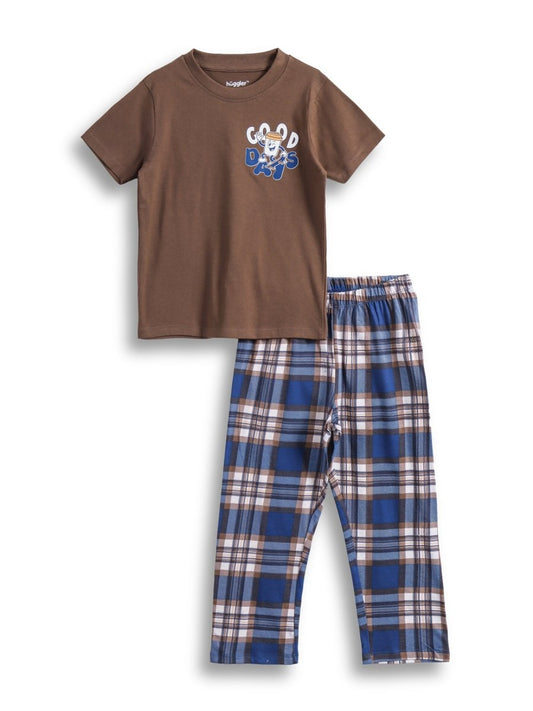
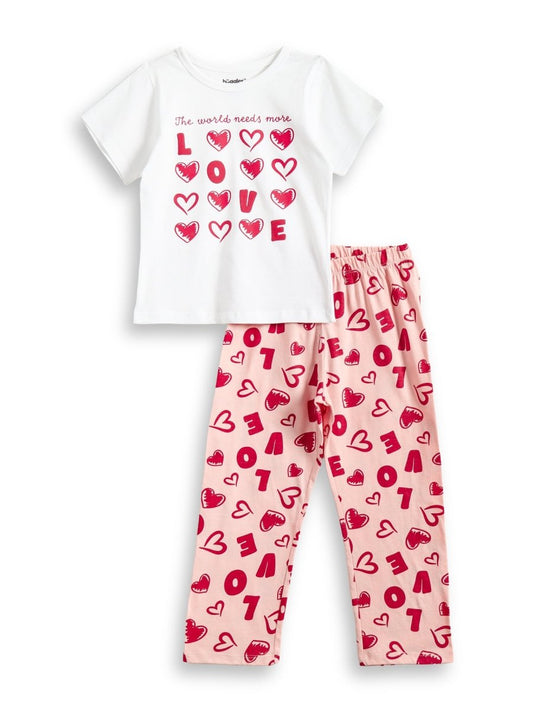
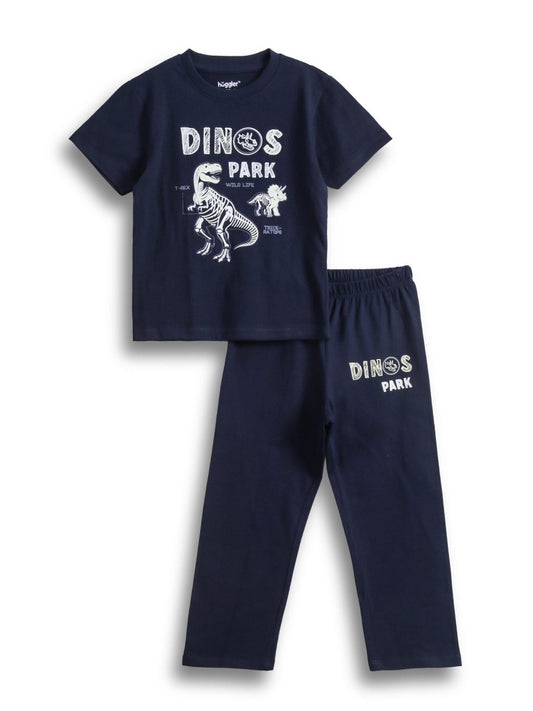
Keep it light and airy. A half-sleeve night suit in thin cotton lets heat escape and fights prickly heat.
Loose shorts and a soft tee work well too on the hottest nights.
Skip synthetic fabrics in summer, as they trap warmth and leave skin sticky.
A thin, half-sleeve cotton set also protects against mosquito bites better than shorts alone.
Bare feet and light bedding help more than stripping them down to nothing, which can leave them chilled if the AC kicks in.
❄️ What should kids wear to sleep in winter?
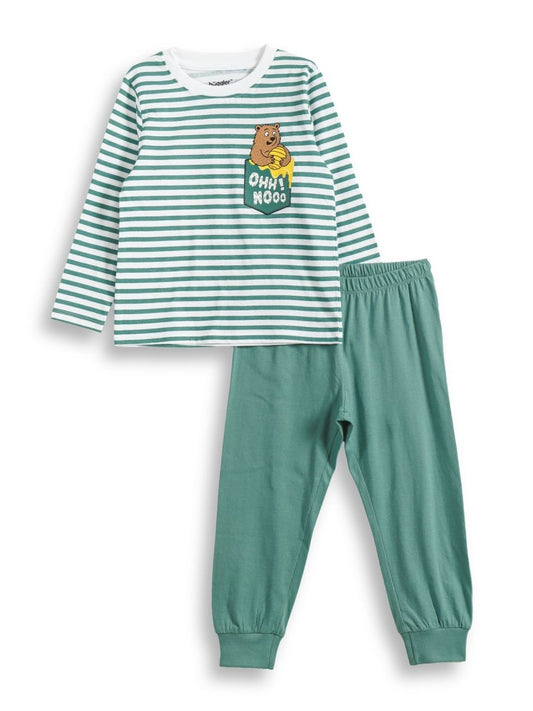
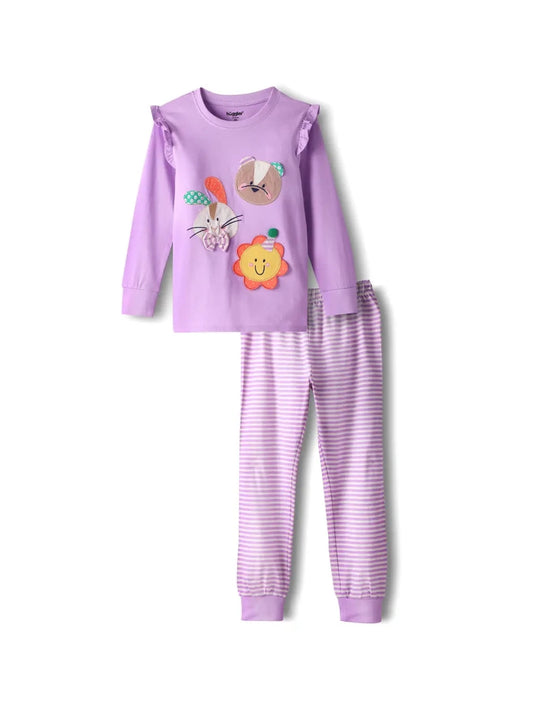
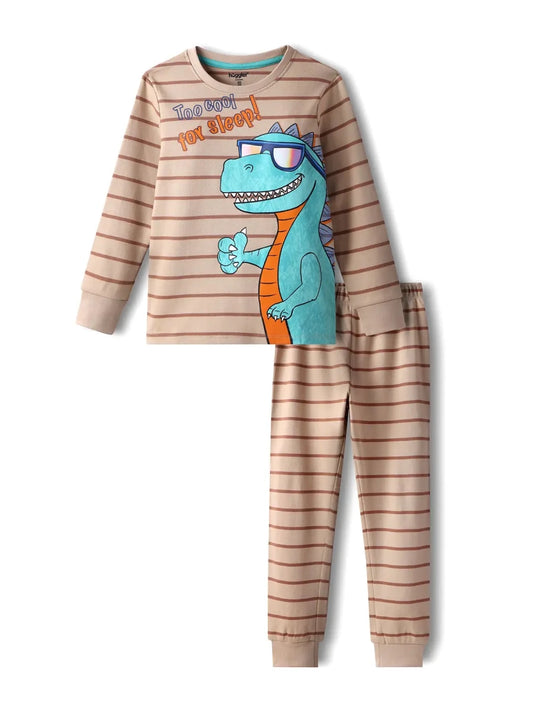
Move to full sleeves and full-length legs in warm cotton. That covers arms and legs without heavy bulk.
On very cold nights, add a light layer under the night suit rather than one thick, stuffy set.
Thin layers you can adjust beat a single heavy one that overheats them by midnight.
Socks help small children who kick off their covers, since little feet lose heat fast.
Cover the arms and legs first, since that is where kids lose warmth once the blanket slips off.
A light cap is fine for babies on cold nights, but never anything loose near the face.
In an AC room, dress for a mild night whatever the season. The room sets the layer, not the weather outside.
🌧️ What about muggy monsoon nights?
Humidity is the tricky one, warm and sticky at the same time.
Stick to breathable cotton that dries fast, so sweat lifts away instead of clinging.
Keep a spare set within reach, since damp nights sometimes mean a mid-night change.
A ceiling fan on low keeps the air moving, which helps sweat lift off the skin.
Skip heavy blankets on humid nights and let a light sheet do the job.
| Night feels like | Best to wear | Avoid |
|---|---|---|
| Hot and dry | Half-sleeve cotton set or shorts + tee | Synthetics, thick fabric |
| Warm and humid | Light, quick-drying cotton | Clingy polyester |
| Cool | Full-sleeve cotton night suit | Overheating layers |
| Cold | Full-sleeve set + light inner layer | One heavy bulky suit |
👶 What should a baby wear to sleep safely?
Keep it simple and fitted. A soft cotton sleep set is enough for most nights.
Avoid loose blankets, hoods, strings and anything oversized for the youngest ones.
Use one light layer more than an adult would wear in the same room, then check they are not overheating.
Babies cannot kick off a layer or tell you they are too warm, so err toward less rather than more.
A sleep bag sized to your baby is a safer swap for a loose blanket.
Check for overheating at the chest or back of the neck, not the hands, which often feel cool.
For babies, skip hoods, drawstrings and loose fabric near the face. Choose fitted, skin-safe cotton sleepwear instead.
🧵 Which fabric is best for kids' sleepwear?
Cotton, almost every time. It is breathable, gentle on skin, and steadies through warm and cool nights.
A breathable fabric is what lets sweat and heat escape, which is the whole point of good sleepwear.
Pre-washed cotton is even better, since it is already soft and shrinks very little.
Young skin is sensitive, so a soft natural fibre close to the body is the kinder pick.
Rough fabrics and scratchy tags are small irritations that feel much bigger at 2am.
📏 Should sleepwear be loose or fitted?
A relaxed fit is best for most kids. It gives room to roll and kick without riding up.
The one exception is babies, where fitted, non-loose sleepwear is the safer choice.
Tight cuffs, waistbands and necklines are the small things that quietly ruin a night's sleep.
Too loose is not the answer either, since baggy fabric bunches and tangles as they turn.
Aim for easy room to move, not a size that swallows them whole.
🎒 Can kids just sleep in their day clothes?
It works in a pinch, but it is not ideal as a habit.
Day clothes often have stiff waistbands, buttons, zips or thick seams that press in when your child lies still for hours.
Dedicated sleepwear is cut looser and softer, with none of those pressure points.
Changing into a night suit also signals bedtime, which helps a child wind down.
Think of it as a small cue that tells the body the day is over.
Day clothes also carry dust and germs from outside, which you would rather keep out of the bed.
A quick change into fresh sleepwear keeps the sheets cleaner too.
💤 Does what kids wear really affect their sleep?
Yes, more than most parents expect. Comfortable, temperature-right clothes mean fewer wake-ups and calmer mornings.
When a child is too hot, too cold, or itchy, their body keeps nudging them awake.
Sweat that cannot escape is a common culprit, which is why a breathable fabric matters so much.
Get the sleepwear right and you remove one of the most common, most fixable reasons kids stir at night.
It will not solve every wake-up, but it takes the easy ones off the table.
Match the fabric and layers to the room, keep it soft, and let a relaxed fit do the rest.
- Read the room. Warm, cool or cold decides everything else.
- Pick the base. A soft cotton night suit for the season.
- Adjust one layer. Add or drop a thin layer to match the room.
- Check at midnight. Neck warm and dry means you got it right.
A four-step routine for dressing any child for sleep, on any night.
💬 FAQ
What should kids wear to sleep in summer in India?
A light, half-sleeve cotton night suit or soft shorts and a tee. Airy cotton beats the heat best.
Is cotton better than fleece for kids' sleepwear?
For most nights, yes. Fleece is only for genuinely cold weather, and can overheat kids otherwise.
What should my child wear to sleep in an AC room?
Dress for a mild night, usually a full-sleeve cotton set, whatever the season outside.
Should toddlers sleep in loose or fitted clothes?
A relaxed fit for toddlers, and fitted, non-loose sleepwear for babies for safe sleep.
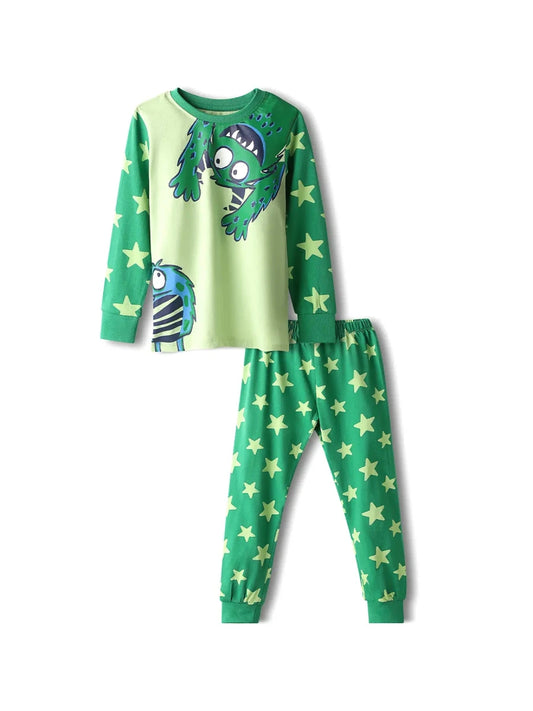
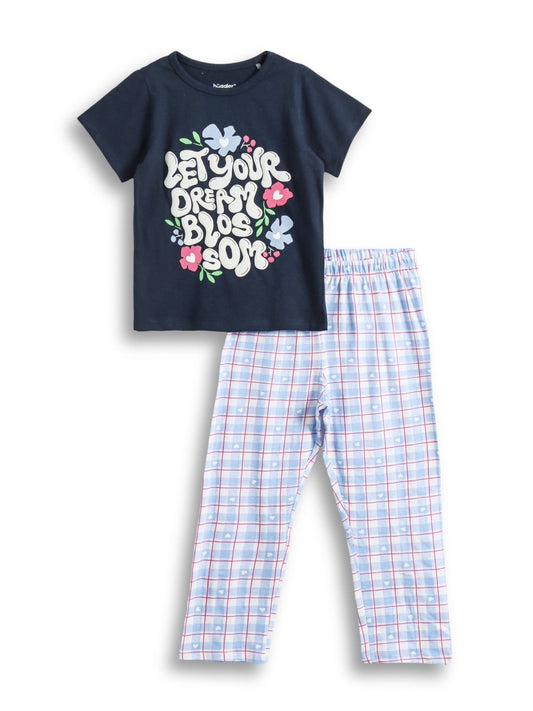
Set your child up for softer, calmer nights with our breathable cotton night suits, sorted into boys' night suits and girls' night suits. Not sure of the fit? Our size guide makes it easy. 💤

Written by the huggler team
The designers and parents behind huggler — soft, 100% cotton kidswear with original in-house prints, made in Tirupur and worn by 20,000+ Indian families. We write these guides from what we make and what our customers ask us. About huggler
From huggler
Shop kids' cotton night suits
Soft, pre-washed 100% cotton night suits in age-based sizes, made in Tirupur.
Also useful: Size guide · Fabric guide · FAQ · All parent guides