Does What Your Child Wears Affect Their Sleep? The Science
- Yes, what kids wear affects their sleep through temperature, comfort and movement.
- The body cools slightly to fall asleep, and breathable cotton supports that.
- Itchy tags and tight fits keep the nervous system alert and cause micro-wakes.
- Soft, roomy sleepwear removes those triggers so sleep runs deeper.
What your child wears does affect their sleep, mainly through body temperature, physical comfort and freedom to move. The wrong fabric traps heat and irritates skin, which nudges a child awake without anyone knowing why.
None of this is guesswork. It follows how the body prepares for and holds onto sleep.
Here is what is actually happening under the sheet.
🔬 Does what kids wear really affect sleep?
It does, and the effect is bigger than most parents think.
Clothing sits against the skin all night, shaping temperature and comfort every hour.
Get it right and a child barely notices they are dressed at all.
Get it wrong and the same child fidgets, kicks and wakes repeatedly.
The link between clothing and sleep quality runs through the body, not just the mood.
Because the effect is physical, a small change to sleepwear can change a whole night.
Parents often overhaul the whole bedtime before checking the simplest thing.
🌡️ How does clothing change body temperature at night?
To fall asleep, the body lets its core temperature drop a little.
To stay asleep, it needs to hold that slightly cooler state.
Breathable cotton lets heat escape and supports that natural cooling.
Heavy or synthetic fabric traps warmth and fights it, so the body keeps stirring.
A child simply cannot cool down properly inside fabric that holds heat in.
Overheating is widely linked to restless, broken sleep in children.
This is why a hot, heavy set can undo an otherwise perfect bedtime routine.
Sleep and body temperature are tied together. Sleepwear that lets a child cool gently is working with the body, not against it.
💧 What role do sweat and moisture play?
A warm child sweats, and damp skin feels uncomfortable fast.
Breathable cotton lets that moisture move away and keeps skin drier.
Synthetics hold sweat against the skin, which turns clammy and wakes a child.
In our hot, humid weather, damp trapped heat also brings prickly heat and itching.
An itchy, prickly patch is enough to pull a light sleeper out of deep sleep.
Dry, cool skin is the quiet base that lets the deeper stages of sleep hold.
Cotton absorbs a little moisture and keeps that clammy feeling at bay.
🤚 Does the feel of fabric reach the brain?
Yes, through the skin's constant stream of signals.
A scratchy tag or stiff seam keeps sending "something is wrong" to an alert brain.
Young children cannot always name it, so they simply squirm and surface from sleep.
Soft, flat seams and smooth fabric remove that steady nudge.
Less input to react to means the nervous system can finally settle.
This matters most for babies and toddlers, who cannot loosen a collar themselves.
An adult would kick off an itchy sock; a small child just wakes and cries.
Many wakings that parents blame on teething, noise or dreams are really just uncomfortable clothes. Check the sleepwear before you change everything else.
🤸 Can tight clothes disturb sleep by limiting movement?
They can. Children move a lot in their sleep, rolling and stretching.
A tight or twisted set restricts that and leads to small waking moments.
A relaxed fit lets a child move freely and settle back without waking fully.
Roomy sleepwear also stops the tugging and adjusting that breaks up a night.
A twisted waistband or a ridden-up top is a common, hidden cause of night waking.
Loose, soft sleepwear moves with a child instead of fighting them.
🧠 Can sleepwear act as a sleep signal?
Putting on pyjamas can become a cue the brain learns to read.
Worn only at night, the same soft night suit tells the body sleep is near.
This is why changing into sleepwear works better than sleeping in day clothes.
The cue is small, but paired with a routine it helps a child wind down.
Over weeks, that repeated cue makes falling asleep quicker and calmer.
Pair the same pyjamas with the same steps and the body learns the pattern fast.
| What the clothing does | Effect on sleep |
|---|---|
| Traps heat (synthetic, heavy) | Overheating, sweating, frequent wakes |
| Breathes (cotton, light) | Stable temperature, deeper sleep |
| Scratches (stiff tag, seam) | Sensory alert, restless squirming |
| Restricts (tight fit) | Limited movement, micro-wakes |
Four ways clothing quietly shapes a night's sleep.
🩳 Is it fine for kids to sleep in day clothes?
Now and then it is fine, but as a habit it works against good sleep.
Day clothes are often stiffer, tighter and less breathable than proper sleepwear.
Jeans, thick joggers and heavy prints trap heat and press on the skin.
Dedicated kids' sleepwear is softer, roomier and made to breathe.
It also carries the bedtime cue that day clothes simply do not.
If a child naps in day clothes, change them into pyjamas for the main night sleep.
🌏 What does this mean for hot Indian nights?
Temperature is the biggest lever in our climate.
Light, breathable cotton keeps a child cool on a hot, humid night.
In an AC room, a light full-sleeve cotton set keeps warmth gentle and even.
A ceiling fan plus light cotton often beats a heavier set in an over-warm room.
Match the layer to the room, and let the fabric do the temperature work.
On the stickiest nights, the thinnest breathable layer wins over any fancy fabric.
How the right fabric turns into a better night, step by step.
If a child sleeps badly, try changing only the sleepwear for a few nights before anything else. It is a cheap, quick test that often solves the mystery.
📅 How soon will better sleepwear help?
Often within a few nights, once the itch and heat are gone.
You may notice quicker settling first, then fewer wakes in the small hours.
Track it simply, noting bedtime, wakes and morning mood for a week.
Give any change that full week, since sleep habits take a little time to reset.
If good sleepwear and a steady routine still do not help, ask your pediatrician.
💛 How does Huggler put this into practice?
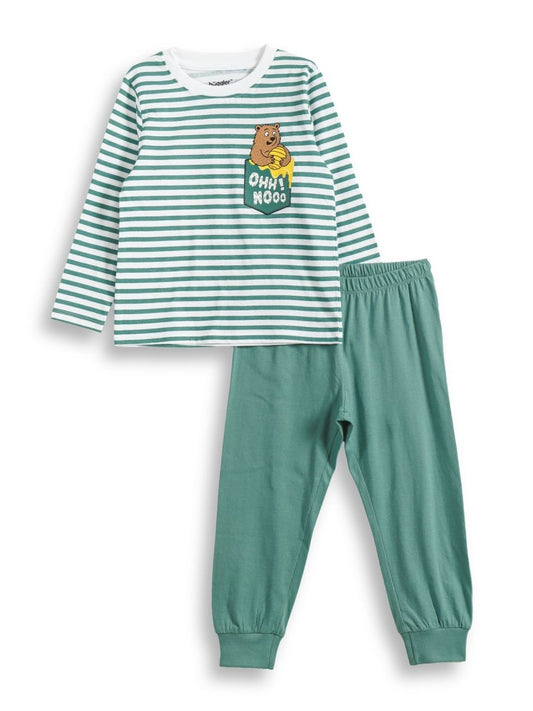
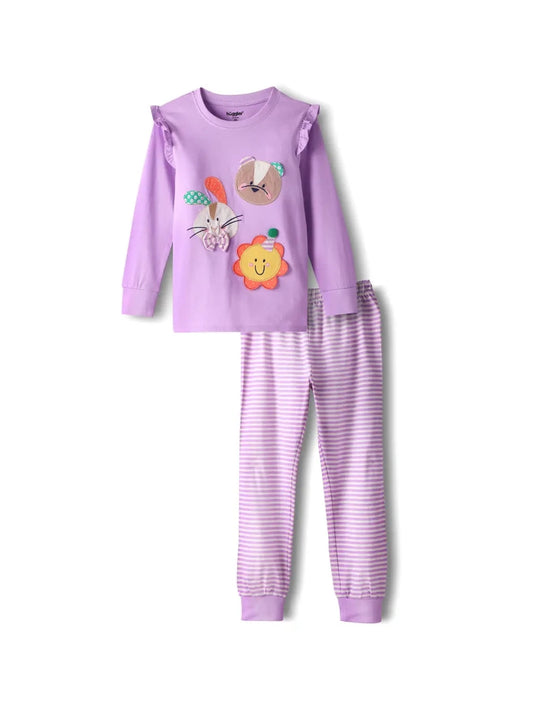
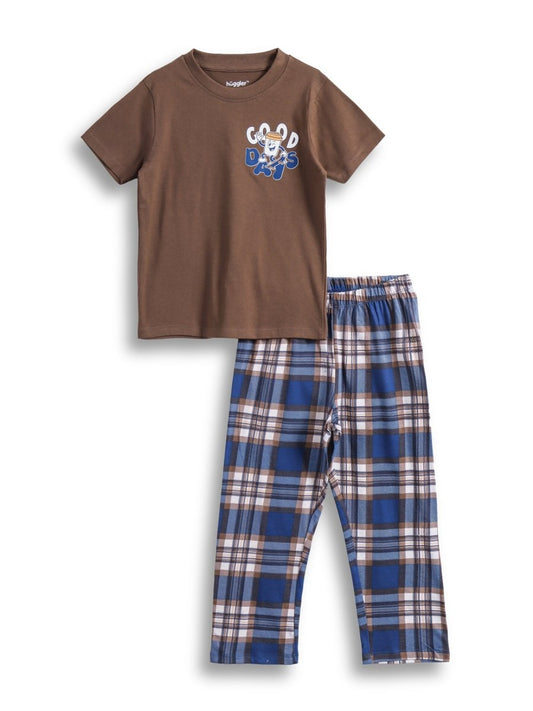
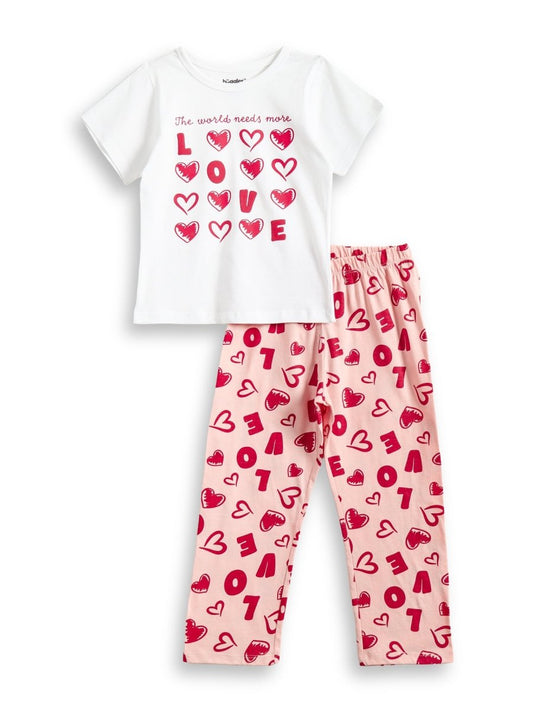
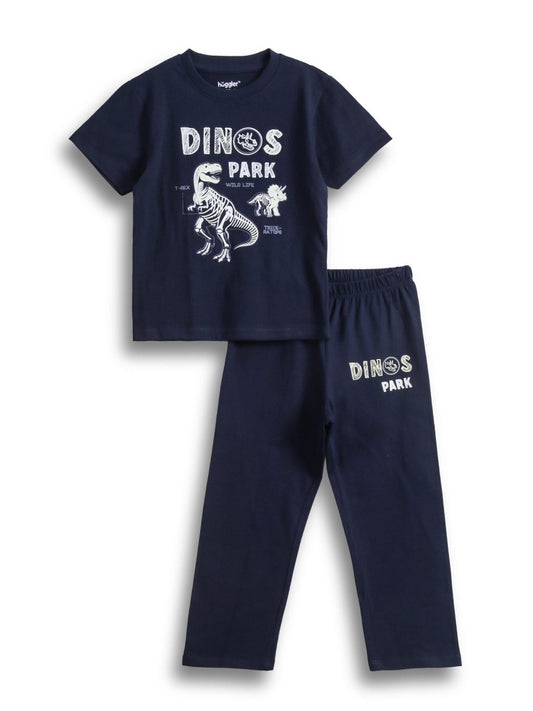
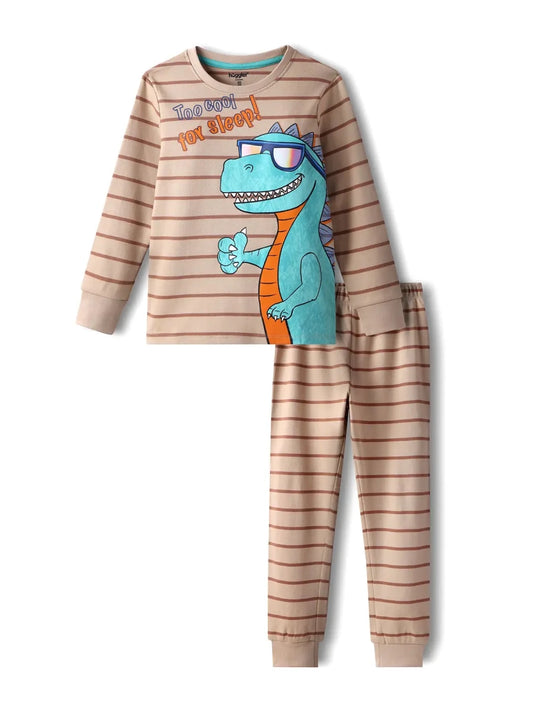
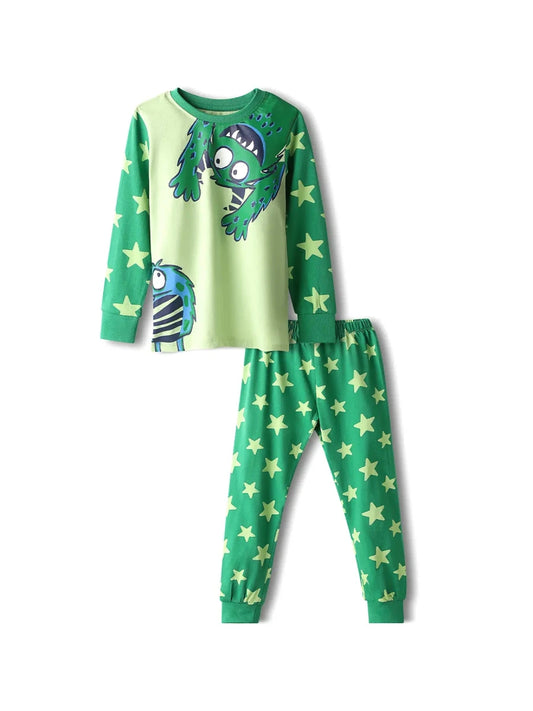
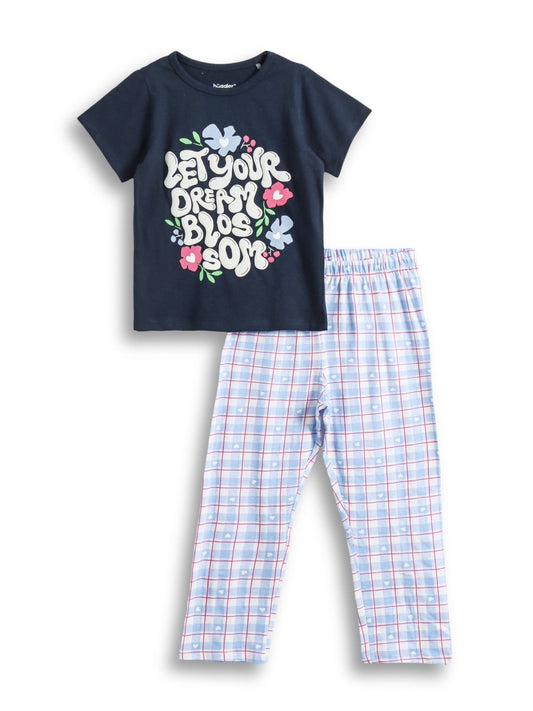
We make soft, pre-washed, skin-safe cotton night suits in a relaxed fit for ages 2 to 10.
Breathable cotton supports natural cooling, and flat seams remove the itch.
Our playful prints stay soft to the touch, so there is nothing stiff to rub at night.
For younger babies, follow your pediatrician's guidance on safe-sleep clothing.
Huggler night suits come in eight sizes from 2-3Y to 9-10Y. A relaxed fit gives the room to move that deeper sleep needs.
💬 FAQ
Does what a child wears really affect their sleep?
Yes, mainly through temperature, comfort and freedom to move. Breathable, well-fitting sleepwear helps a child settle and stay asleep.
Why does breathable fabric help kids sleep?
The body cools slightly to sleep, and breathable cotton lets heat escape to support that. Fabric that traps heat causes sweating and wakes.
Can tight pyjamas cause restless sleep?
They can, by limiting the rolling and stretching kids do in their sleep. A relaxed fit lets them move and settle without fully waking.
Is it better for kids to sleep in pyjamas than day clothes?
Usually yes, as dedicated sleepwear is softer and acts as a bedtime cue. It also tends to be roomier and more breathable than day clothes.
Small choices in sleepwear add up to real rest. Browse our soft cotton night suits for kids, pick lighter shorts sets for warm nights, and check the size guide for the right, roomy fit. 🌙

Written by the huggler team
The designers and parents behind huggler — soft, 100% cotton kidswear with original in-house prints, made in Tirupur and worn by 20,000+ Indian families. We write these guides from what we make and what our customers ask us. About huggler
From huggler
Shop kids' cotton night suits
Soft, pre-washed 100% cotton night suits in age-based sizes, made in Tirupur.
Also useful: Size guide · Fabric guide · FAQ · All parent guides