How to Get Kids to Sleep Faster: A Calm, Screen-Free Routine
- To get kids to sleep faster, keep a calm, same-every-night bedtime routine.
- Turn screens off about an hour before bed and dim the lights.
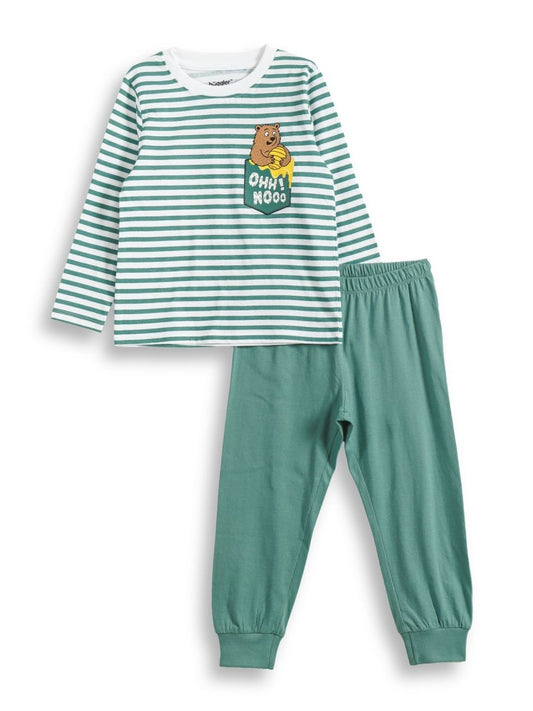
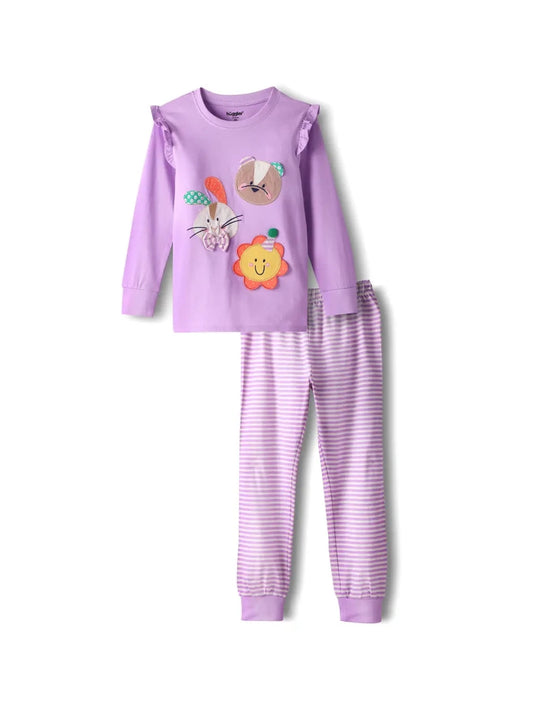
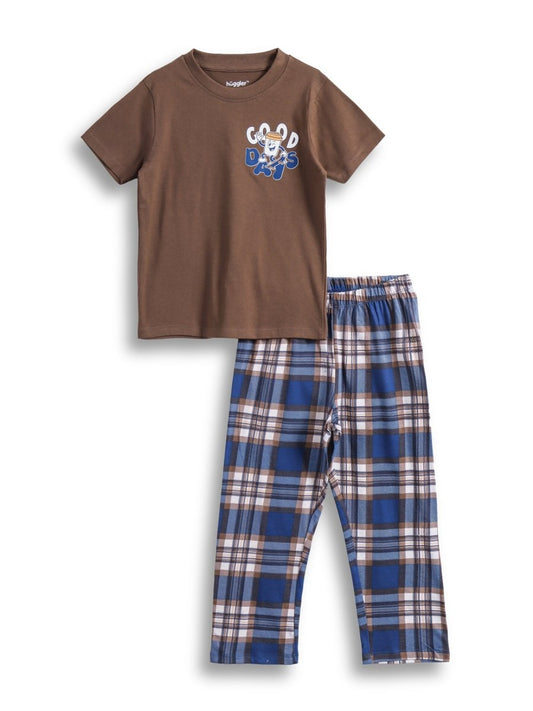
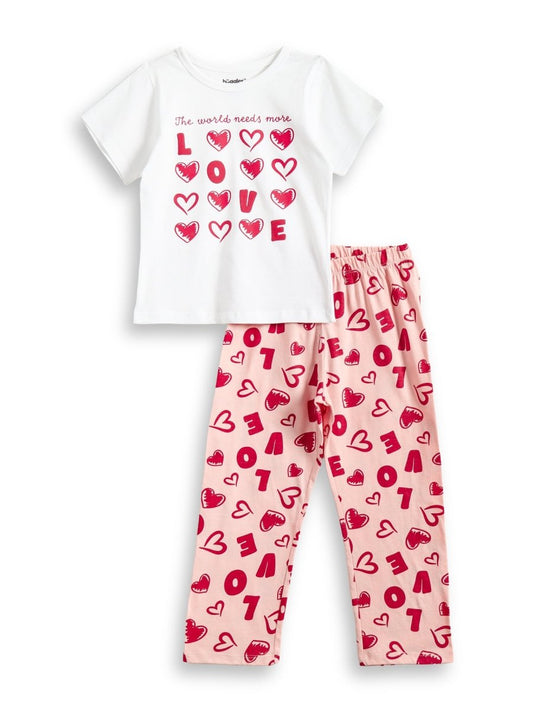
- Make the room cool, dark and quiet, and put them in soft cotton sleepwear.
- Start at the same time each night so the body clock learns the cue.
The fastest way to get kids to sleep is a short, calm, screen-free wind-down that happens the same way every night. A cool dark room and soft cotton sleepwear do the rest.
Sleep is a habit before it is a skill. The more predictable the run-up, the quicker a child lets go.
Here is the wind-down we use, step by step.
- Fixed start. Begin at the same time, roughly an hour before lights out.
- Screens off. Park all phones, tablets and TV for the night.
- Warm bath. A quick bath signals the body to slow down.
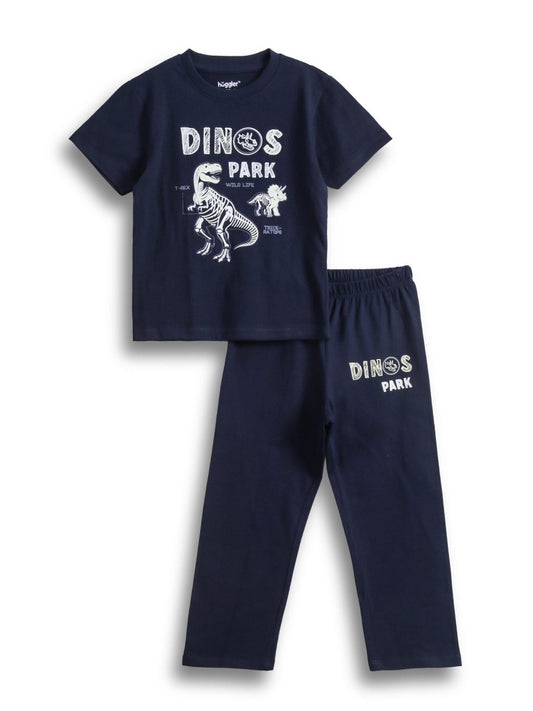
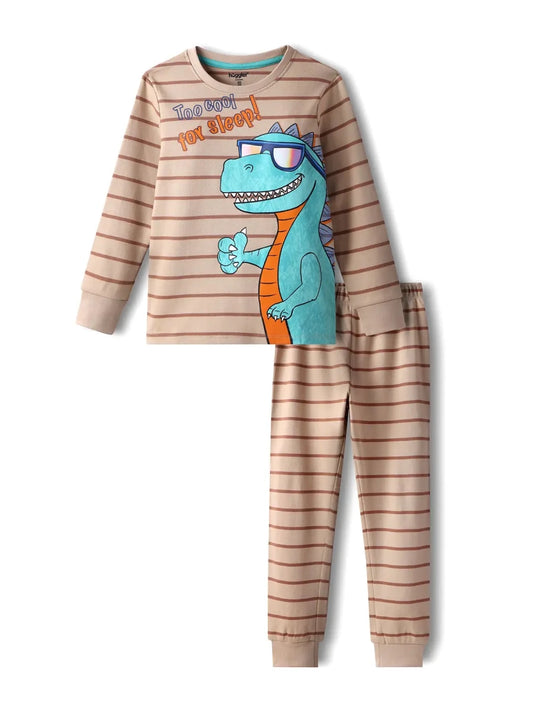
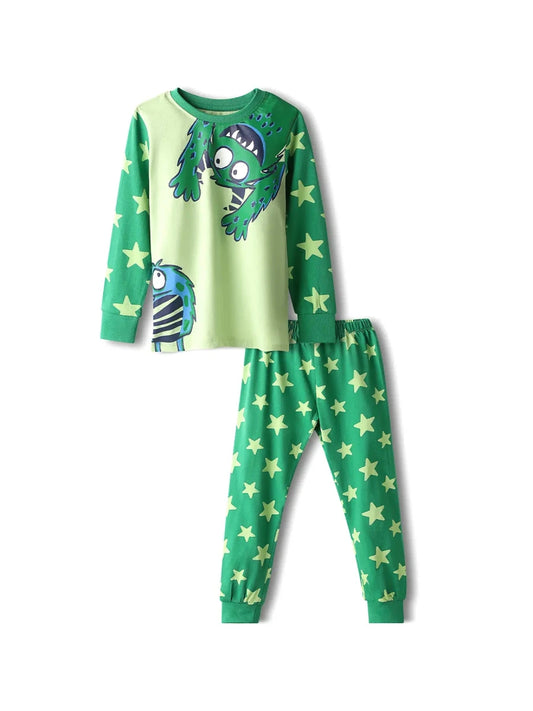
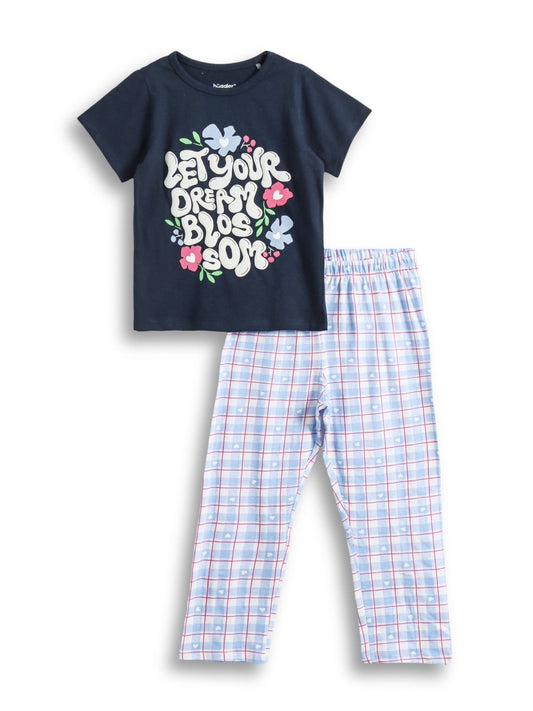
- Into pyjamas. Soft, breathable cotton they find cosy.
- Quiet time. A story or a chat in a dim room, no big play.
- Lights out. Same words, same order, every single night.
A calm wind-down beats any single sleep trick.
🌙 Why won't my child fall asleep quickly?
Usually the body is still switched on when the lights go off.
Late screens, rough-and-tumble play and a hot room all keep a child alert.
A busy mind cannot settle in a few minutes, no matter how tired the body is.
A steady wind-down gives the brain time to shift from day mode to sleep mode.
A skipped nap or a very late one can also leave a child overtired and wired.
Overtired children fight sleep harder, so a slightly earlier bedtime often works better.
A calm, predictable evening is the strongest signal that sleep is coming.
⏰ Does a fixed bedtime really help?
It helps more than almost anything else you can do.
A consistent bedtime trains the body clock, so sleepiness arrives on schedule.
Keep it within about the same half-hour on weekends too, or the clock drifts.
Within a week or two of a steady time, most kids settle noticeably faster.
Watch for the sleepy signs, like eye-rubbing and yawning, and aim for that window.
Same time, same steps, every night. Predictability is the single biggest lever for helping kids fall asleep without a fight.
📵 How long before bed should screens go off?
Aim for about an hour of no screens before lights out.
Bright screen light tells the brain it is still daytime and pushes sleep later.
Fast videos and games also leave a child wired long after the tablet is away.
Swap the screen for a book, a puzzle or a slow chat about the day.
Keep phones and tablets out of the bedroom so late scrolling never starts.
If a show is part of the evening, finish it well before the wind-down begins.
🛁 What does a calm wind-down look like?
Slow, quiet and short, in the same order each night.
A warm bath, then pyjamas, then a story in a dim room works for most families.
Drop your own voice to a softer, slower tone as bedtime nears.
Save exciting games, tickling and big news for the daytime, not the last half-hour.
A calm lead-in is what lets a tired child finally switch off.
Keep the whole routine short, around 30 to 45 minutes, so it does not drag on.
Lay out tomorrow's clothes and pack the school bag before the wind-down starts. A calm parent sets the tone far better than a rushed one.
🌡️ How does the room affect how fast kids sleep?
A cool, dark and quiet room helps a child drop off sooner.
Warm, bright or noisy rooms keep the body on alert and stretch out bedtime.
Small tweaks to the room often work faster than any bedtime lecture.
Blackout curtains help in summer, when it stays light well past bedtime.
| Room factor | What helps sleep |
|---|---|
| Light | Dim during wind-down, dark for sleep |
| Temperature | Comfortably cool, never hot or stuffy |
| Sound | Quiet, or a steady low background hum |
| Clothing | Soft, breathable cotton in a relaxed fit |
Fix the room and half the bedtime battle disappears.
👕 Do comfy clothes help kids fall asleep faster?
Yes, more than most parents expect.
Scratchy tags, tight waistbands and hot fabric keep nudging a child awake.
Soft, breathable cotton lets heat escape so they settle instead of squirming.
A relaxed fit leaves room to roll and kick without waking up tangled.
A comfy night suit is one of the cheapest sleep upgrades you can make.
Match the layer to the season, lighter for summer and warmer for cold nights.
Let your child help pick their sleepwear. A set they chose is one they will happily put on, which makes the whole routine smoother.
🍽️ What about food, water and the last loo trip?
Keep the last meal light and finished well before bed.
Skip sugary snacks and fizzy or caffeinated drinks in the evening.
Offer a small sip of water, then a final trip to the loo just before lights out.
Sorting this early stops the "I'm hungry" and "I need a wee" delays later.
🕯️ Does a night light help or hurt?
A small, warm night light is fine and can ease bedtime fears.
Keep it dim and warm-toned rather than bright or bluish.
Bright white light tells the brain it is daytime and pushes sleep later.
Place it low and away from the bed so it lights the room gently.
If your child sleeps well in the dark, you do not need one at all.
Avoid leaving the big light or a screen on, which keeps the brain alert.
🧸 What if my child keeps getting up?
Walk them back calmly and quietly, with as little fuss as possible.
Keep the response short and boring, so getting up earns no exciting attention.
Stay consistent for a week, and most testing settles down.
Boring and predictable beats a big reaction, which only makes the game worth playing.
Helps them settle
- Same bedtime nightly
- Screens off an hour before
- Cool, dark, quiet room
- Soft cotton sleepwear
Keeps them awake
- Bedtime that shifts around
- Tablet right up to lights out
- Warm, bright, noisy room
- Tight or scratchy clothes
Most sleepless nights come from the right column, not from a "bad sleeper".
If your child snores heavily, gasps, or is always exhausted despite a good routine, talk to your pediatrician. Persistent sleep trouble is worth a proper check.
💛 How does Huggler fit into bedtime?
We make soft, pre-washed, skin-safe cotton night suits in a relaxed fit for ages 2 to 10.
Comfortable sleepwear removes one common reason kids stay awake and wriggly.
Cotton that breathes keeps them from waking hot on a warm Indian night.
A relaxed fit lets them roll and stretch without waking up tangled.
For ages 2 to 10, a soft cotton set makes bedtime a little bit easier.
💬 FAQ
How can I get my child to sleep faster?
Keep the same calm bedtime routine every night and turn screens off about an hour before. A cool, dark room and soft cotton sleepwear help them drop off sooner.
What time should kids go to bed?
Pick a time that lets them get enough sleep for their age, then keep it steady. A consistent bedtime matters more than the exact clock time.
Do screens really keep kids awake?
Yes. Bright screen light and fast content keep the brain alert and push sleep later, so stop screens roughly an hour before bed.
Can uncomfortable pyjamas stop a child sleeping?
They can. Scratchy tags, tight fits or hot fabric keep nudging a child awake, so choose soft, breathable cotton in a relaxed fit.
Set the room right, keep the routine calm, and give them sleepwear they love. Browse our soft cotton night suits for kids, or head straight to boys' night suits and girls' night suits, and check the size guide for the right fit. 🌙

Written by the huggler team
The designers and parents behind huggler — soft, 100% cotton kidswear with original in-house prints, made in Tirupur and worn by 20,000+ Indian families. We write these guides from what we make and what our customers ask us. About huggler
From huggler
Shop kids' cotton night suits
Soft, pre-washed 100% cotton night suits in age-based sizes, made in Tirupur.
Also useful: Size guide · Fabric guide · FAQ · All parent guides