Night Suits for Infants: Safe-Sleep Do's and Don'ts
- For infants, choose soft, breathable cotton sleepwear that fits well, with no hoods, ties or loose fabric.
- Dress your baby for the room, not the season, and watch closely for overheating.
- Keep the sleep area clear and follow your pediatrician's safe-sleep advice.
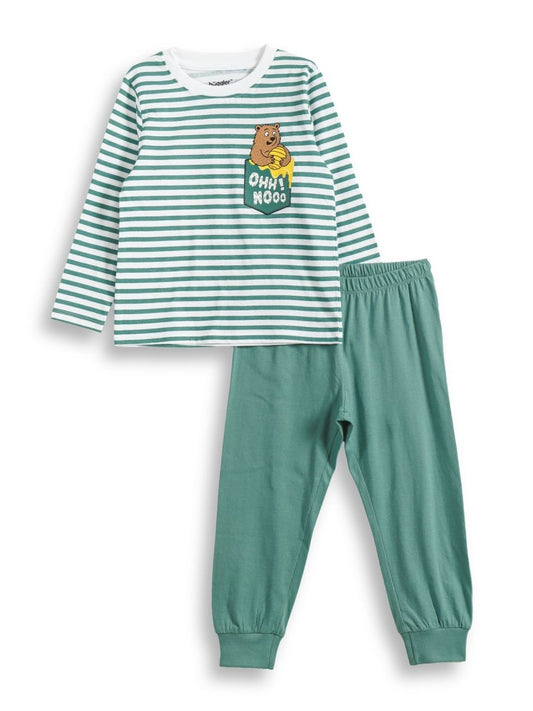
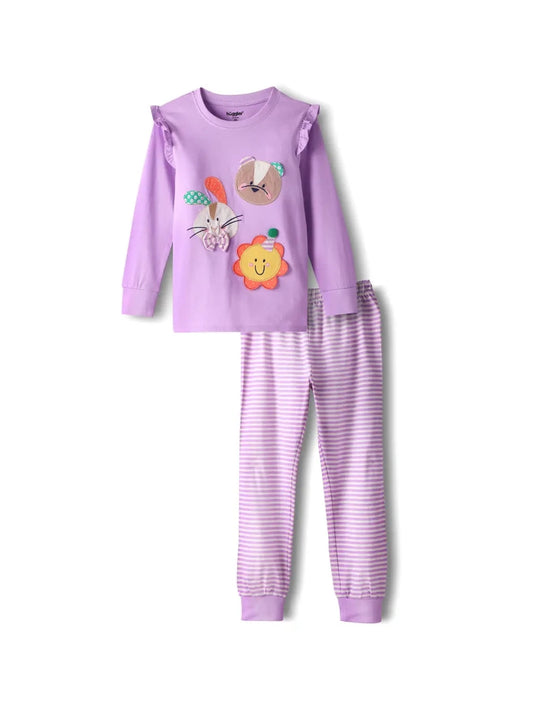
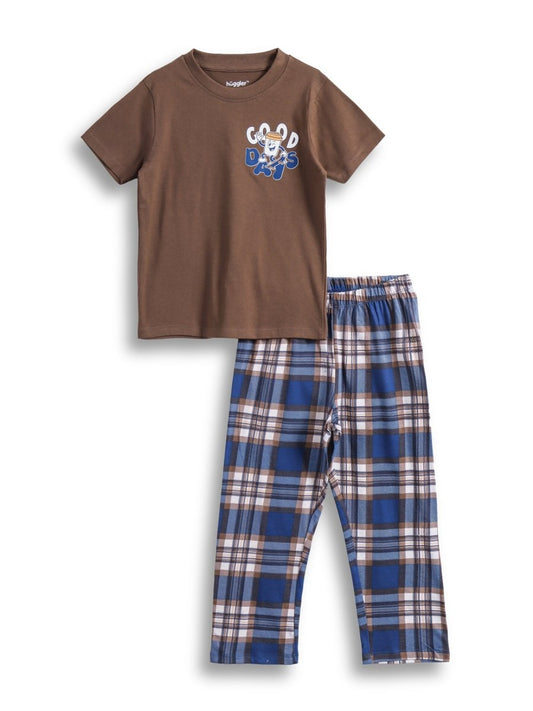
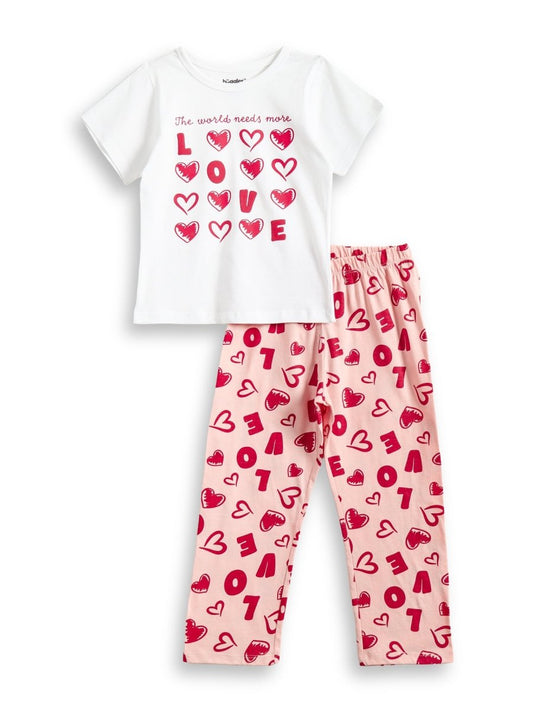
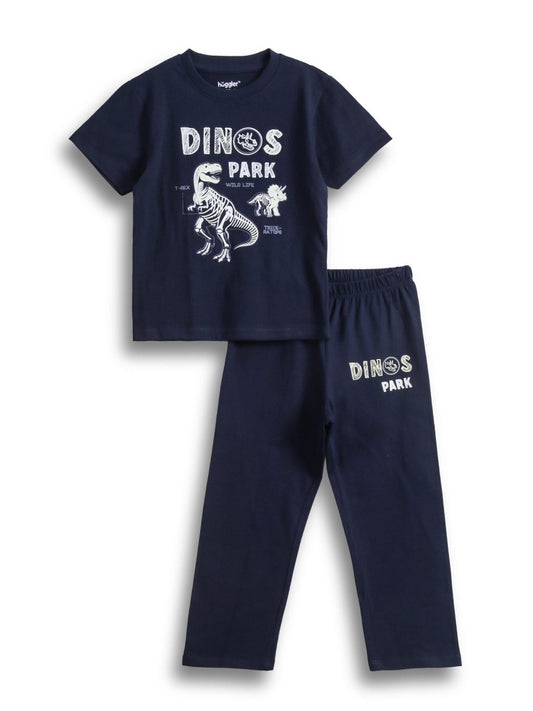
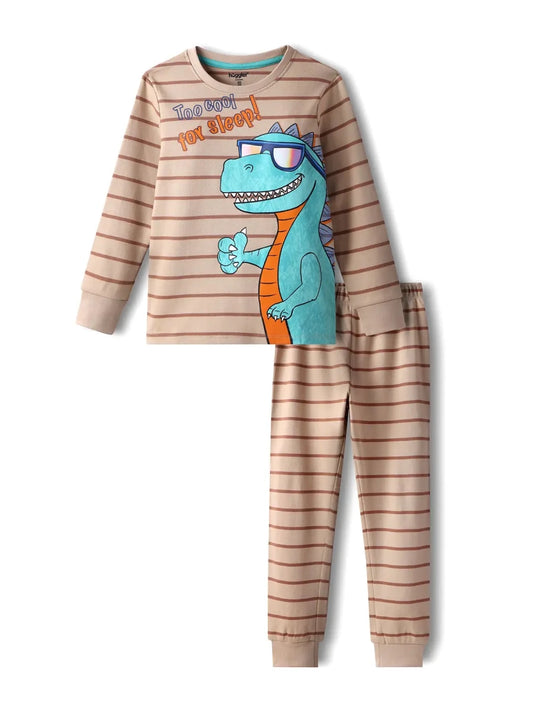
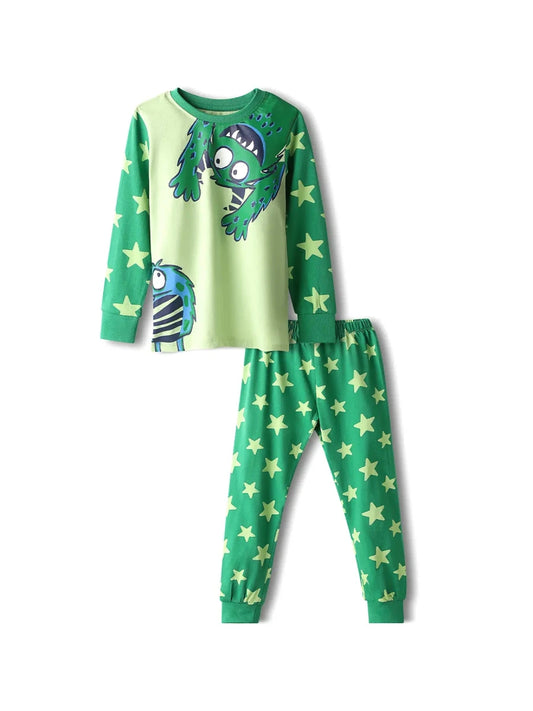
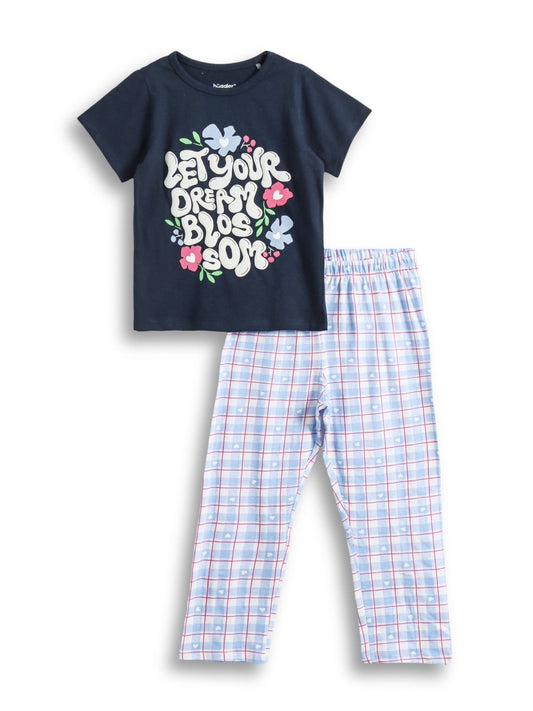
- Huggler cotton night suits begin at 2–3Y, ready for when your baby grows into a toddler.
For infants, the safest night suit is soft, breathable cotton sleepwear that fits snugly enough to stay clear of the face, with no hoods, ties or loose fabric. Comfort and safe sleep matter far more than a fancy print at this age.
Here are the simple do's and don'ts we would follow for a baby's sleepwear, alongside your pediatrician's advice.
None of this is complicated, and most of it quickly becomes second nature within the first few weeks at home.
🌙 What should an infant wear to sleep?
Keep it plain, soft and breathable. A single layer of cotton sleepwear suits most nights, adjusted for the room and the weather.
The goal is to keep your baby comfortable without any loose material that could ride up over the face.
Fabric and fit come first for infants. Style is a distant second.
Every baby is different, so treat this as a starting point and follow your pediatrician for anything specific to your child.
Our Huggler night suits start at 2–3Y, so they are made for toddlers and older kids, not newborns. For infant sleepwear, choose the right baby size, and come back to us when your little one turns two.
🧵 What fabric is safest for an infant night suit?
Soft, breathable cotton is the gentlest choice for a baby's skin.
Cotton lets heat escape and soaks up light sweat, which lowers the chance of your baby overheating on warm Indian nights.
It also feels soft against thin baby skin, with none of the slippery, plasticky feel some synthetics have.
Synthetic fabrics can trap heat and feel clammy, so they are best avoided for infant sleepwear.
Look for flat seams and a soft, tag-light neckline too, since rough labels can irritate delicate skin.
Always wash new sleepwear before the first wear to lift any factory residue and soften the fabric.
✅ What are the safe-sleep do's for infant sleepwear?
A few simple habits cover most of what matters.
Choose skin-safe cotton, dress your baby for the room temperature, and keep the sleep surface firm, flat and clear.
Good safe sleep habits are mostly about breathable fabric, a snug fit and a tidy sleep space.
Put your baby down to sleep on their back, and check the fit so nothing bunches near the face.
🚫 What are the don'ts to avoid?
Some things are worth ruling out completely for young infants.
Skip hoods, drawstrings, loose ribbons and oversized, baggy sleepwear that can shift over the face during the night.
Avoid heavy synthetic sets, and keep loose blankets, pillows and soft toys out of the sleep area, in line with safe-sleep guidance.
Check any buttons or snaps are firmly attached, since small loose parts are a choking risk for babies.
Do
- Soft, breathable cotton
- Snug, well-fitting sleepwear
- Dress for the room temperature
- Clear, firm, flat sleep surface
Don't
- Hoods, ties or drawstrings
- Loose, baggy fabric near the face
- Thick synthetic sets
- Loose blankets or toys in the sleep area
A quick do's and don'ts for infant sleepwear, to use with your pediatrician's advice.
Overheating is a serious risk for infants. If the back of the neck or chest feels hot or sweaty, remove a layer straight away.
🌡️ How warm should my infant be at night?
Aim for comfortable, not cosy-hot. A good rule is to dress your baby in about one light layer more than you would wear yourself in the same room.
Keep the room temperature comfortably cool, and adjust layers rather than reaching for a thicker, sealed suit.
In an AC room, a light cotton layer is often just right; on a warm, humid night, even less may be needed.
When in doubt, lean cooler. It is easier to add a light layer than to spot overheating too late.
| Room feels | Suggested infant layer | Watch for |
|---|---|---|
| Warm and humid | Single light cotton layer | Sweaty neck, flushed cheeks |
| Comfortable | Light cotton sleepwear | Hands and feet slightly cool is normal |
| Cool (AC or winter) | Cotton base plus a light layer | Overheating if over-bundled |
❄️ How do I dress an infant for a winter night?
Layer with breathable cotton, and add warmth gradually rather than all at once.
Start with a soft cotton sleepwear base, then add one light layer only if the room is genuinely cold.
For warmth, a well-fitting sleep sack sized for your baby is generally safer than a loose blanket.
Match the sack's weight to the room, and go lighter than you think for an AC or heated space.
Even in winter, keep checking for overheating, since a heated room can warm up more than you expect.
📏 How should an infant night suit fit?
Snug and comfortable, never loose and never tight. Loose fabric can ride up, and tight fabric can dig in.
Check the cuffs, waist and neckline so nothing pinches or bunches.
Babies grow fast, so review the fit every few weeks and move up a size before the current one gets tight.
As your child grows past two, our age-based sizes from 2–3Y to 9–10Y make it easy to keep a comfy, relaxed fit. See the size guide when you get there.
Feel the back of your baby's neck, not the hands, to judge warmth. Hands and feet often run a little cool even when your baby is perfectly comfortable.
🧺 How do I wash an infant night suit before first wear?
A gentle first wash makes new sleepwear softer and cleaner.
Use a mild detergent, wash in cool or warm water, and dry in the shade to protect the fabric.
A fragrance-free detergent is kinder to sensitive baby skin.
- Wash first. Always launder new sleepwear before the first wear.
- Go mild. Use a gentle detergent, and skip strong bleach.
- Rinse well. A thorough rinse removes any detergent residue.
- Dry in shade. This protects the fabric and any print.
A simple routine that keeps infant sleepwear soft and gentle on the skin.
👶 When can my child move to a two-piece night suit?
Most children move to a two-piece night suit around the toddler years, once they are up, about and potty training.
A two-piece cotton night suit is roomier and quicker at loo time, which suits busy toddlers who want to do things themselves.
That is exactly the stage our night suits are built for, in soft, pre-washed cotton and playful, non-licensed prints.
There is no rush, though. Follow your child's own pace, and switch when they are ready, not by a fixed date.
For infants, safe sleep comes first: breathable cotton, a good fit, a clear sleep area and your pediatrician's guidance. The pretty prints can wait.
💬 FAQ
What should an infant wear to sleep in summer?
A single light layer of breathable cotton is usually enough. Watch for a sweaty neck and remove a layer if your baby feels hot.
Are night suits with hoods safe for infants?
No. Skip hoods, drawstrings and loose ties for young infants, as they add risk near the face and neck.
Does Huggler make infant night suits?
Our sizes start at 2–3Y, so they suit toddlers and older kids. For newborns, choose baby-sized cotton sleepwear and return to us at age two.
How do I stop my baby overheating at night?
Dress for the room, use breathable cotton, and check the back of the neck. If it feels hot or damp, take off a layer.
Getting ready for the toddler years? Explore Huggler's soft cotton night suits for girls and boys, made from breathable, skin-safe cotton in eight comfy sizes. Here for every sleepy stage. 💤

Written by the huggler team
The designers and parents behind huggler — soft, 100% cotton kidswear with original in-house prints, made in Tirupur and worn by 20,000+ Indian families. We write these guides from what we make and what our customers ask us. About huggler
From huggler
Shop kids' cotton night suits
Soft, pre-washed 100% cotton night suits in age-based sizes, made in Tirupur.
Also useful: Size guide · Fabric guide · FAQ · All parent guides