Kids' Pajama Sets: How Many Your Child Actually Needs
- Most kids need four to six pajama sets to cover laundry days and messy nights.
- Split the count by season: lighter sets for summer, mid-weight for winter.
- A good set is 100% breathable cotton with flat seams and a gentle waist.
- Buy by age, size up if your child is tall or between sizes.
- Fewer good sets beat a drawer full of sets that fade or itch.
Most children do well with four to six pajama sets in rotation, enough to cover laundry days, spills, and hot nights that need a fresh change. Buy fewer, better cotton sets and rotate them, rather than a big pile you replace every season.
We make kids' sleepwear, and we run our own bedtime laundry too. Here is how to work out the right number for your home.
🌙 What counts as a kids' pajama set?
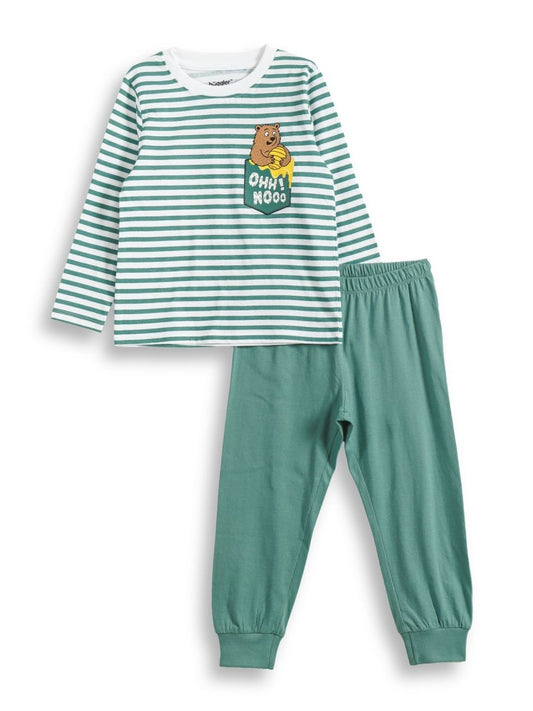
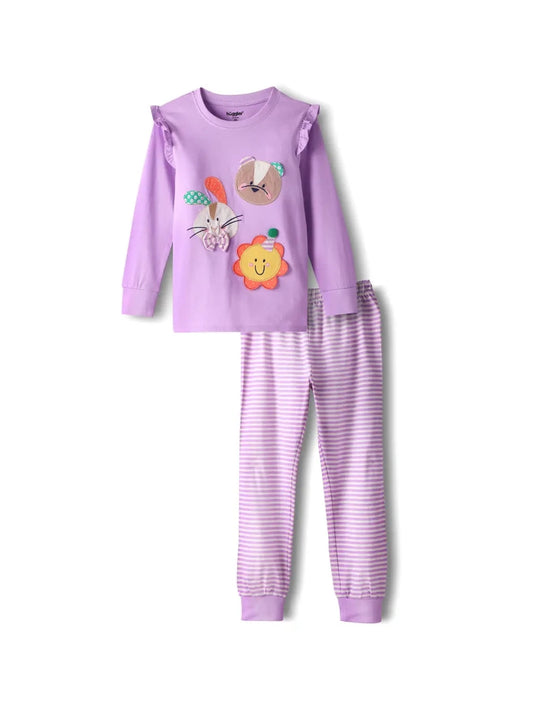
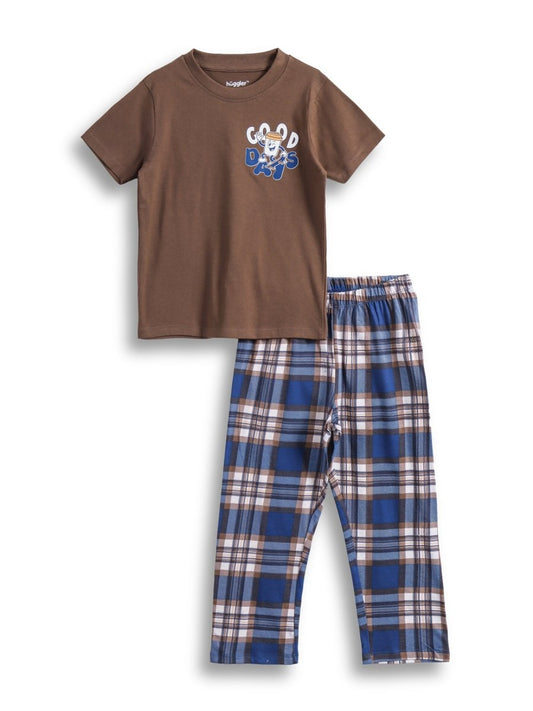
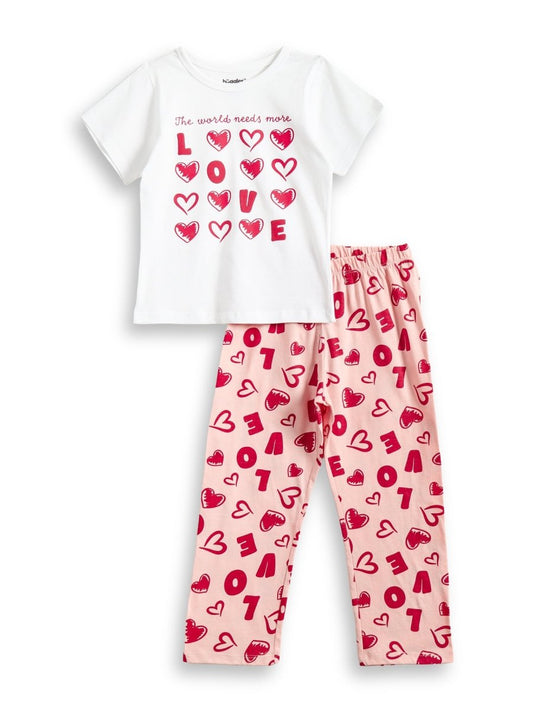
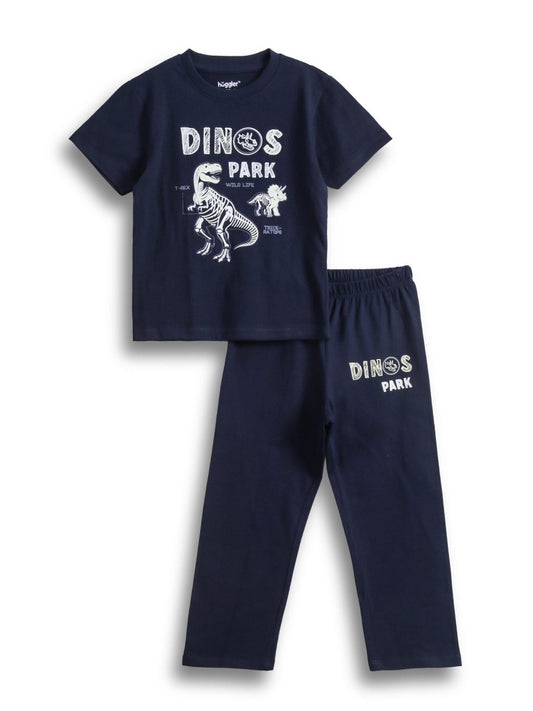
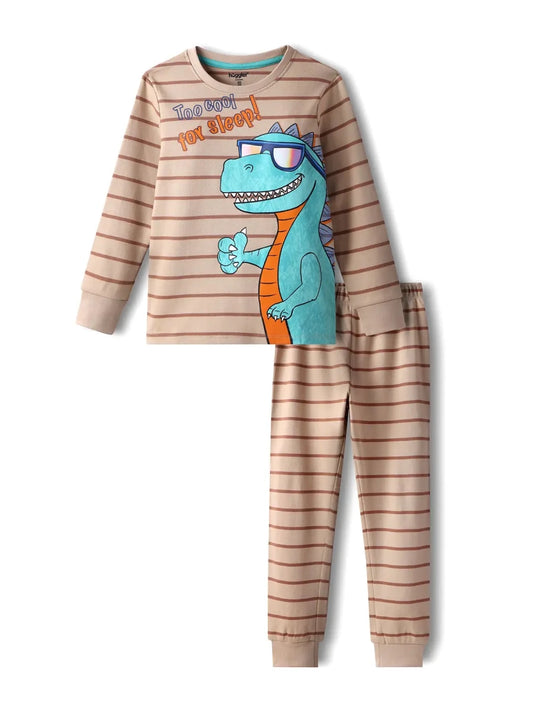
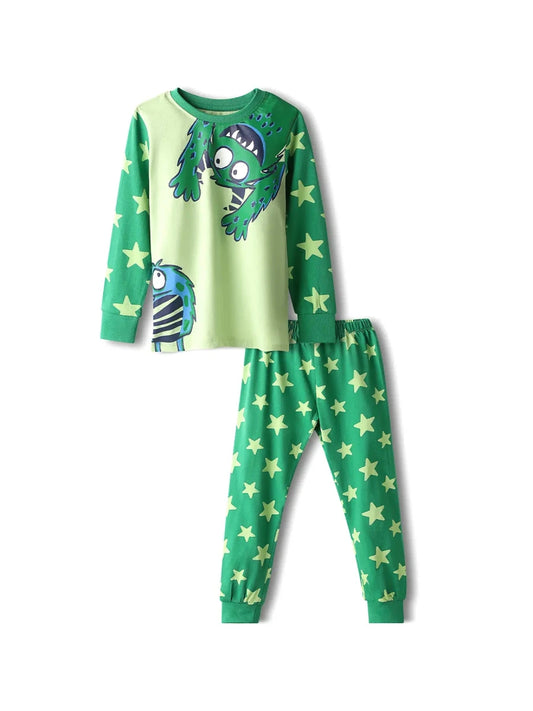
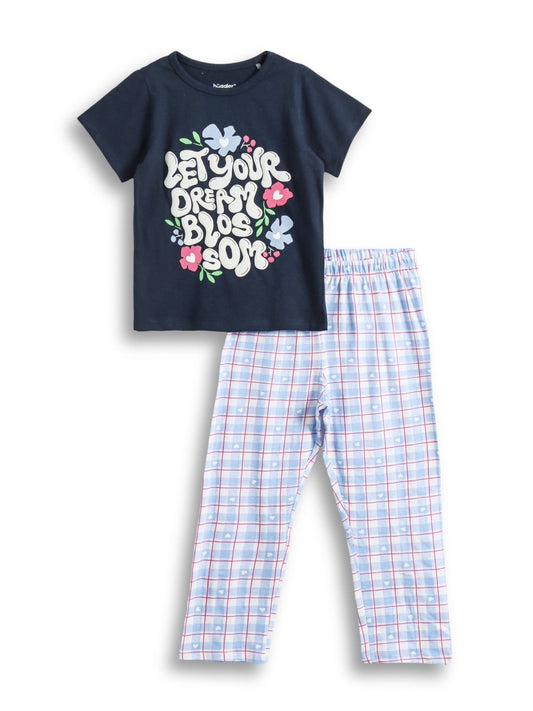
A pajama set is a matched top and bottom made for sleep: a soft tee or full-sleeve top with comfy pants or shorts.
Some sets pair a top with shorts for summer, others with long pants for cooler nights. Both count, as long as the fabric breathes.
A kids' pajama set should be roomier and softer than daywear, because good sleep needs freedom to move.
Two-piece sets also make bathroom trips easier than a one-piece, which matters once a child is out of nappies.
🔢 How many pajama sets does a child need?
Four to six is the sweet spot for most families. That covers the days a set is in the wash and the nights that need a mid-sleep change.
Think in nights, not in a round number. If four nights pass between washes, four sets in rotation keeps you covered with none sitting idle.
Babies need more, often six to eight, because of frequent changes through the day and night. As those changes slow, the count settles toward the four-to-six range.
Count each child separately. Two kids rarely share a rotation well, since laundry and accidents almost never line up.
Keep one older, softer set as the bedtime favourite; kids often settle faster in the pair they know best.
| Your situation | Sets to keep |
|---|---|
| Wash every 2-3 days | 4 sets |
| Wash weekly | 6 sets |
| Baby or toddler (frequent changes) | 6-7 sets |
| Bed-wetting phase | 6-8 sets |
Count backwards from laundry day. However many nights pass between washes, keep that many sets plus one or two spares for accidents.
🌞 How does the season change the count?
Split your sets by weather instead of buying one type for the whole year.
For summer heat, lean on lighter cotton with shorts sets or half-sleeves. For winter, keep mid-weight cotton with full sleeves and long pants.
A simple split is three light sets and three warmer ones, swapped as the season turns. Our shorts sets handle the hot months nicely.
Monsoon slows drying, so keep an extra set or two on hand during the rains. Damp weather means clothes take longer to come back around.
💰 Are more sets or better sets the smarter buy?
Better sets, almost always. A few pieces of durable breathable cotton outlast a big pile of thin, cheap ones.
Cheap sleepwear fades, pills, and loses its shape within a season, so you end up rebuying anyway.
Value is the number of good nights per rupee, not the lowest sticker price.
Good sets also make a practical gift. Pick a size slightly ahead, choose playful prints, and it feels special while still getting used.
🧵 What makes a good pajama set?
Fabric comes first. We start every set with 100% breathable cotton that lets heat escape and keeps skin dry.
Then the finish: flat, soft seams that do not rub, a printed or removable tag, and an elastic waist that holds up without digging in.
Check the top and bottom are the same weight of cotton, so the set wears evenly over time.
Good sets feel the same after ten washes as they did new, and that steadiness is what you are really paying for.
A scratchy tag or a tight waistband is the most common reason a child pulls off their pajamas at 2 a.m. Check both before you buy.
📏 What size pajama set should I buy?
Start with your child's age, then let a relaxed fit do the rest. Sleepwear should never be tight anywhere.
Our sets come in eight age-based sizes from 2-3Y to 9-10Y, covering ages 2 to 10. If your child is tall or between two sizes, size up.
Sizing up a little also stretches the life of each set, giving room to grow before it is outgrown. Our size guide lists exact measurements so you can match by height, not guesswork.
🧦 What else belongs in a sleep drawer?
Alongside the sets, keep a couple of spare bottoms for the nights when only the pants get wet.
A light cotton layer helps on cold nights, and a spare set within reach saves a sleepy midnight hunt.
For travel, roll each set together, top around bottom, and take one more than nights away, since trips bring extra spills and late bedtimes.
🧺 How do I make each set last so I buy fewer?
Care is what turns four sets into a full year of good nights. Wash inside out in cold or warm water on a gentle cycle.
Skip harsh bleach and hot dryers, and dry in the shade. Our sets are pre-washed, so most of the shrinking is already done before they reach you.
Dry each set fully before folding it away. Even slightly damp cotton stored in a drawer can smell musty by morning.
Retire a set when the pants ride short at the ankle, the cotton goes thin, or the waist loses its stretch, and pass gently used ones to a younger sibling.
Treat stains quickly, before they set, so you never need harsh scrubbing that thins the cotton.
A little stretch in the waist and cuffs helps a set stay comfy across a few months of growth.
Rotate sets in order instead of grabbing the top one each night. Even wear means they fade and thin at the same pace, so the whole set retires together.
💤 Building a simple sleep rotation
Here is the easy way to set up a rotation that keeps mornings calm.
- Count your gap. Note how many nights pass between laundry days.
- Add a buffer. Keep that many sets plus one or two for spills and accidents.
- Split by season. Divide the number into lighter and warmer sets.
- Store by weather. Keep the current season in the drawer, the rest packed away.
- Retire together. When a set thins out, replace one or two, not the whole drawer.
A five-step rotation that keeps you buying less, more often.
💬 FAQ
How many pajama sets does a kid need?
Four to six for most families. Keep more for babies, heavy sweaters, or a bed-wetting phase, and fewer if you wash every couple of days.
What fabric is best for kids' pajama sets?
100% breathable cotton. It lets heat escape, keeps skin dry, and holds up well through frequent washing.
Should pajama sets be loose or fitted?
Relaxed, never tight. Room at the tummy, hips, and knees lets kids turn over and sleep freely.
How often should I replace pajama sets?
When they fade, thin, or ride short at the ankle. Rotating sets evenly makes them last a full year or more.
More questions on sizing and care? Our FAQ has the answers.
Ready to build your rotation? Browse our Huggler pajama sets in soft, pre-washed cotton with playful prints kids love. We dispatch in 24 to 48 hours, deliver in 3 to 7 days, offer COD confirmed over WhatsApp, and back every set with a 7-day exchange if the size needs a swap. 💛

Written by the huggler team
The designers and parents behind huggler — soft, 100% cotton kidswear with original in-house prints, made in Tirupur and worn by 20,000+ Indian families. We write these guides from what we make and what our customers ask us. About huggler
From huggler
Shop kids' cotton night suits
Soft, pre-washed 100% cotton night suits in age-based sizes, made in Tirupur.
Also useful: Size guide · Fabric guide · FAQ · All parent guides