Kids' Clothing Size Chart by Age: Stop Guessing the Fit
- A kids' clothing size chart matches age, chest and height to the right size.
- Measure your child, then match the numbers, rather than guessing by age alone.
- Between two sizes? Size up for comfort and a few extra months of wear.
- Age labels vary by brand, so always check the actual measurements.
A kids' clothing size chart matches your child's age, chest and height to the correct size, so you get the fit right the first time. Measure your child, then match those numbers to the chart instead of guessing by age alone.
Two kids the same age can wear very different sizes.
That is why a tape measure beats the number on a birthday card.
Here is how to read a size chart and buy with confidence, online or in a shop.
It removes the two big worries: buying too small, or drowning a child in fabric.
A minute with a tape measure saves a return trip.
It is worth doing before every big order.
- Chest. Measure around the fullest part.
- Height. Measure head to heel, standing straight.
- Waist. Measure at the natural waistline.
- Compare. Match the numbers to the chart.
- Decide. Between sizes, choose the larger one.
Five quick measurements turn guesswork into a confident size choice.
📏 How do I read a kids' clothing size chart?
Most charts list an age band next to chest and height numbers.
The age band is only a starting point, and the measurements are what matter.
Find your child's chest and height, then read across to the matching size.
If chest and height point to different sizes, follow the larger reading.
For a tall, slim child, height usually decides the best fit.
A good chart makes the whole choice a two-minute job.
Keep the chart open in one tab while you shop in another.
Jot the size next to your child's name so you remember it.
Update it every few months as they grow.
📐 How do I measure my child at home?
You need a soft measuring tape and one minute.
Measure the chest around the fullest part, keeping the tape level and snug, not tight.
Measure height from the top of the head to the heels, standing straight against a wall.
Measure the waist at the natural waistline for bottoms and shorts.
Measure over light clothes, not a bulky layer, for an accurate reading.
Write the numbers down, then match them to the chart.
Redo the measurements every season, since kids change fast.
What fit in summer may be snug by winter.
| Size | Age | Chest (approx) | Height (approx) |
|---|---|---|---|
| 2–3Y | 2 to 3 years | ~53 cm | ~92–98 cm |
| 3–4Y | 3 to 4 years | ~55 cm | ~98–104 cm |
| 4–5Y | 4 to 5 years | ~57 cm | ~104–110 cm |
| 5–6Y | 5 to 6 years | ~59 cm | ~110–116 cm |
| 6–7Y | 6 to 7 years | ~61 cm | ~116–122 cm |
| 7–8Y | 7 to 8 years | ~64 cm | ~122–128 cm |
| 8–9Y | 8 to 9 years | ~67 cm | ~128–134 cm |
| 9–10Y | 9 to 10 years | ~70 cm | ~134–140 cm |
These are general guide figures. For exact numbers, always check our size guide before you buy.
🎂 Should I go by age or by measurements?
By measurements, every time.
Age is a rough hint, but children grow at their own pace.
One five-year-old may need a 4–5Y, another a 6–7Y.
The chest and height numbers never lie the way an age tag can.
When they disagree, trust the tape measure over the birthday.
This one habit prevents most fit surprises.
It is the single best way to shop for a growing child.
Numbers travel across brands, birthdays do not.
Measure chest and height, then match the chart. Never buy by age alone, because kids the same age vary a lot.
↕️ What if my child is between two sizes?
Size up. A slightly roomy fit is comfortable and lasts longer.
A snug size can pinch within weeks as your child grows.
The extra room buys a few more months of wear from every piece.
For sleepwear especially, roomy is better than tight.
A relaxed fit lets kids roll, kick and move freely at night.
Growth spurts come fast. If your child is near the top of a size band, buy the next size up and get more wear from it.
👕 Do sizes differ across clothing types?
A little, yes. A relaxed night suit fits differently from a fitted tee.
For sleepwear, a roomy fit is the goal, so lean towards comfort.
For bottoms and shorts, the waist and length matter most.
Always read the chart for that specific product, not a general one.
Check length for tall kids, since limbs often outgrow chest size.
Sleeves and hems are the first place a growing child looks outgrown.
If the chest fits but the length is short, size up.
A relaxed cut gives a little grace here.
🛒 How do I use a size chart when buying online?
Keep your child's latest measurements saved on your phone.
Open the product's own size chart, not a generic one.
Match your numbers to the chart before you add to cart.
Read reviews for notes on whether a style runs small or large.
A clear size chart and an easy exchange policy make online buying low-risk.
With a 7-day exchange, a near-miss is easy to put right.
That safety net makes trying a new brand simple.
🌞 Does fit change with the season?
The size stays the same, but your choice can flex a little.
For summer, a light, breathable fit keeps kids cool.
For winter, a touch of room lets a thin layer fit underneath.
A relaxed cut works well across both seasons.
Match the fabric to the weather, and let the chart handle the size.
🧵 Why do sizes vary between brands?
Every brand cuts to its own pattern and fit philosophy.
Some run small, some run generous, so labels alone mislead.
This is why measuring at home saves so many returns.
A brand that shares clear chest and height numbers is easy to trust.
Compare your child's numbers to each chart, and the guesswork disappears.
Over time you will learn which brands run small for your child.
Until then, the tape measure is your best guide.
Age labels are not standard across brands. A 5–6Y in one label can differ from another, so always check the real measurements.
💛 How does Huggler sizing work?
We offer eight age-based sizes, from 2–3Y right up to 9–10Y.
Every size is cut in a relaxed fit, so kids have room to move and grow.
Our soft, pre-washed cotton shrinks less, so the size you buy is the size you keep.
If a fit is not right, our 7-day exchange makes swapping simple.
Check the exact numbers in our size guide, and match them to your child.
Buy the right size once, and bedtime is comfy from the very first night.
No pinching and no drowning in fabric, just an easy fit.
For sleep, a relaxed fit beats a snug one. A little room helps kids settle and stay asleep.
💬 FAQ
How do I know my child's clothing size?
Measure chest and height, then match them to the size chart rather than going by age alone.
Should I size up in kids' clothes?
Usually yes, if your child is between sizes. It adds comfort and a few more months of wear.
Are kids' sizes the same across brands?
No. Age labels differ between brands, so always check each one's actual measurements.
What size is a 5-year-old?
Often a 5–6Y, but it depends on chest and height. Measure to be sure.
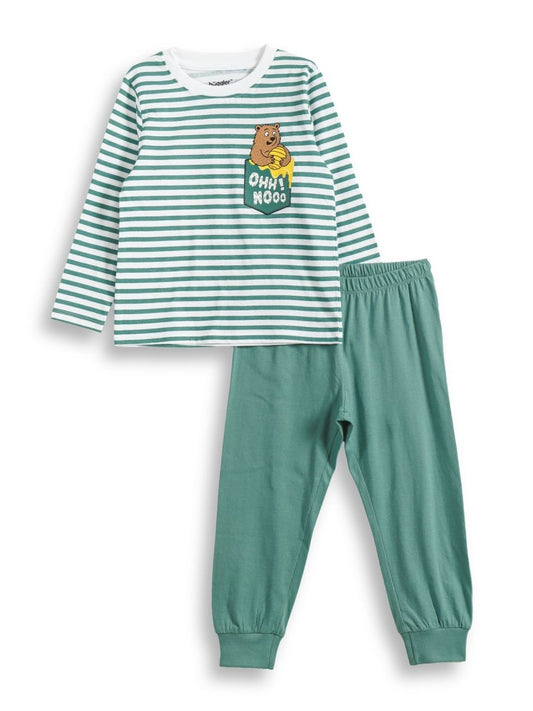
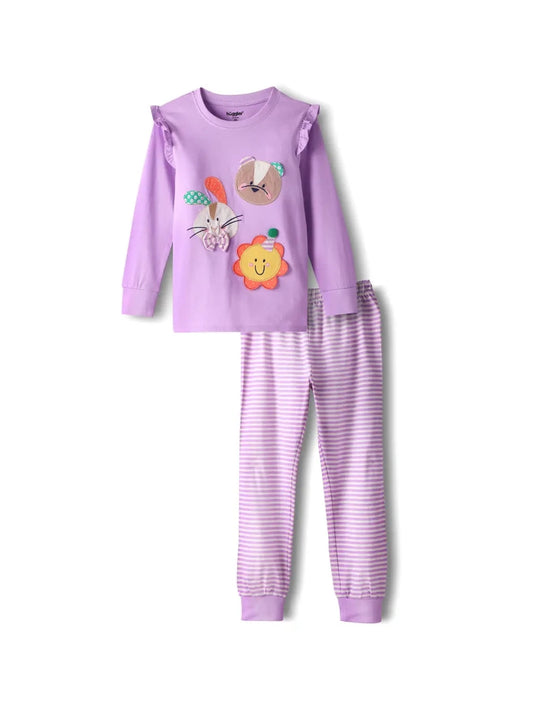
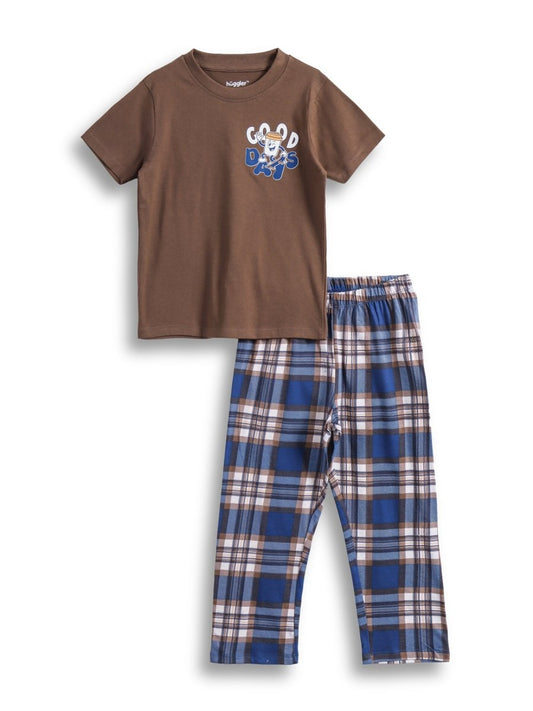
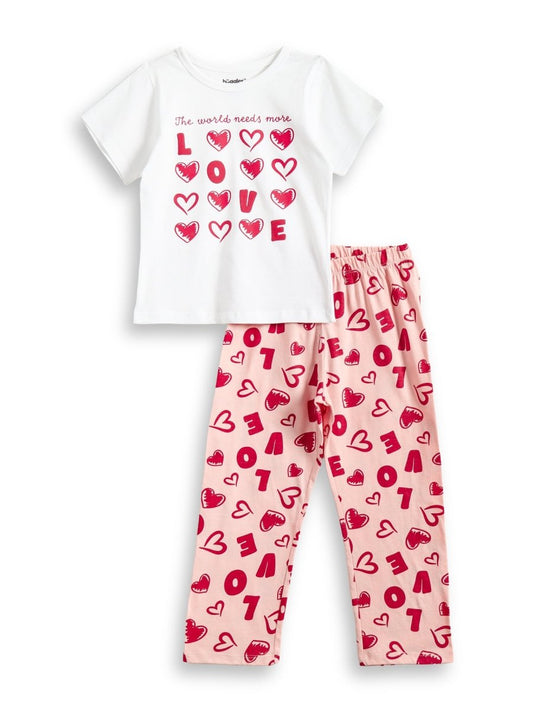
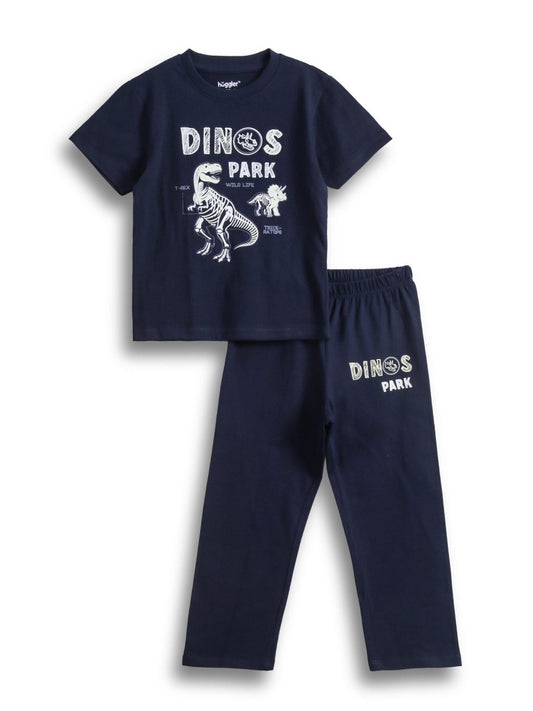
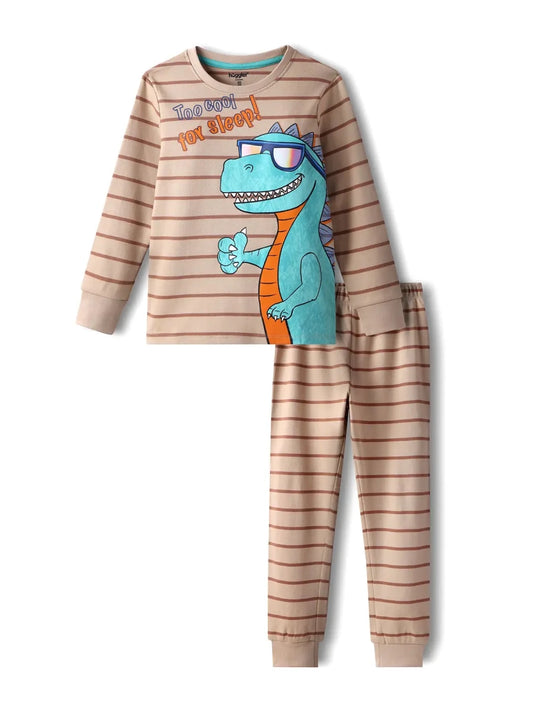
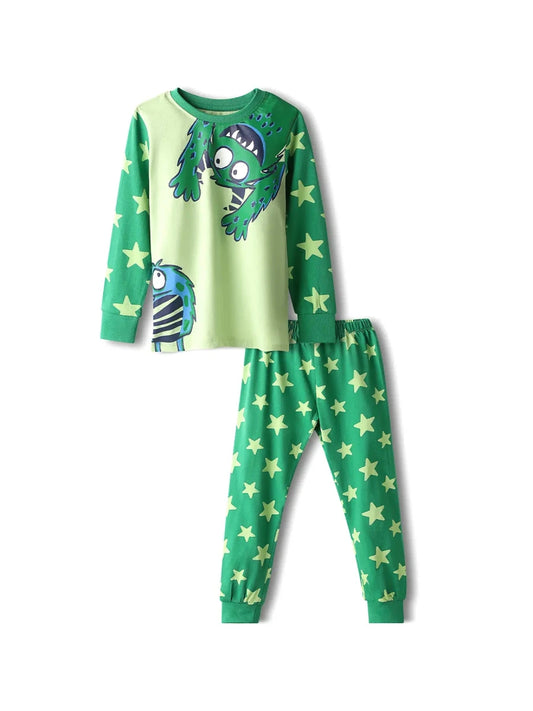
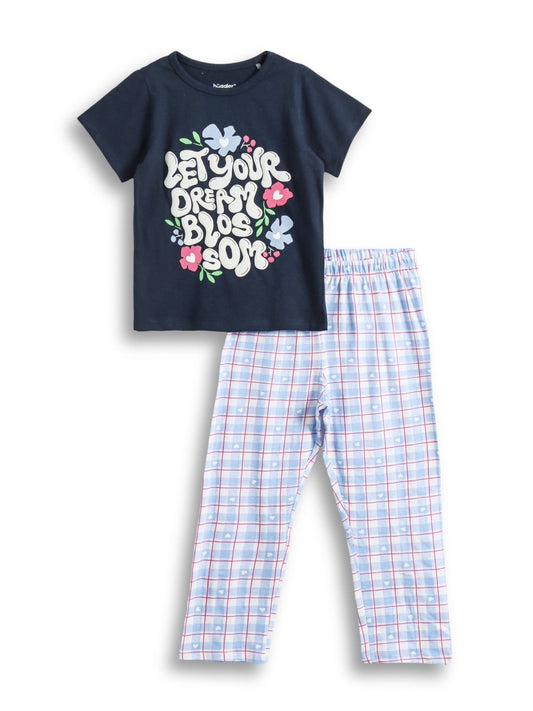
Got your numbers ready? Find the perfect fit in our cotton night suits, girls' night suits and boys' night suits, and confirm sizes with our size guide. 📏

Written by the huggler team
The designers and parents behind huggler — soft, 100% cotton kidswear with original in-house prints, made in Tirupur and worn by 20,000+ Indian families. We write these guides from what we make and what our customers ask us. About huggler
From huggler
See the size guide
Age-based sizes with height ranges, so the fit is right first time.
Also useful: Size guide · Fabric guide · FAQ · All parent guides