How to Measure Your Child for Clothes (Printable Size Chart)
- To measure kids for clothes, you only need three numbers: height, chest and waist.
- Use a soft measuring tape while your child stands relaxed, not puffed up.
- Match those numbers to an age-based size chart, not just the age on the tag.
- Height is the best single guide, so follow it when your child is between sizes.
To measure kids for clothes, take three numbers with a soft tape: height from head to floor, chest around the fullest part, and waist at the natural line. Match those to an age-based size chart and you will pick the right fit far more often than guessing by age alone.
Kids of the same age can be two sizes apart, so the tape beats the birthday every time.
It takes about two minutes, and you only need to redo it every few months.
Here is the simple way we measure, and how to turn those numbers into the right size.
📏 How do I measure my child for clothes at home?
Stand your child against a wall in light clothes, feet flat, and keep the tape soft and level.
Take each number twice and write it down, so a wriggle does not throw off your fit.
Do it in the morning if you can, when a tired, slouchy evening child will not skew the height.
Ask your child to stand tall with heels together and arms relaxed by their sides.
Keep the tape flat against the body, snug enough to stay put but never pulled tight.
- Height. Back to the wall, mark the top of the head, measure to the floor.
- Chest. Wrap the tape around the fullest part, just under the arms.
- Waist. Measure the natural waistline, tape snug but not tight.
- Hips. Around the fullest part of the seat, for shorts and trousers.
- Inside leg. From the crotch down to the ankle, for trouser length.
Five quick measurements that cover almost any kids' garment.
📐 Which measurements actually matter most?
For tops and night suits, chest and height do most of the work.
For bottoms, waist and inside leg matter more, since that is where the fit is felt.
Height is the one number to trust above all when two sizes seem close.
Waist and hips come into play mostly for shorts, trousers and joggers.
You rarely need every number at once, so take the ones the garment actually depends on.
| Measurement | Where to take it | Why it matters |
|---|---|---|
| Height | Head to floor, standing | Best guide to overall size |
| Chest | Fullest part, under the arms | Decides how tops fit |
| Waist | Natural waistline | Keeps bottoms comfy |
| Hips | Fullest part of the seat | Matters for shorts and trousers |
| Inside leg | Crotch to ankle | Sets trouser length |
🧵 What do I need to measure accurately?
A soft cloth or plastic tape is all it takes, the kind used for sewing.
No tape at home? Use a piece of string, then lay it flat against a ruler.
Measure over thin clothes or bare skin, never over a jumper that adds bulk.
Write each number down straight away, because it is easy to forget between measurements.
Keep the tape level all the way around, not tilted, or the number comes out off.
For a squirmy toddler, a second pair of hands makes the whole thing quicker.
Round to the nearest whole centimetre, since perfect precision is not the point here.
Turn it into a game. Let your child hold the tape and call out the numbers, and the whole thing stays fuss-free.
↕️ Height or age: which should I follow?
Follow height and chest over the age on the label, especially for tall or petite kids.
Age tags are a rough starting point, and no two children grow on the same clock.
A tall five-year-old often needs the six-year size, and that is completely normal.
When the numbers point one way and the age points another, trust the numbers.
Do not buy by age alone. The same "5Y" varies a lot between brands, so always check it against a real size chart.
📊 How do I match measurements to a size chart?
Line your child's height and chest up against the chart, then read across to the size.
Our night suits and sets come in eight age-based sizes from 2–3Y to 9–10Y, each a clean step up.
If a number lands between two sizes, go with the larger one for comfort and a little growing room.
Keep your five numbers noted down, or open our size guide beside you while you shop.
🧸 How often should I re-measure my child?
Every three to four months for younger kids, since a growth spurt can arrive quietly.
For older kids, twice a year is usually enough to stay ahead of the fit.
A quick re-measure before a big online order saves you a return later.
Season changes are a natural reminder, so measure when you swap the wardrobe over.
If clothes suddenly look short or snug, that is your cue to measure again.
Keep a note in your phone with the date and the numbers. Next time you shop, you will see exactly how much your child has grown.
👶 How is measuring babies different?
For babies, weight and length matter as much as age, so use both if the chart offers them.
Measure length lying down, from the crown of the head to the heel.
Keep baby sleepwear fitted and breathable, and always lean on the current measurement over the age band.
Measure a wriggly baby while they are calm or sleepy, and take each number twice.
Since babies grow so fast, a fresh measurement beats last month's every time.
🛒 How do I use measurements to shop online?
Read the product's own size chart, not a generic one, and match your numbers to it.
Check whether the fit is relaxed or slim, since that changes which size to pick.
Look for a fair exchange window too, so a near-miss is easy to swap.
With us that means a 7-day exchange, free shipping over ₹1,200, and dispatch in 24–48 hours.
Note the fit description too, since a slim cut and a relaxed cut suit different numbers.
When in doubt between two sizes, order the larger one and roll a cuff if needed.
Real product photos and a clear returns policy are good signs a brand trusts its own fit.
A couple of careful measurements up front save you time, money and a return trip.
💛 How does Huggler size its clothes?
We size by age band, then back it with clear chest and height numbers you can check against your own.
Our fit is relaxed, so kids have room to move and sleep without anything pinching.
We source our cotton from Tirupur, India's knitwear capital, in soft, pre-washed, skin-safe cotton that holds its shape.
Because it is pre-washed, the size you measure for is close to the size you keep.
Three numbers beat one age tag. Measure height, chest and waist, then match them to the chart, not the birthday.
💬 FAQ
How do I measure my child for clothes without a tape?
Use a piece of string around the chest or waist, then measure the string against a ruler.
Should I go by my child's age or measurements?
Measurements. Age tags are only a rough guide, and kids of the same age vary a lot.
What if my child is between two sizes?
Size up. The slightly roomier fit is comfier and buys a few more months of wear.
How often should I re-measure?
Every three to four months for young kids, and about twice a year for older ones.
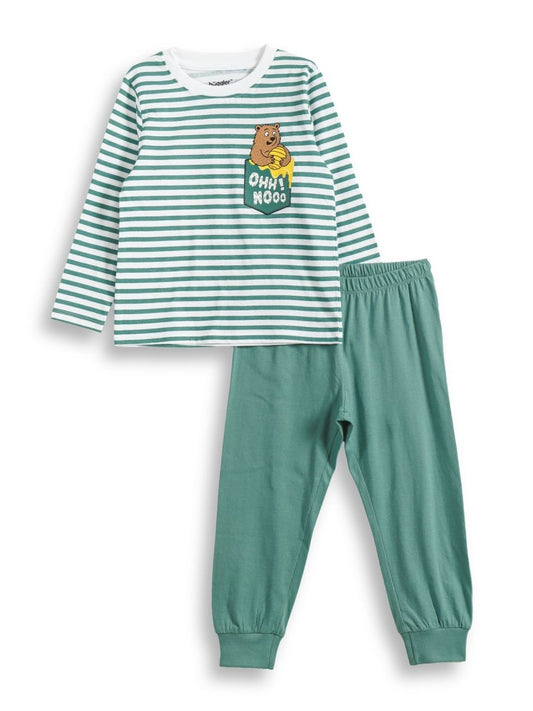
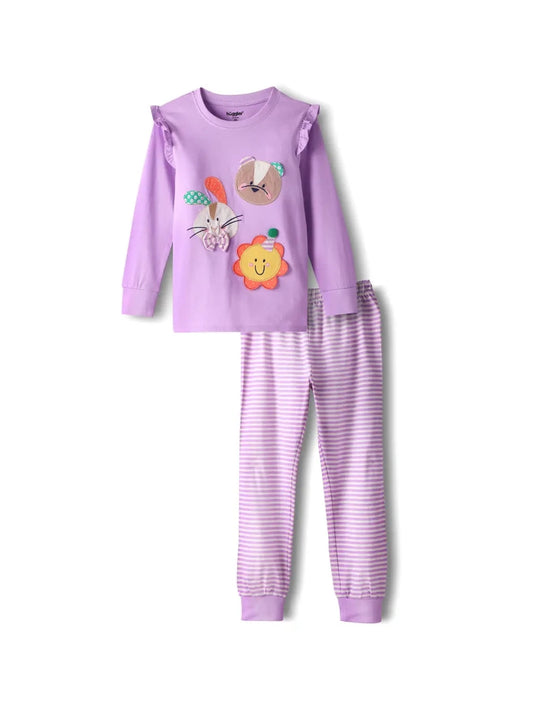
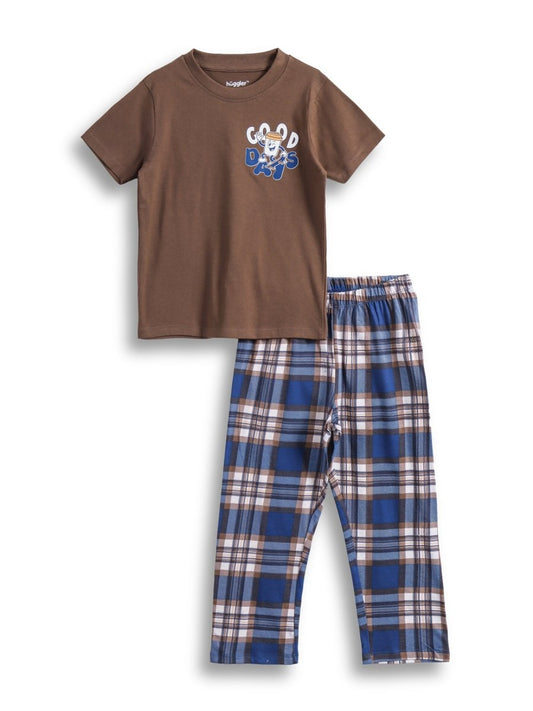
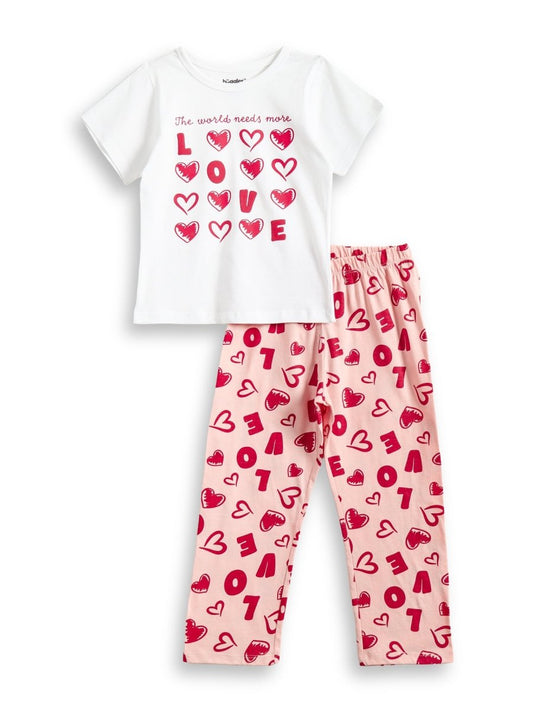
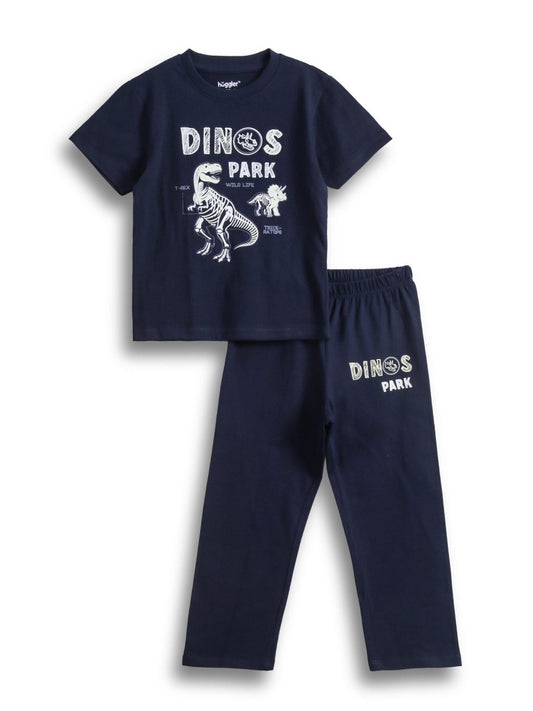
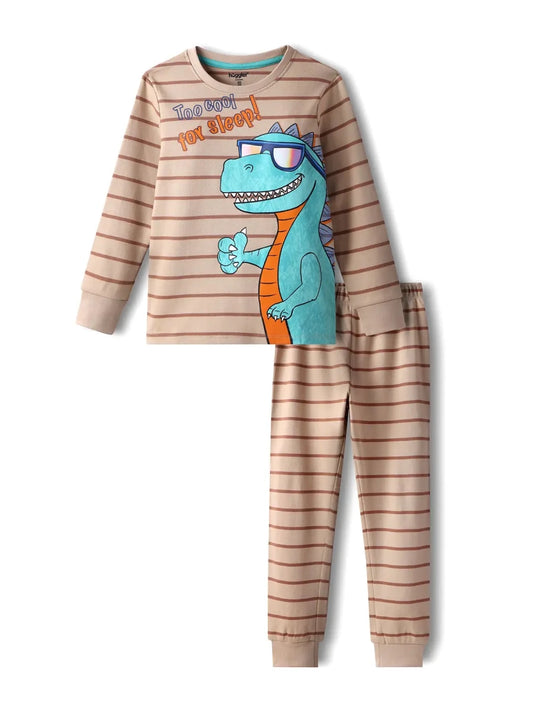
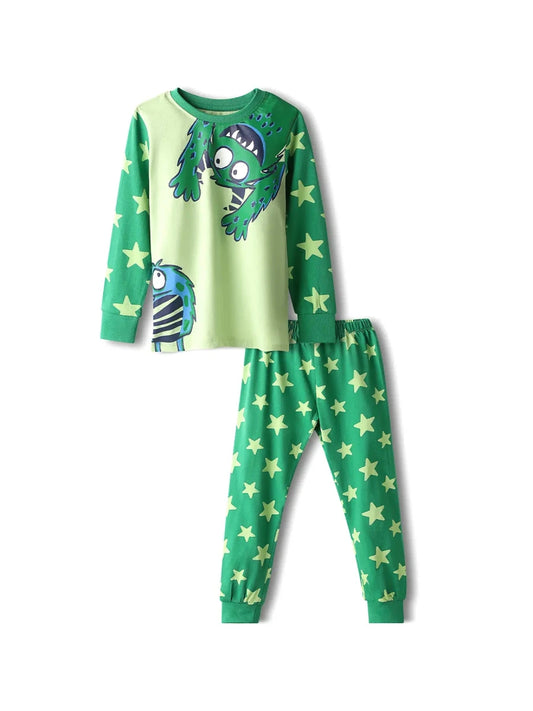
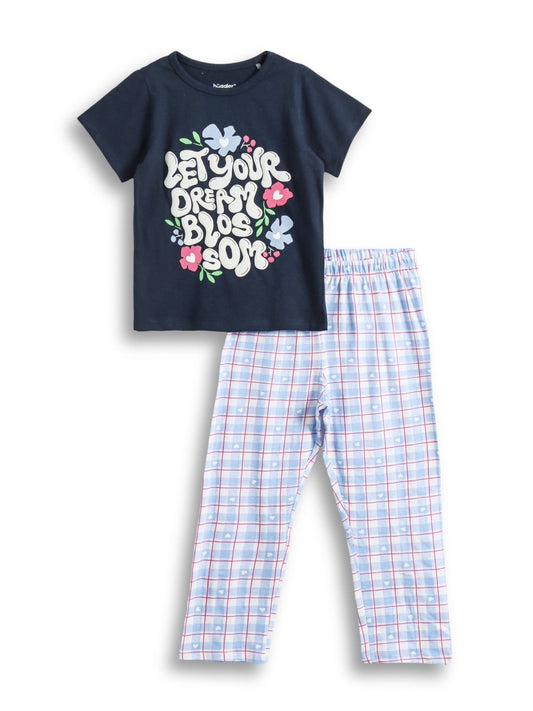
Got your numbers ready? Match them to our size guide, then shop soft cotton night suits, easy shorts sets, or browse boys' and girls' favourites. 📏

Written by the huggler team
The designers and parents behind huggler — soft, 100% cotton kidswear with original in-house prints, made in Tirupur and worn by 20,000+ Indian families. We write these guides from what we make and what our customers ask us. About huggler
From huggler
See the size guide
Age-based sizes with height ranges, so the fit is right first time.
Also useful: Size guide · Fabric guide · FAQ · All parent guides