How to Soften New Clothes Before Your Baby Wears Them
- Always wash new baby clothes once before the first wear.
- A cool wash with a gentle detergent removes factory finish and relaxes the fibres.
- Add white vinegar to the rinse as a safe, natural softener.
- Skip commercial fabric softeners on baby clothes; air-dry in shade instead.
To soften new clothes for babies, wash them once before the first wear in cool water with a gentle detergent, then air-dry. That first wash removes any finishing residue and relaxes the fibres, so the fabric feels softer on baby skin.
New clothes can feel a little stiff, and that is completely normal.
Fabric often carries a light finish from the factory that a home wash rinses away.
A few simple, natural steps turn that crisp feel into soft comfort for your little one.
- Read. Check the care label first.
- Wash. Use cool water and a mild, low-fragrance detergent.
- Rinse. Add half a cup of white vinegar to the rinse.
- Skip. Leave out commercial fabric softener.
- Dry. Air-dry in the shade.
- Feel. Repeat once more if it is still stiff.
The gentle, natural way to ready new clothes for a baby's first wear.
🧺 Why do new baby clothes feel stiff?
New fabric often carries a light finishing coat from the mill.
That coat can make even soft cotton feel crisp or slightly starchy at first.
Folding, packing and long storage add to that fresh-off-the-shelf stiffness.
Sizing sprays used to keep clothes neat on the shelf also play a part.
None of it is a fault, and none of it lasts once you wash the garment.
A single home wash usually softens things right up.
Give it that first wash, and you will feel the change straight away.
The cotton relaxes, and the crispness disappears.
What felt papery in the shop turns pillow-soft after a rinse.
That first wash is the real secret, more than any product.
💧 Should I wash new baby clothes before the first wear?
Yes, always. This is the one step no new parent should skip.
A first wash lifts away any finishing residue that sat on the fabric.
It also relaxes the cotton, so the very first wear feels soft and kind.
Newborn skin is delicate, so a clean, freshly washed fabric is the safe choice.
Wash everything that will touch the skin, including night suits and vests.
It is a small chore that makes a real difference to comfort.
Set aside a load for all the new arrivals before the baby comes home.
One evening of washing saves a lot of last-minute rushing.
Never dress a baby in brand-new clothes straight from the pack. One cool wash and an air-dry does most of the softening.
🌿 How do I soften new clothes naturally?
White vinegar is the star here, and it is completely safe for baby clothes.
Add about half a cup to the rinse, and it relaxes fibres and cuts leftover residue.
It rinses out clean, so no smell or coating is left behind.
A spoon of baking soda in the wash softens hard water and freshens the load.
These natural softeners are gentle on both fabric and skin.
Best of all, you likely have both in the kitchen already.
No special baby-laundry product is needed to get a soft result.
| Method | What it does | Note |
|---|---|---|
| First cool wash | Removes factory finish | Do before first wear |
| White vinegar in rinse | Natural softener, cuts residue | Half a cup, rinses clean |
| Baking soda in wash | Softens hard water, freshens | One spoon per load |
| Air-dry in shade | Keeps fibres relaxed | Avoid harsh sun on colours |
| Skip fabric softener | Avoids coating and irritation | Best for baby skin |
🧴 Which detergent is best for baby clothes?
Choose a mild, low-fragrance detergent made for sensitive skin.
Use a small amount, since too much leaves residue that can itch.
Strong perfumes and brighteners are the usual cause of irritation, not the cotton itself.
Rinse baby clothes twice so nothing lingers in the weave.
A liquid detergent often rinses out more fully than a heavy powder.
Plain and gentle beats heavily scented every time for little ones.
If your baby has very sensitive skin, a fragrance-free option is safest.
Watch for any redness after a new detergent, and switch if you see it.
Skip commercial fabric softeners on baby clothes. They can coat the fibres, reduce breathability and irritate sensitive skin.
☀️ Does air-drying make clothes softer?
Gentle air-drying keeps fibres relaxed and soft.
Dry baby clothes in shade or gentle sun rather than harsh midday heat.
Shade protects colours and prints while still airing the fabric well.
Give a light shake before hanging to loosen the weave.
A soft breeze does more for softness than a hot, fast dry.
Make sure clothes are fully dry before folding, so nothing turns musty.
A little morning sun also helps freshen and lightly air the fabric.
Just avoid the harsh midday glare on bright colours.
🌡️ Should I use hot water to soften clothes?
No, cool water is kinder and just as effective for softening.
Hot water can shrink some cotton and fade prints.
It also sets any stray stains rather than lifting them.
Cool water with vinegar relaxes the fabric without the risks.
Save your energy bill and your baby's clothes with a gentle cool wash.
🔁 How many washes until they are really soft?
Often just one wash does it for good cotton.
Stiffer or heavier fabric may need two or three gentle cycles.
Each cool wash relaxes the fibres a little more.
The vinegar-rinse trick speeds this up nicely.
By the third wear, most baby clothes feel wonderfully soft.
Heavier items like hooded sets simply take a wash or two more.
Patience here pays off in comfort your baby can feel.
Pre-washed cotton starts softer and shrinks less, but a first home wash still helps before your baby wears it.
👕 Does pre-washed cotton need all this?
It needs less, because much of the work is already done.
Pre-washed cotton has been through a wash at the mill, so it starts soft and stable.
You should still give it one gentle home wash before first wear for cleanliness.
That single wash is quick, and then it is ready for daily cuddles.
Soft from the start is exactly what you want for a newborn.
It means less prep for you and more cuddles for them.
Fewer washes to soften also means the clothes stay lovely for longer.
💛 How does Huggler help here?
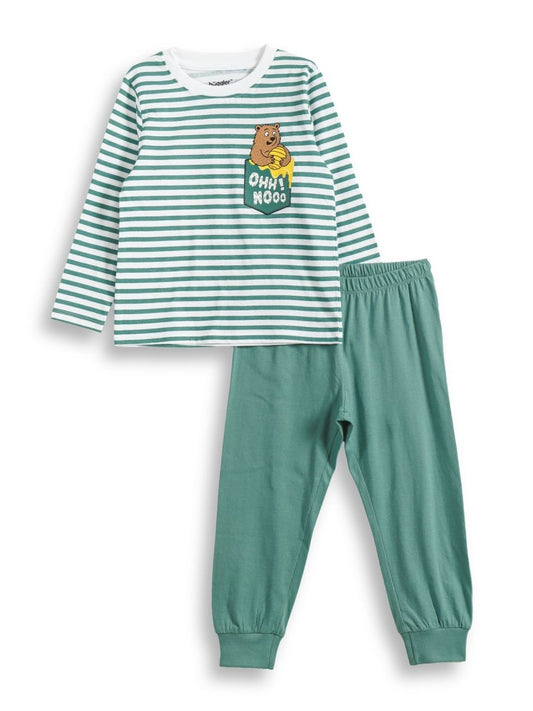
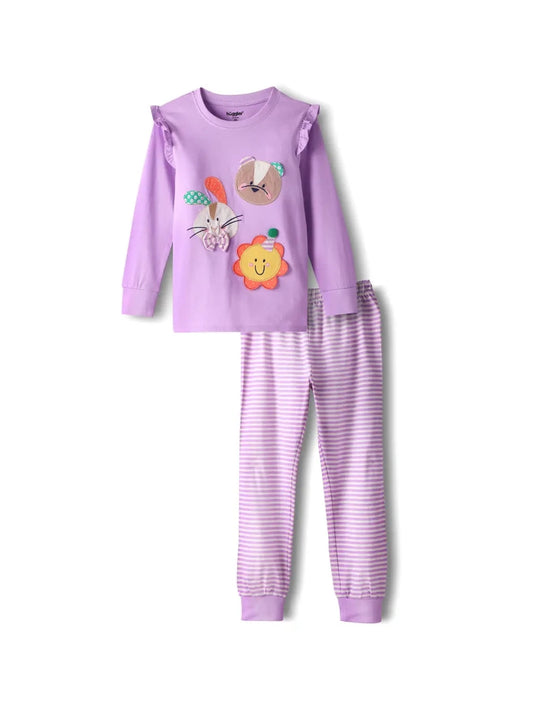
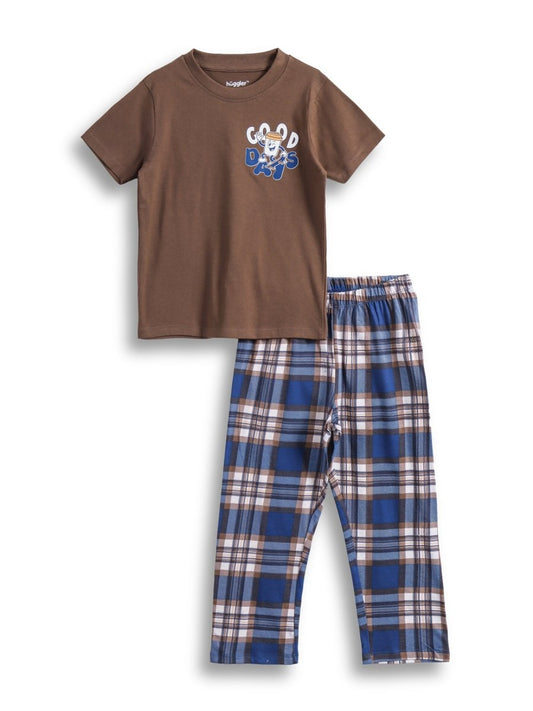
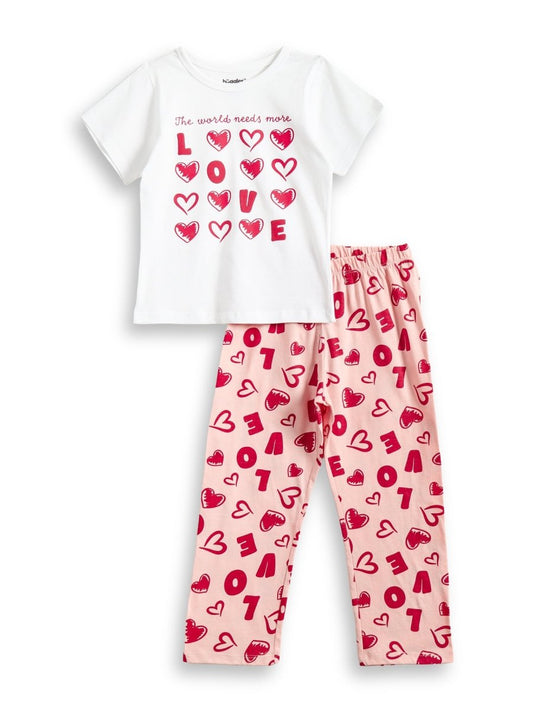
We make our own soft, pre-washed cotton in Tirupur, India's knitwear capital.
Because it is pre-washed, it arrives softer and holds its shape after washing.
Breathable, skin-safe cotton is a gentle choice against a baby's skin.
Give it one cool wash at home, and it is ready for sleepy, snuggly nights.
Soft, simple and safe is what we build into every set.
Give a new set one gentle wash, and it is ready for the crib.
Then it is all snuggles from there.
💬 FAQ
Should you wash newborn clothes before wearing?
Yes, always wash once before the first wear to remove any finishing and soften the fabric.
How do you soften stiff baby clothes naturally?
Wash in cool water and add half a cup of white vinegar to the rinse, then air-dry in shade.
Is fabric softener safe for babies?
Best avoided. It can leave residue and irritate sensitive skin, so vinegar is a gentler softener.
How many washes to soften new clothes?
Often just one, sometimes two or three for stiffer cotton. It softens a little more with each gentle wash.
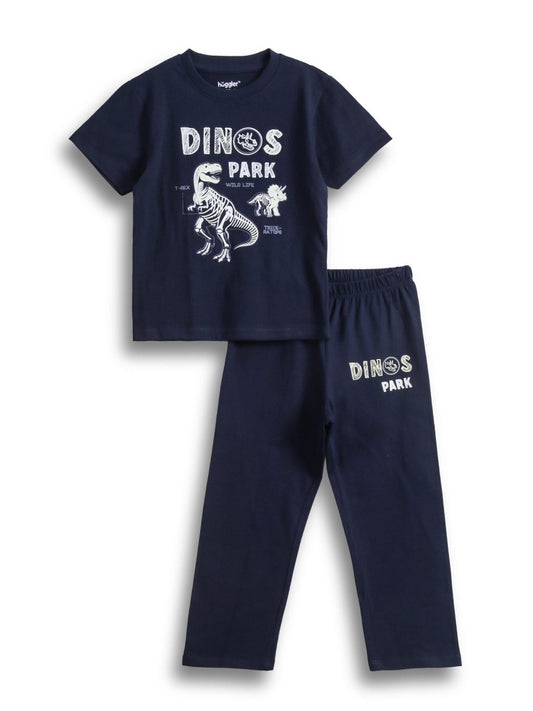
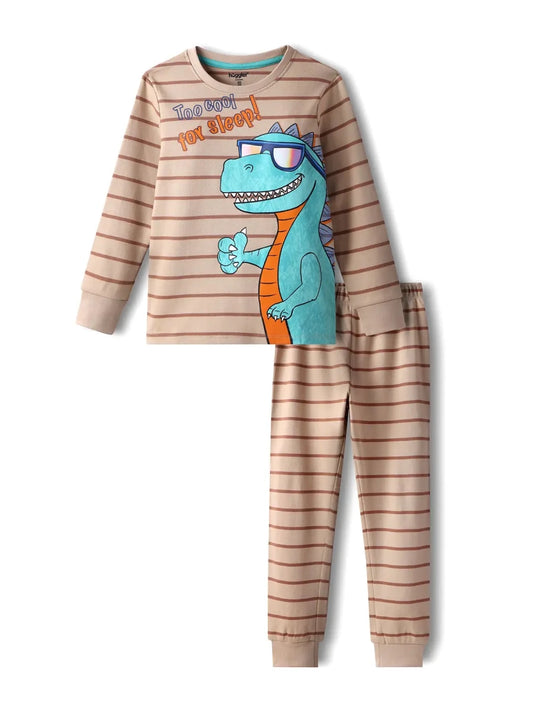
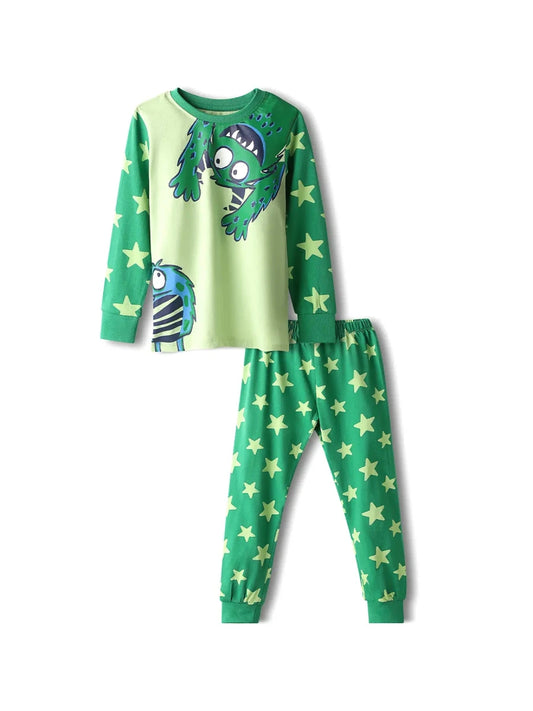
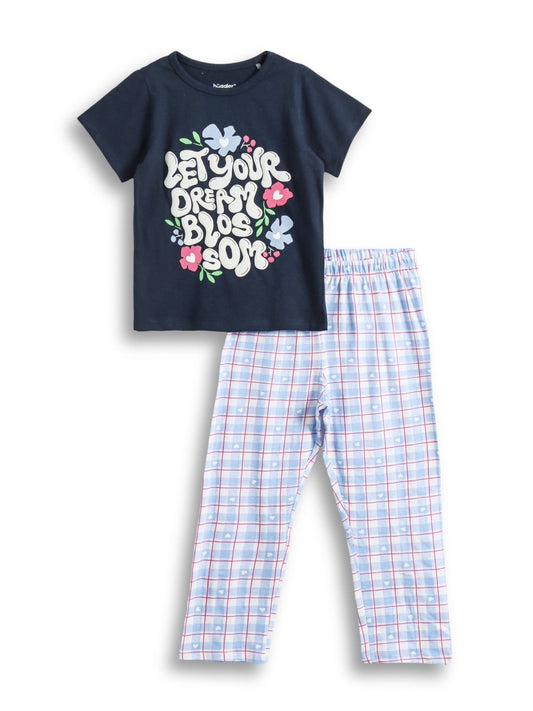
Ready to stock up on soft, pre-washed cotton your baby can wear from the very first night? Explore our baby and kids' night suits and comfy girls' night suits, and find the right size in our size guide. 🧸

Written by the huggler team
The designers and parents behind huggler — soft, 100% cotton kidswear with original in-house prints, made in Tirupur and worn by 20,000+ Indian families. We write these guides from what we make and what our customers ask us. About huggler
From huggler
Shop kids' cotton night suits
Soft, pre-washed 100% cotton night suits in age-based sizes, made in Tirupur.
Also useful: Size guide · Fabric guide · FAQ · All parent guides