How to Remove Tough Stains From Kids' Clothes (Naturally)
- Act fast: a fresh stain lifts far more easily than an old, set-in one.
- Rinse in cold water from the back of the fabric, then treat the spot.
- Simple natural stain removers like baking soda, vinegar, lemon and sunlight handle most kid messes.
- Keep stained clothes away from hot water and the dryer until the mark is fully gone.
To remove stains from kids' clothes, act quickly, rinse the spot in cold water from behind, treat it with a gentle natural remedy, then wash cool. Most fresh food, grass and mud stains lift without harsh bleach.
Kids find every puddle, plate and paint pot, often in the same afternoon. Stains come with the territory.
The good news is that gentle methods work better than strong ones on soft cotton.
Speed and the right first step matter more than any costly stain spray.
Reach for what is already in your kitchen before you buy anything special.
- Scrape. Lift off any solids with a blunt spoon.
- Blot. Dab with a clean cloth, never rub.
- Rinse. Run cold water through the back of the stain.
- Treat. Add a natural remover and wait a few minutes.
- Wash. Use a cool cycle and a mild detergent.
- Check. Confirm it is gone before any heat.
The six-step routine that saves most favourite tees and night suits.
🧺 Why do kids' clothes stain so easily?
Kids eat, paint and roll in the grass, sometimes all before lunch.
Their clothes take curry drips, mango juice, mud and ink almost every day.
Soft cotton holds colour beautifully, which is lovely for prints and less lovely for spills.
The upside is that clean, breathable cotton also releases most stains when you treat it right.
So a stain is rarely the end of a much-loved outfit.
⏱️ What is the first thing to do with a fresh stain?
Move fast. A fresh stain sits on top of the fibres, while an old one sinks in and sets.
Scrape off any solids first, then blot, don't rub with a clean cloth.
Rubbing pushes the stain deeper and spreads it wider across the weave.
Rinse the spot under cold water from the back, so the stain pushes out the way it came in.
Only after that do you reach for a remover.
💧 Cold or hot water for stains?
Cold water for almost everything on kids' clothes, especially milk, egg and blood.
Hot water cooks those protein stains into the fabric and makes them permanent.
Cold also protects the print and the colour on playful cotton.
Save warm water for greasy, oily marks, and even then keep it gentle.
When in doubt, cold water is the safe first move.
A quick cold rinse in the first few minutes does more than an hour of scrubbing later.
Never iron or hot-dry a stained item until the mark is fully gone. Heat sets a stain into the fabric for good.
🌿 What natural stain removers actually work?
You already own most of them. Baking soda, white vinegar, lemon and plain sunlight do a lot.
A little mild dish soap cuts grease, and a paste of baking soda and water lifts fresh curry.
These are gentle on skin-safe cotton and kinder to young skin than strong chemical removers.
Here is a quick guide to the common messes and the natural fix for each.
| Stain | Natural fix | Avoid |
|---|---|---|
| Curry / turmeric | Rinse cold, rub in mild soap, dry in sunlight | Hot water, which sets the yellow |
| Grass & mud | Let mud dry, brush off, soak in vinegar water | Scrubbing wet mud in |
| Fruit & juice | Rinse cold at once, dab with lemon | Leaving it to dry |
| Oil & ghee | Dust with baking soda, then mild dish soap | A cold-only rinse |
| Blood | Soak in cold water, dab with vinegar | Warm water |
| Ink | Blot, dab with a little curd, rinse | Spreading it wider |
🍛 How do I remove curry and turmeric stains?
This is the classic Indian laundry problem, and sunlight is your best friend.
Rinse the fresh spot in cold water, work in a little mild soap, then dry the item in bright sunlight.
Turmeric fades fast in the sun, often over a day or two of drying outside.
A squeeze of lemon juice on the spot before sun-drying speeds it up.
Never hot-dry a yellow stain first, since heat locks the colour in.
Sunlight is a free, natural bleach for yellow turmeric and juice marks. Hang the damp, treated cotton in bright sun and let it work.
🌱 What about grass, mud and monsoon stains?
Let mud dry completely, then brush or shake off the loose dirt before it touches water.
Soak grass stains and mud marks in a bowl of water with a splash of white vinegar.
A soft old toothbrush lifts the last of it without harming the weave.
In the monsoon, rinse muddy clothes the same day so they do not smell.
Air them well, because damp clothes left in a heap set both stain and odour.
🍫 How do I handle chocolate, oil and ink?
Chocolate lifts best when you scrape it off first, then rinse cold from the back.
For oil and ghee, dust the spot with baking soda to draw out the grease.
Leave it a few minutes, brush it off, then work in a little mild dish soap.
Ink responds to a dab of plain curd or a drop of sanitiser before you rinse.
Blot these from the edges inward, so the mark never spreads wider.
👶 Are natural methods safe for babies and delicate cotton?
Yes, and they are the better choice for little ones.
A gentle detergent with low fragrance, plus baking soda or vinegar, is kind to baby skin.
Harsh bleach and strong sprays can leave residue that irritates sensitive skin.
Test any remedy on a hidden inside seam first, just to be safe.
For baby clothes, rinse twice so nothing lingers in the fabric.
Skip harsh bleach on kids' everyday cotton. Test on a hidden seam, and let sunlight and vinegar do the gentle work instead.
🧺 How do I stop stains from setting in the first place?
Treat spills the day they happen, not on laundry day.
Keep a small tub handy for soaking play clothes as soon as they come off.
Turn printed tees and night suits inside out before washing to protect the design.
Wash on cool, and always check the stain is truly gone before it goes near heat.
A quick habit today saves a favourite outfit tomorrow.
Keep a little baking soda and white vinegar near the machine, so treating a spot is easy.
The faster a spill meets water, the less chance it has to become a lasting stain.
The winning routine is simple: act fast, blot rather than rub, rinse cold from behind, then a gentle natural remover before a cool wash.
💛 How does Huggler make stains easier to handle?
We make our own pre-washed cotton in Tirupur, India's knitwear capital, so it washes clean and stays soft.
Breathable, skin-safe cotton releases everyday spills more willingly than slippery synthetics.
Our prints are made to stay gentle and bright through cool, regular washing.
Soft cotton that forgives a curry night is exactly what busy parents need.
💬 FAQ
How do I remove old, set-in stains from kids' clothes?
Soak overnight in cool water with baking soda, then treat and wash. Old stains often need two or three gentle rounds.
Is bleach safe for kids' clothes?
Skip harsh bleach on everyday cotton and baby clothes. Sunlight, baking soda and vinegar are gentler and usually enough.
How do I get yellow turmeric stains out?
Rinse cold, add a little mild soap, then dry in bright sunlight. The sun fades the yellow naturally.
Can I use hot water to remove stains?
Not as a first step. Hot water sets most food and protein stains, so always start with cold.
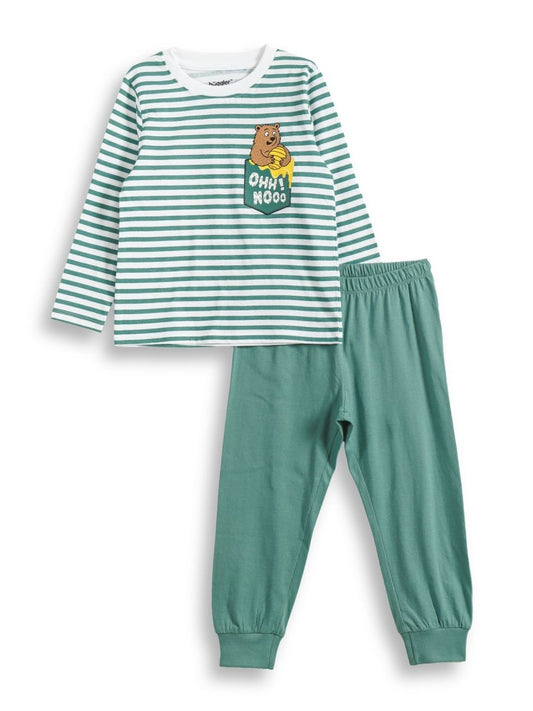
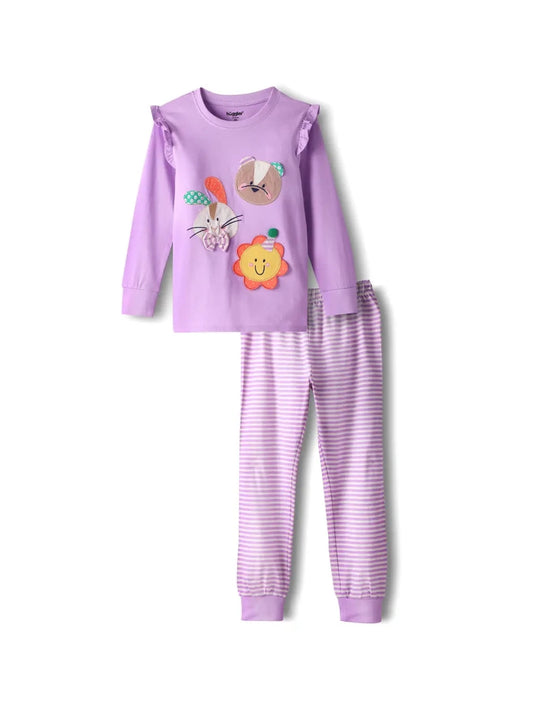
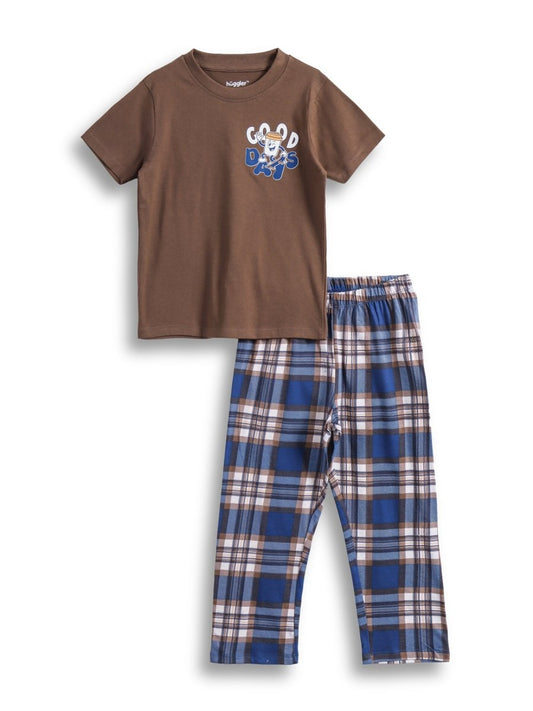
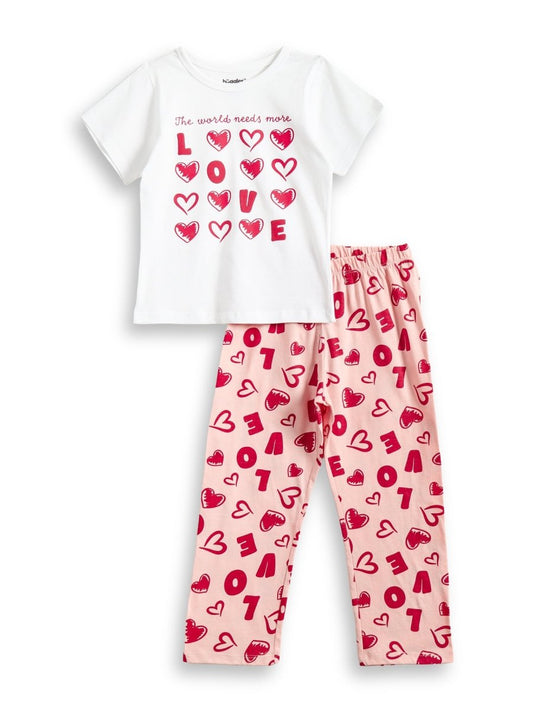
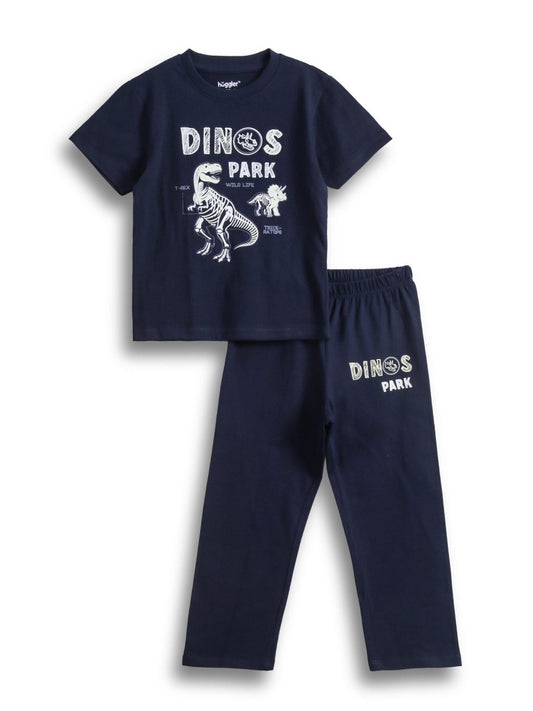
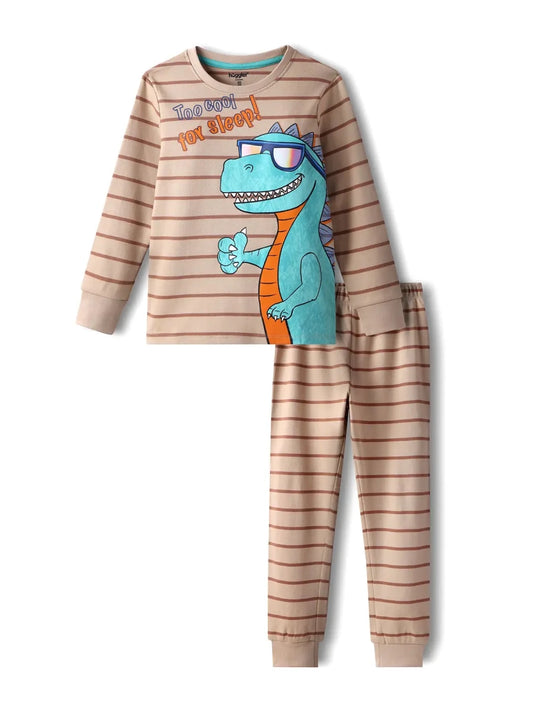
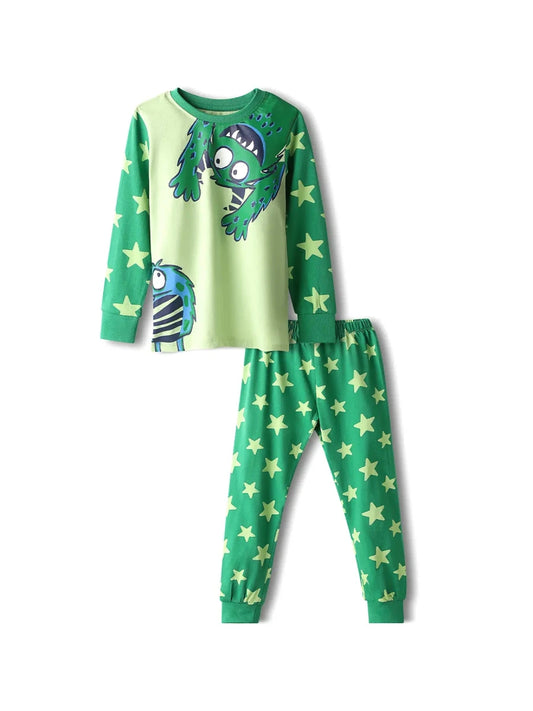
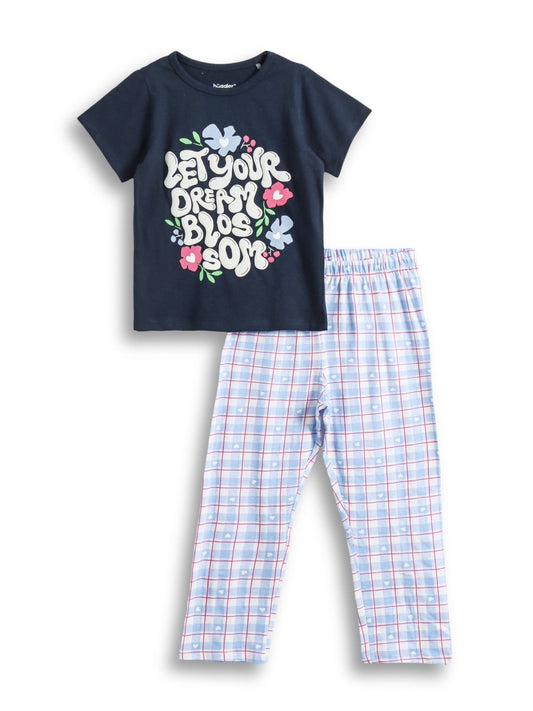
Keep your child's favourites going strong, from everyday tees to soft cotton night suits and shorts sets built for play. Not sure on the fit before you buy? Our size guide makes it easy. 🧺

Written by the huggler team
The designers and parents behind huggler — soft, 100% cotton kidswear with original in-house prints, made in Tirupur and worn by 20,000+ Indian families. We write these guides from what we make and what our customers ask us. About huggler
From huggler
Shop kids' cotton night suits
Soft, pre-washed 100% cotton night suits in age-based sizes, made in Tirupur.
Also useful: Size guide · Fabric guide · FAQ · All parent guides