How to Keep Your Baby Warm at Night Without Overheating
- To keep a baby warm at night, use one or two light, breathable cotton layers.
- Choose a wearable sleep bag over loose blankets for young babies.
- Keep the room comfortably cool, not hot, so warmth never tips into overheating.
- Judge warmth by feeling the chest or back of the neck, not the hands.
To keep a baby warm at night without overheating, use one or two light, breathable cotton layers and a wearable sleep bag instead of loose blankets. Keep the room comfortably cool, and check the chest or neck to judge warmth rather than the hands.
We make cotton sleepwear for older children, so here is a clear, parent-to-parent guide to warm-but-safe baby nights.
🌙 How do you keep a baby warm at night without overheating?
The trick is gentle warmth you can adjust, not one big heavy layer.
Light cotton layers trap a little warm air while still letting heat escape.
You can add or peel a layer as the night cools or warms, which a single thick suit will not allow.
Small, reversible tweaks beat one big guess every time.
For anything specific to your baby's health or sleep, your pediatrician is the right guide.
Warm, not hot. A baby who is comfortably warm sleeps well; one who is overheating is at greater risk, so aim for a cool room and light layers you can add or remove.
🧅 How many layers does a baby need at night?
Think in light, breathable layers rather than a single thick one.
A soft cotton bodysuit under a light sleepsuit suits most cool nights.
Add a wearable sleep bag on colder nights instead of piling on blankets.
A common guide: dress a baby in about one more light layer than you are comfortable in.
On a mild night, a single cotton layer is often all a baby needs.
Skip bulky, padded suits that make it hard to tell how warm your baby really is.
Thin layers you can count are easier to judge than one thick mystery layer.
🧵 Which fabric keeps babies warm safely?
Soft, breathable cotton is the safest way to hold gentle warmth.
It keeps a little heat in while still letting sweat and excess warmth escape.
Heavy, non-breathable synthetics can trap heat and tip a warm baby into overheating.
Pre-washed cotton is softer against new skin and holds its size after washing.
Cotton next to the skin also feels kinder than synthetics on a cold, dry night.
🛏️ Are blankets safe, or should you use a sleep bag?
For young babies, a wearable sleep bag is safer than a loose blanket.
Loose blankets can shift over the face during the night, which is a known safe-sleep risk.
A sleep bag keeps warmth in and stays put, with nothing loose to drift.
Wearable sleep bag
- Stays put all night
- Nothing loose near the face
- Comes in warmth ratings for the room
Loose blanket
- Can shift over the face
- Kicked off, then baby gets cold
- Best kept out of the cot for young babies
For young babies, a sleep bag gives warmth without the risks of loose bedding.
🌡️ What room temperature is right for baby sleep?
A comfortably cool room is the goal, not a warm one.
Many families aim for roughly 20–22°C, but treat that as a comfort guide and follow your pediatrician's advice.
In a cool room, add a light layer; in a warm one, take a layer away.
Never add a hat indoors for sleep, and keep loose blankets, pillows, and soft toys out of the cot for young babies. Overheating is a bigger night-time worry than a slight chill.
🧦 Do babies need socks or mittens at night?
Cool hands and feet are normal, so they are not a reliable sign your baby is cold.
A footed sleepsuit keeps toes warm without loose socks that slip off in the night.
Skip loose mittens for sleep, since small loose items are best kept out of the cot.
If the room is genuinely cold, a warmer sleep bag is a safer way to hold heat than extra bits and pieces.
Check the feet against the chest — if the chest is warm, cool toes are nothing to worry about.
A one-piece footed sleepsuit solves cold toes without a single loose item.
⚠️ How do you tell if a baby is too warm or too cold?
Feel the chest or the back of the neck, not the hands or feet.
Warm and dry is right. Sweaty, clammy, or damp hair means remove a layer.
Cool hands are normal and are not a sign your baby is cold.
| Room feels | A common approach |
|---|---|
| Warm | Light cotton bodysuit or sleepsuit alone |
| Mild | Cotton layer plus a light sleep bag |
| Cool | Two light cotton layers plus a warmer sleep bag |
A comfort guide, not a rule — always check the chest and follow your pediatrician.
Lay out the night's clothes before the bath. A calm, same-every-night order helps a baby settle and keeps you from over-layering in a hurry.
❄️ How do you keep a baby warm in an Indian winter?
Most Indian winters are mild, so gentle warmth beats heavy bundling.
Layer light cotton pieces and add a warmer sleep bag on the coldest nights.
If you use a room heater, keep it well away, keep the room from drying out, and check for overheating.
Warm the cot briefly before bed if needed, then remove the extra heat before your baby goes down.
Draughts matter more than raw cold, so move the cot away from windows and doors.
A warm layer you can remove beats a heavy one you cannot.
🌗 How do layers change as the night cools?
Rooms are often warmest at bedtime and coolest in the early hours.
Dress for the cooler part of the night, and check once on your own way to bed.
A sleep bag holds steady warmth as the room temperature drifts down.
If you find yourself adding layers at midnight, start a touch warmer at bedtime instead.
🎂 When can a child move to a Huggler night suit?
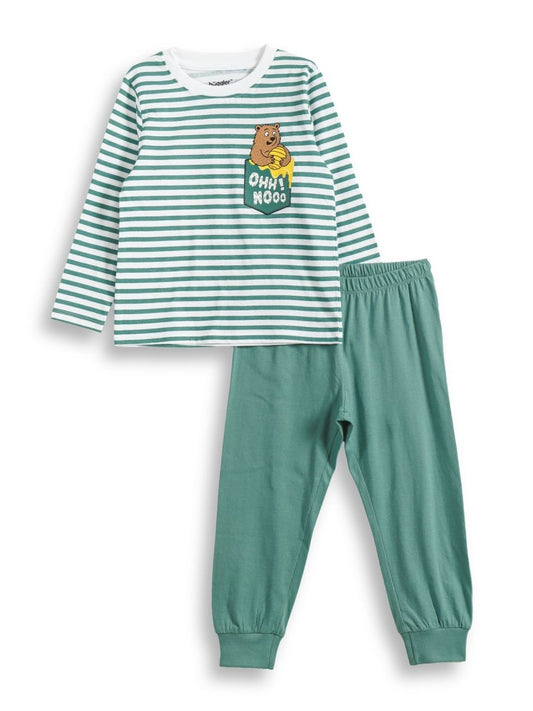
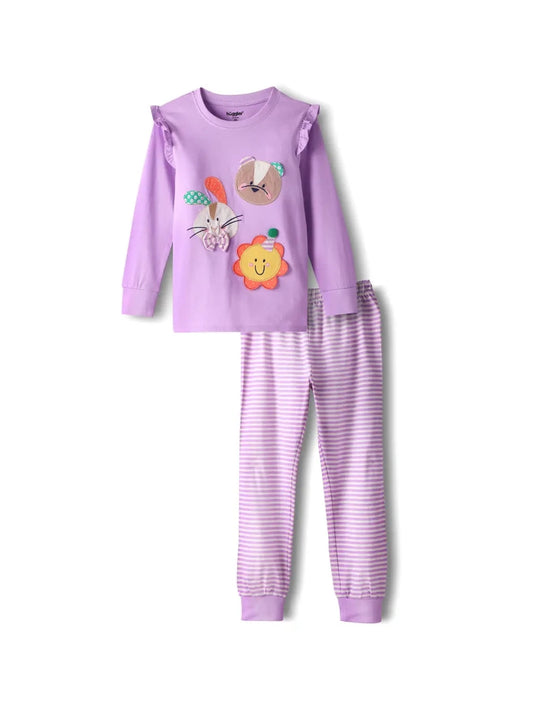
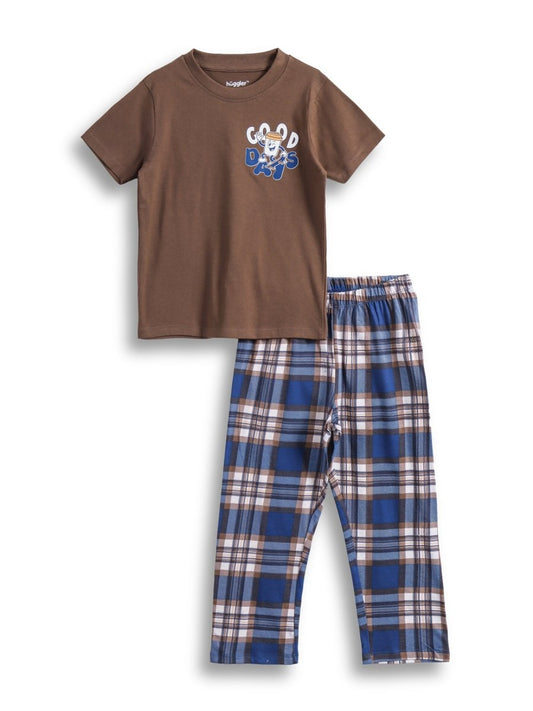
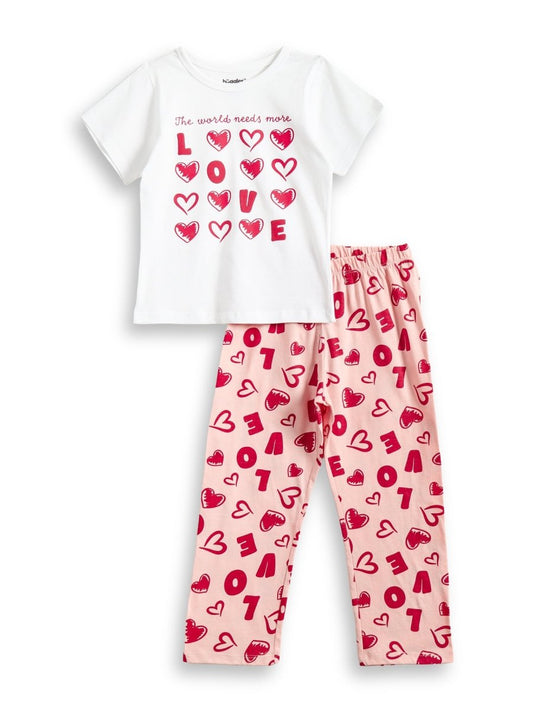
Our night suits are made for ages 2 to 10, in eight sizes from 2-3Y to 9-10Y.
For babies under two, use snug cotton baby sleepwear and a sleep bag, guided by your pediatrician.
Once your little one is past two, a relaxed cotton night suit keeps them cosy without overheating.
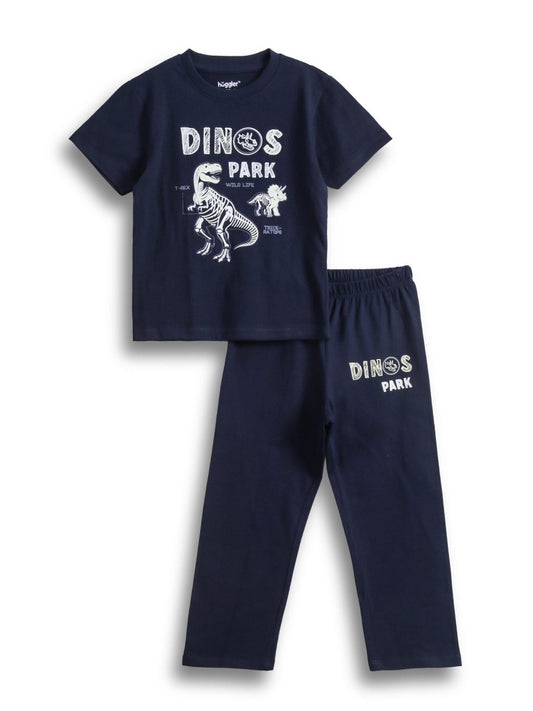
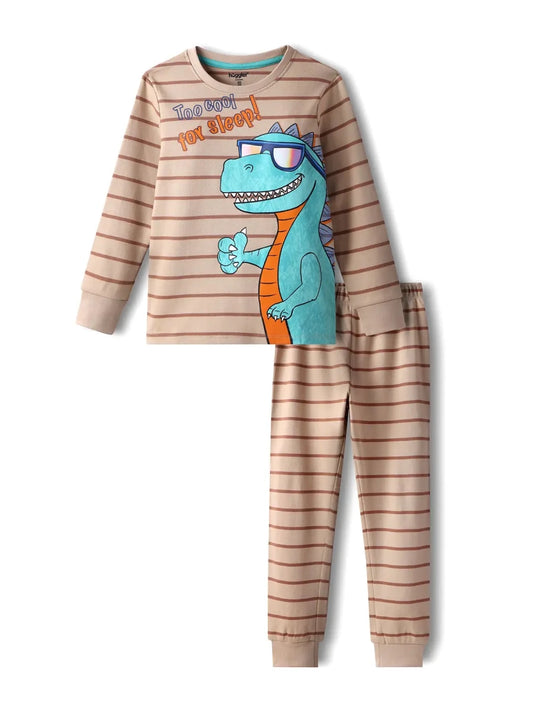
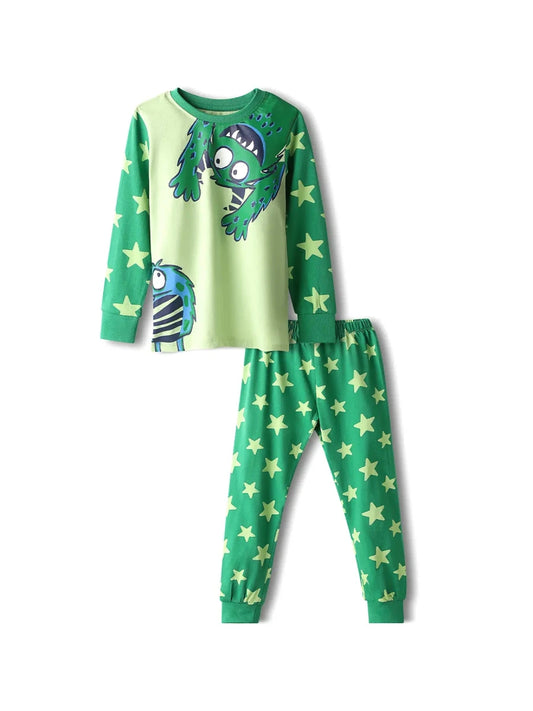
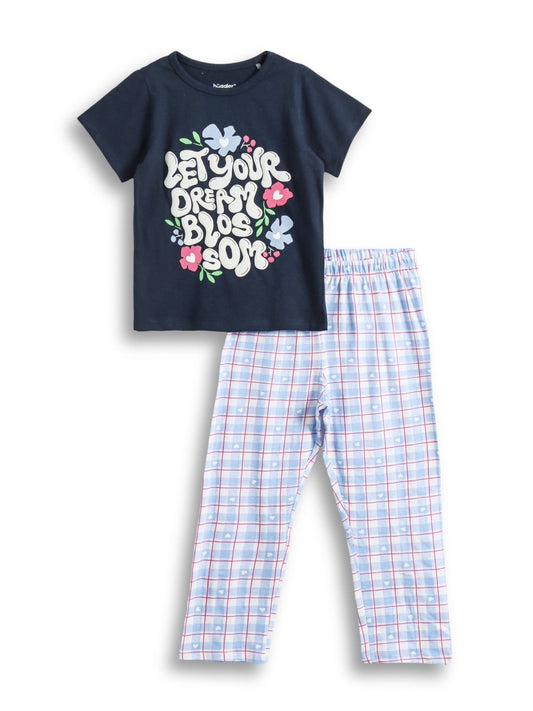
Huggler night suits start at 2-3Y. When your toddler is ready, see our soft cotton night suits, lighter shorts sets for warm spells, and the size guide for fit.
💬 FAQ
How do I keep my baby warm at night without a blanket?
Use light, breathable cotton layers and a wearable sleep bag. It keeps warmth in and stays put, with nothing loose that could drift over the face.
How do I know if my baby is too hot or too cold at night?
Feel the chest or back of the neck; warm and dry is fine, sweaty means too hot. Cool hands and feet are normal and not a sign of being cold.
What should the room temperature be for baby sleep?
Aim for a comfortably cool room, often cited around 20–22°C, and adjust layers to match. Treat it as a comfort guide and follow your pediatrician.
What age can my child wear a Huggler night suit?
Huggler night suits are made for ages 2 to 10, in sizes 2-3Y up to 9-10Y. For younger babies, use snug cotton baby sleepwear and a sleep bag.
When your little one is past two, browse our soft, breathable Huggler cotton night suits for cosy, well-fitted nights all year round, and see our FAQ for shipping and exchange details. 🌙

Written by the huggler team
The designers and parents behind huggler — soft, 100% cotton kidswear with original in-house prints, made in Tirupur and worn by 20,000+ Indian families. We write these guides from what we make and what our customers ask us. About huggler
From huggler
Shop kids' cotton night suits
Soft, pre-washed 100% cotton night suits in age-based sizes, made in Tirupur.
Also useful: Size guide · Fabric guide · FAQ · All parent guides