How Much Sleep Do Kids Need by Age? (Chart Included)
- Sleep needs drop as kids grow: toddlers need the most, big kids a little less.
- Toddlers need about 11–14 hours a day, including naps.
- School-age kids need roughly 9–11 hours a night.
- The right amount and comfy, breathable sleepwear both help kids sleep through.
Most kids need a lot of sleep, and the amount falls as they grow: toddlers need about 11 to 14 hours a day, while school-age kids need roughly 9 to 11 hours a night. Naps count toward the total for younger children.
These are guides, not rules, so use them to spot when your child is running short.
Here is the full sleep-by-age chart, the signs of too little sleep, and how to help.
Small changes to bedtime and comfort often close the gap faster than you would expect.
Every child is a little different, so treat these hours as a helpful range, not a strict rule.
The best measure is how your child looks and feels by day, not the exact minutes at night.
🌙 How much sleep do kids need by age?
Enough that they wake rested and stay steady through the day.
The younger the child, the more sleep they need, with naps making up part of it early on.
Use the chart as a target, then adjust to your own child's mood and energy.
Some kids naturally sit at the top of their range, and others at the bottom.
What matters is a steady pattern, not hitting an exact number every night.
A child who wakes cheerful and holds their mood is almost certainly getting enough.
📊 The sleep-by-age chart
Here are the widely used ranges, including daytime naps where they still happen.
| Age | Total sleep (per day) | Naps? |
|---|---|---|
| Babies (4–12 months) | 12–16 hours | Yes, several |
| Toddlers (1–2 years) | 11–14 hours | Yes, 1–2 |
| Preschool (3–5 years) | 10–13 hours | Often 1 |
| School age (6–10 years) | 9–12 hours | Usually none |
If your child lands in their range and wakes happy, they are getting enough.
If they fall short by an hour or two most nights, it adds up over a week.
Think of the total across the whole day, naps included, not just the night stretch.
Newborns sleep even more, in short bursts around the clock, before any real pattern forms.
As kids grow, sleep slowly shifts into one long night stretch with fewer or no naps.
😴 What are the signs my child isn't getting enough?
Watch behaviour more than the clock, since tired kids often act wired, not sleepy.
Crankiness, meltdowns, trouble focusing and clinginess are common signs of too little sleep.
Hard morning wake-ups and falling asleep in the car are clear clues too.
You might also see more tears over small things, or a shorter fuse than usual.
Trust the pattern over a week rather than reading too much into one rough day.
A single late night now and then is nothing to worry about.
It is the steady, repeated shortfall that quietly wears a child down.
Overtired kids can seem hyper, not drowsy. If bedtime keeps getting harder, try moving it earlier, not later.
⏰ Does daytime napping count?
Yes, for babies, toddlers and many preschoolers, naps are part of the daily total.
As kids near school age, naps fade and night sleep carries the load.
Keep naps earlier in the day, so they do not eat into bedtime.
Most kids drop the daytime nap somewhere between three and five years old.
Until then, a good nap can actually make bedtime easier, not harder.
A late-afternoon nap can push bedtime back an hour. If nights are getting hard, an earlier or shorter nap often fixes it.
🛏️ How can I help my child get enough sleep?
Keep bedtime steady, wind down calmly, and make the room cool, dark and quiet.
A short, repeatable bedtime routine tells the body sleep is coming.
Cut screens well before bed, and keep the last half hour gentle.
Aim for the same bedtime every night, even on weekends, so the rhythm holds.
Get daylight and active play in earlier, which helps kids feel sleepy at the right time.
Keep heavy snacks and sugary drinks away from the hour before bed.
A calm, familiar wind-down does more for sleep than any single trick.
Four simple levers that add up to longer, deeper sleep.
👕 Does comfort at night affect sleep length?
It does, because a child who is too hot, too cold or itchy wakes more often.
Soft, breathable cotton holds a steady warmth, so kids drift back off instead of waking fully.
On hot Indian nights, a light cotton night suit helps prevent the sweaty, restless waking that shortens sleep.
Overheating is one of the quietest reasons kids stir, and it is easy to fix with the right fabric.
A relaxed fit matters too, since tight cuffs and waistbands nag at a sleeping child.
If your child kicks off covers and still sleeps well, that is fine. A breathable full-length night suit keeps them covered without overheating.
🌡️ Does the room and season change sleep needs?
The hours stay similar, but comfort changes with the weather.
In summer, keep the room cool and sleepwear light so heat does not break their sleep.
In winter, add a layer over breathable cotton rather than one thick, heat-trapping suit.
In the monsoon, quick-drying cotton keeps a child from sleeping in anything damp or clammy.
In an AC room, treat it like a cool night and pick a full-sleeve cotton set.
💤 Why does enough sleep matter for kids?
Sleep is when growing bodies rest, repair and store the day's learning.
Well-rested kids tend to focus better, eat better and handle big feelings more calmly.
Short sleep, night after night, shows up as mood swings and shaky concentration.
Protecting sleep is one of the simplest things you can do for a happy day.
It also supports steady growth, since much of a child's growing happens during deep sleep.
Good sleep and good comfort go hand in hand, so it is worth getting both right.
💛 How Huggler helps kids sleep longer
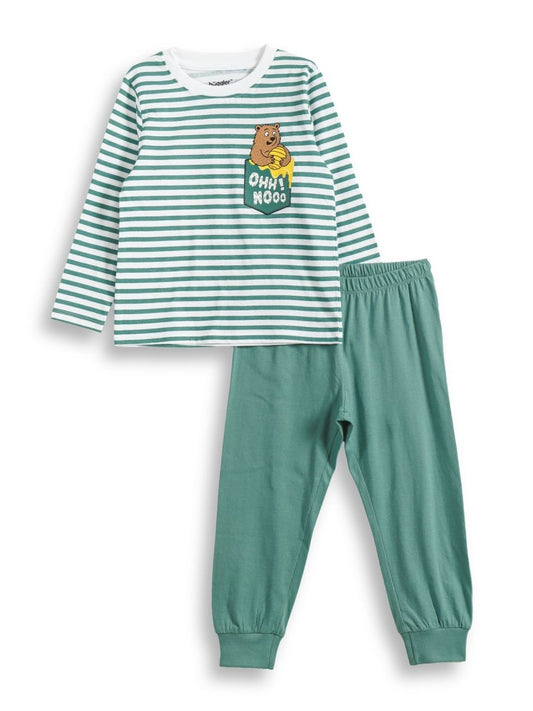
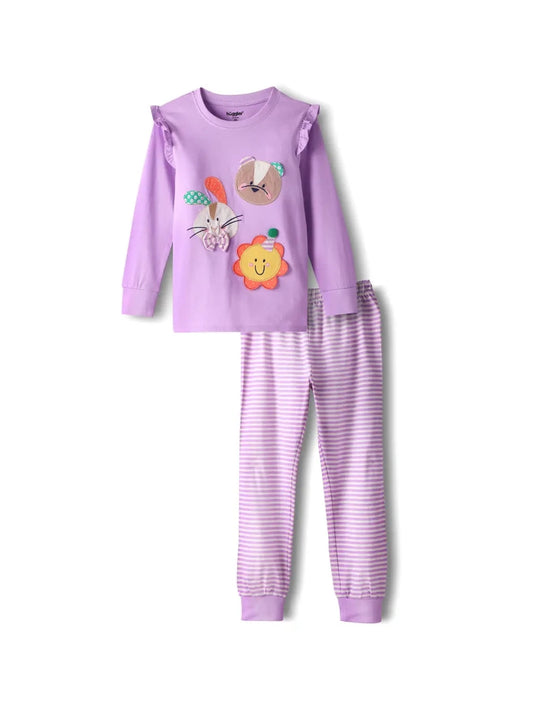
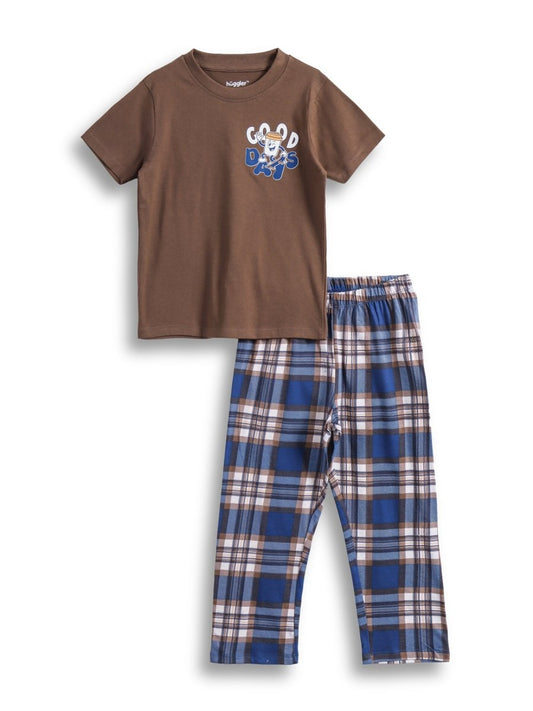
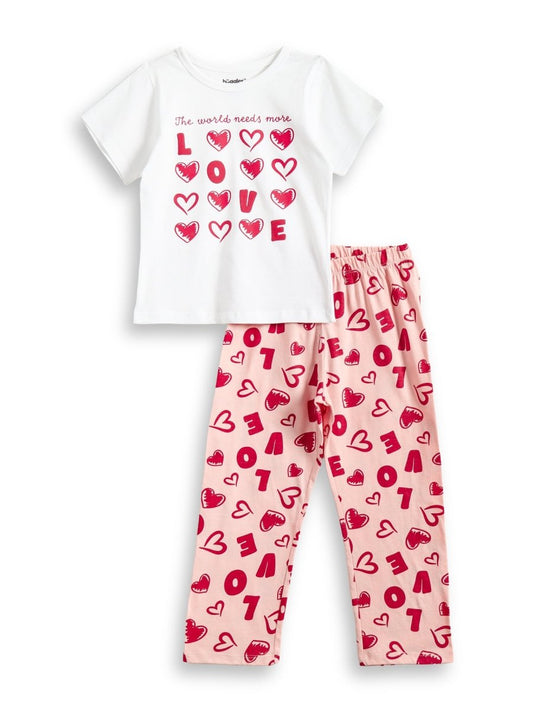
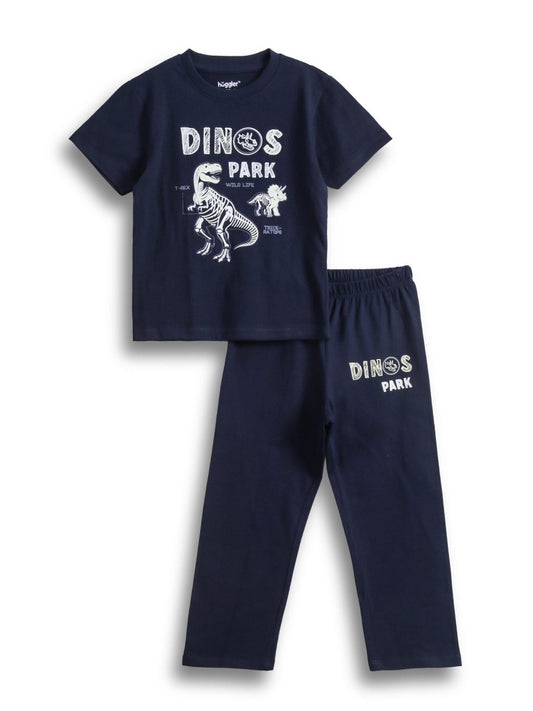
We make our night suits from soft, pre-washed, skin-safe cotton that breathes all night.
They come in eight age-based sizes from 2–3Y to 9–10Y, in a relaxed fit that never pinches.
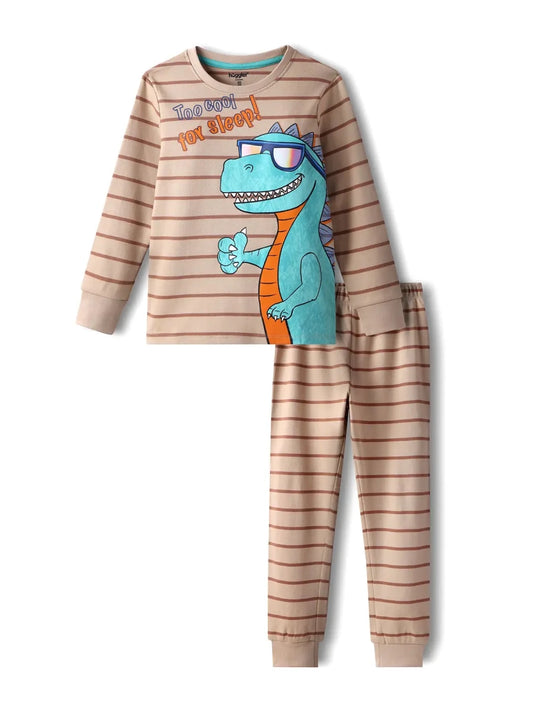
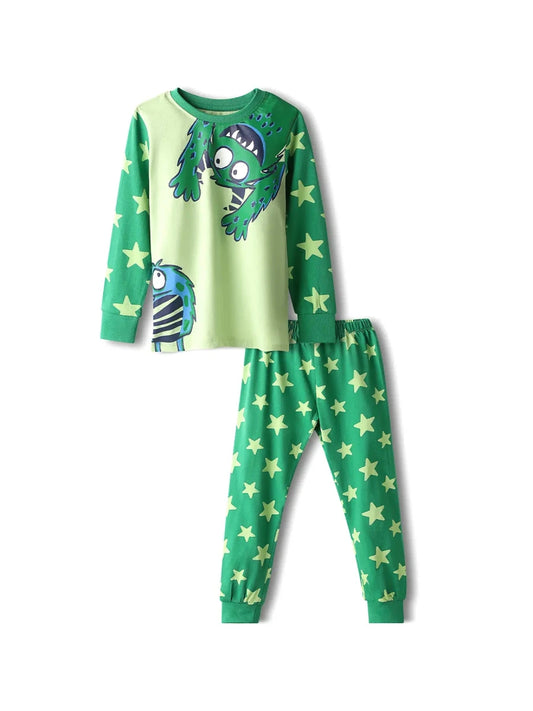
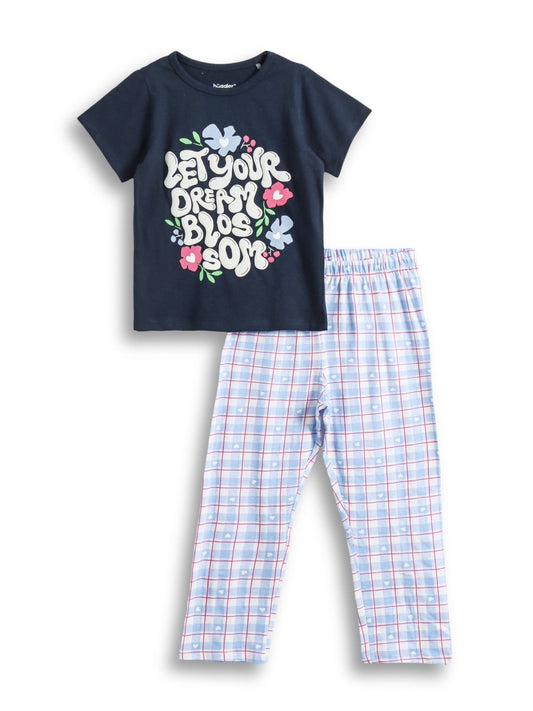
Playful, kid-loved prints make bedtime feel friendly instead of a chore.
Half-sleeve sets keep summer nights cool, and full-sleeve cotton keeps winter nights cosy.
Steady warmth and gentle fabric mean fewer wake-ups and easier nights.
Because the cotton is pre-washed, the fit stays true and the softness lasts.
You can shop by age band and check the fit against our size guide in a minute.
Comfortable, well-fitting sleepwear is a small change that pays off in longer, calmer nights.
Made in India from cloth we use ourselves, every set is built to stay soft and skin-safe.
We source our cotton from Tirupur, India's knitwear capital, so every set stays soft wash after wash.
Aim for your child's age range, then protect it with a steady bedtime and comfy, breathable sleepwear.
💬 FAQ
How much sleep does a toddler need?
About 11 to 14 hours a day, including one or two naps.
How much sleep do school-age kids need?
Roughly 9 to 12 hours a night, usually without daytime naps.
What are the signs my child isn't sleeping enough?
Crankiness, meltdowns, trouble focusing, and hard morning wake-ups are common signs.
Does what my child wears to bed affect sleep?
Yes. Soft, breathable cotton keeps a steady warmth, so kids wake less and sleep longer.
Help your child get every hour they need in soft cotton night suits, or browse boys' and girls' pyjamas by age. Get the fit right with our size guide. 💤

Written by the huggler team
The designers and parents behind huggler — soft, 100% cotton kidswear with original in-house prints, made in Tirupur and worn by 20,000+ Indian families. We write these guides from what we make and what our customers ask us. About huggler
From huggler
Shop kids' cotton night suits
Soft, pre-washed 100% cotton night suits in age-based sizes, made in Tirupur.
Also useful: Size guide · Fabric guide · FAQ · All parent guides