Fleece Night Suits for Kids: When They're Perfect (and When They're Not)
- A fleece night suit is warm and cosy, but it does not breathe well.
- It shines on genuinely cold nights and hill-station trips.
- In warm, humid or heated rooms it can cause overheating.
- For most Indian nights, breathable cotton with a layer is the safer pick.
A fleece night suit is a soft, warm choice for truly cold nights, but it traps heat and sweat, so it is not right for every home. For most of India, breathable cotton handles the year better and only needs a warm layer when it turns cold.
We make cotton night suits at Huggler, so here is our honest take on when fleece earns its place, and when it does not.
🧸 What is a fleece night suit?
Fleece is a soft, fluffy fabric, usually made from polyester. It is light, warm and quick to dry.
A fleece night suit uses that warmth to keep a child cosy on cold nights. The trade-off is airflow, because fleece does not breathe like cotton.
That single fact explains almost everything about when fleece works and when it does not.
You will see fleece as one-piece suits and as two-piece sets. The fabric behaves the same either way, so the rules below apply to both.
✅ When is a fleece night suit perfect?
Fleece is at its best when it is genuinely cold. Think winter in the north, hill-station holidays or a chilly, unheated room.
It is also handy as a quick, warm cover-up for late evenings before bed. Light warmth without much weight is fleece's strong suit.
On those nights, a fleece layer keeps a child snug when cotton alone would not be enough.
It also travels well. Fleece is light to pack and dries fast, which helps on winter trips away from home.
Fleece is a cold-weather tool, not an everyday one. Match it to the temperature, not the calendar.
🚫 When is fleece the wrong choice?
Fleece struggles in warmth and humidity. In a hot or coastal city, it traps heat and can leave skin damp and sticky.
It is also a poor pick for a heated bedroom. Warm room plus warm fleece often adds up to a restless, sweaty night.
For kids with sensitive skin, an all-fleece suit against the body can feel less gentle than soft cotton.
Fleece can also cling with static in dry weather. That fuzzy, clingy feel bothers some children as they try to settle.
Do not use a thick fleece suit with a heater and a heavy blanket at once. That much warmth raises the risk of overheating and broken sleep.
🌡️ Does fleece make kids overheat?
It can, because fleece holds heat in and lets little out. On a mild night, that warmth has nowhere to go.
Check your child the same way in any season. Feel the back of the neck or chest, and look for a sweaty neck or damp hair.
If your child feels hot, swap the fleece for a lighter cotton layer. Comfort should always win over cosiness on the hanger.
Babies and toddlers cannot always tell you they are too warm. That makes your own warmth checks even more important with fleece.
🧵 Fleece or cotton: which for my child?
Let the climate decide. If your nights are truly cold, fleece or a cotton night suit under a fleece layer makes sense.
If your nights are warm, humid or air-conditioned, a cotton night suit is the smarter base. Add a light layer only when needed.
Many families keep one or two fleece pieces for cold snaps and rely on cotton the rest of the year.
That mix gives you the best of both. Cosy warmth on hand for the cold, breathable comfort for every other night.
| Your nights | Best pick | Why |
|---|---|---|
| Cold hills or northern winter | Fleece, or cotton plus fleece | Real warmth needed |
| Mild winter | Cotton plus a light layer | Warm without overheating |
| Hot or humid city | Breathable cotton | Airflow keeps skin dry |
| AC bedroom | Full-sleeve cotton | Cosy, still breathable |
Great for fleece
- Genuinely cold nights
- Hill-station trips
- Chilly, unheated rooms
- Quick evening cover-up
Reach for cotton
- Hot or humid weather
- Heated or AC rooms
- Sensitive skin
- Everyday, all-year sleep
🧺 How do I wash a fleece night suit?
Fleece needs a gentle hand. Wash it in cold or warm water and skip strong bleach.
Keep it away from high heat, which can damage the fibres. Air-dry where you can, and avoid a hot iron.
Skip the fabric softener too, since it can coat fleece and reduce its warmth. Plain, gentle washing keeps it working as it should.
Wash fleece separately from lint-catchers like towels, and it will pill less and last longer.
Turn the suit inside out before washing to protect the surface. A gentle spin and a shade dry keep it soft and fluffy.
Fleece can build static and cling in dry weather. A cotton base layer underneath keeps it off the skin and feels softer.
🛏️ How do I use fleece safely at night?
Use fleece as one adjustable layer, not the whole plan. A soft cotton base underneath keeps skin comfortable.
Let fleece be the layer you remove first if the room warms up. That keeps warmth under your control through the night.
Check on your child once before you sleep. A quick feel of the neck tells you whether to add or take away a layer.
Keep it loose, not tight, so warm air can still move a little around the body.
If you use a room heater, lean on lighter layering instead of a thick fleece suit. The heater is already doing the warming for you.
- Start with cotton. A breathable base layer sits against the skin.
- Add fleece if cold. Use it as the warm middle or top layer.
- Check warmth. Feel the neck and chest, not the hands.
- Peel back first. Remove the fleece layer if your child feels hot.
Use fleece as a removable layer over breathable cotton, never as a heat trap.
🛒 Do I really need a fleece night suit?
It depends entirely on where you live. In cold regions, one or two fleece pieces are genuinely useful.
In warm or coastal India, you may not need fleece at all. A cotton night suit and a light layer covers those winters comfortably.
Buy for your actual climate, not for a picture of a snowy night. Your child sleeps in your weather, not a catalogue's.
If you travel to cold places once a year, a single fleece piece is plenty. There is no need to fill a drawer for a few nights.
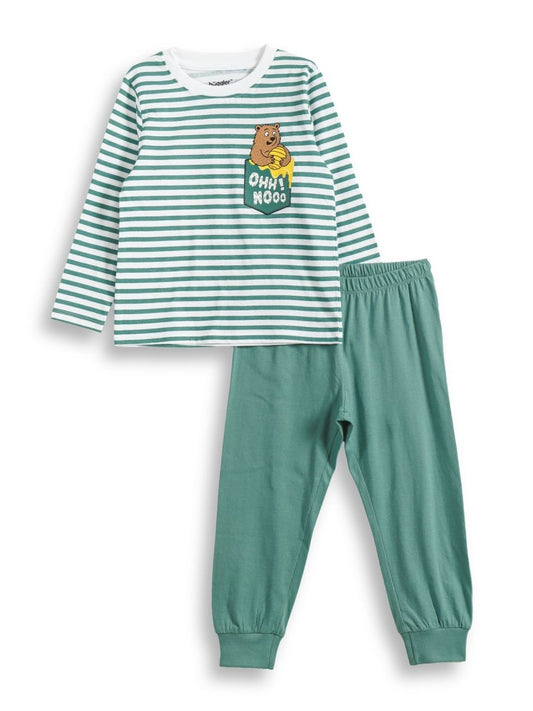
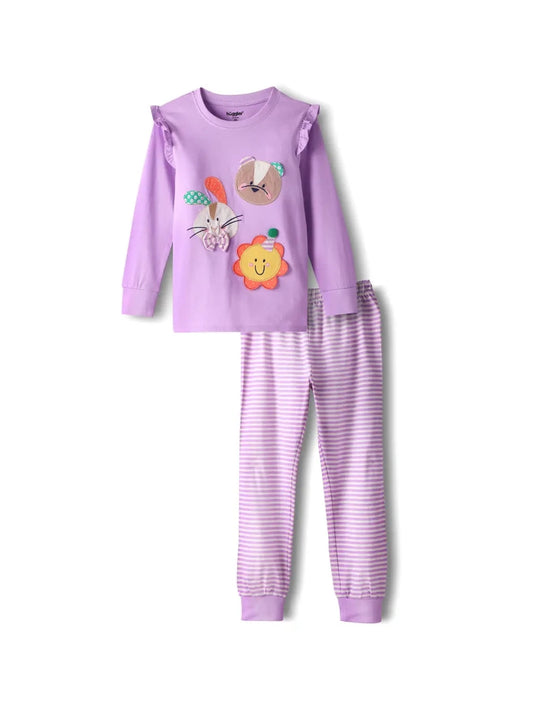
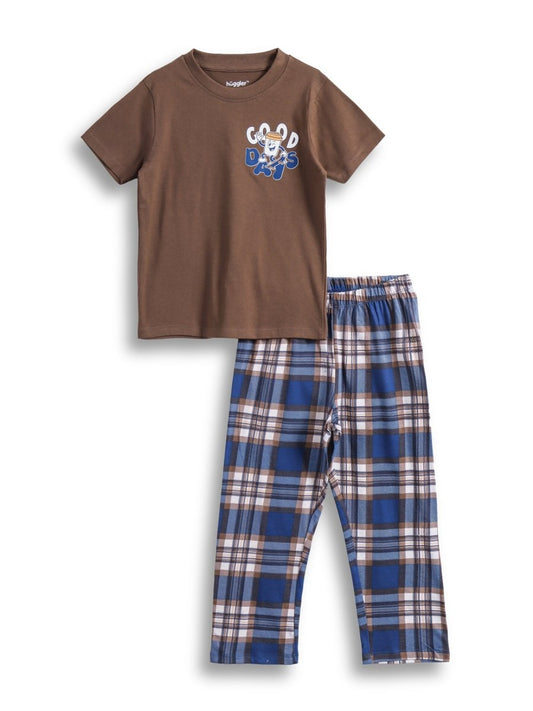
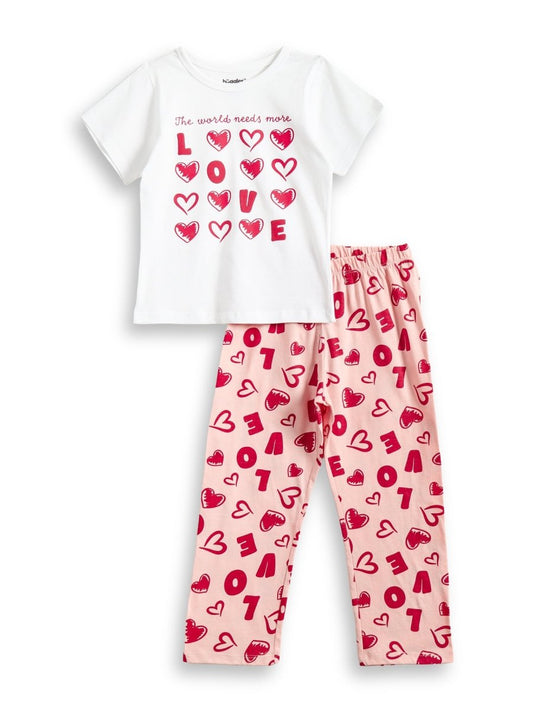
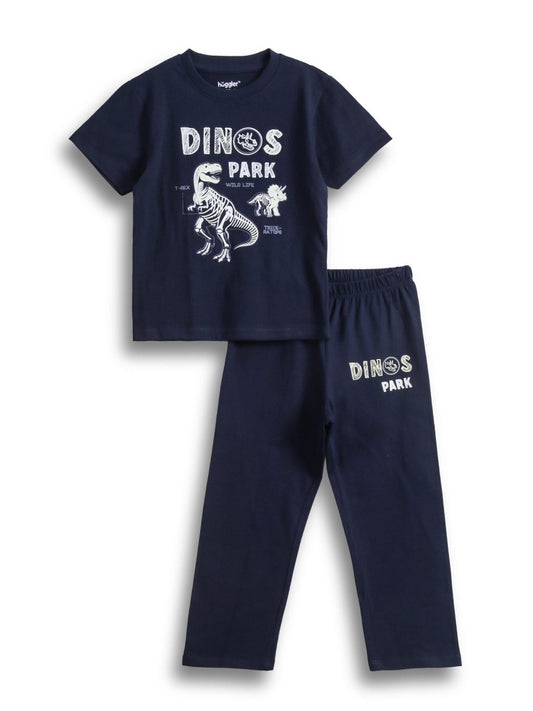
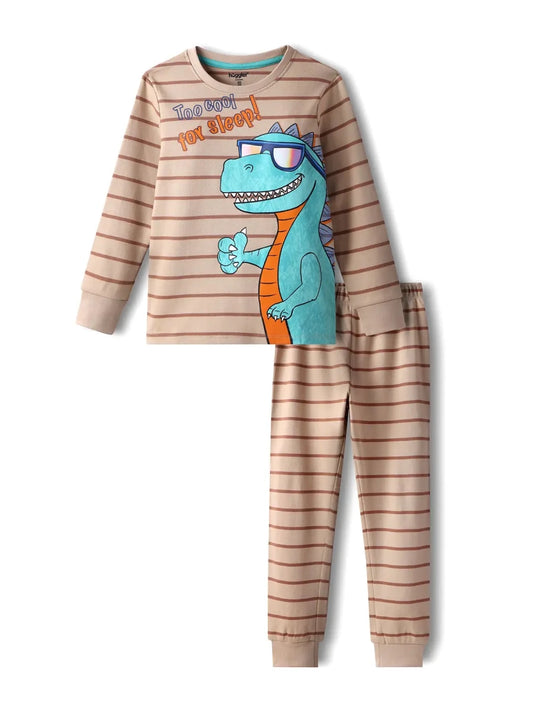
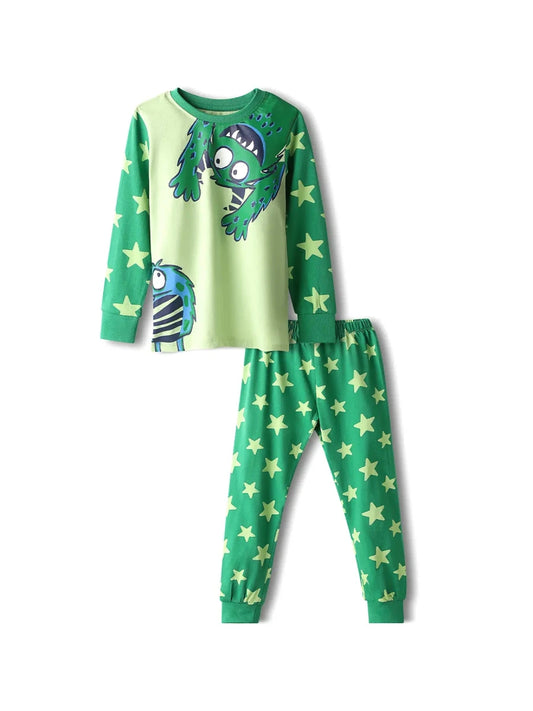
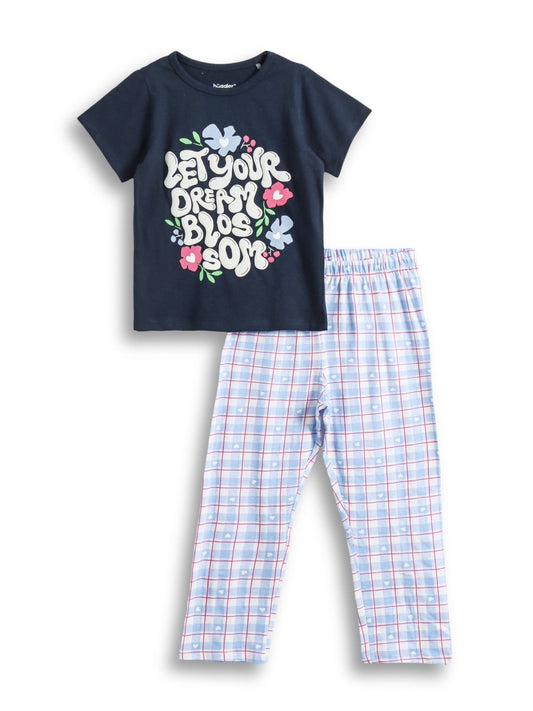
Huggler makes soft, pre-washed cotton night suits in age-based sizes from 2-3Y to 9-10Y. They are the breathable base you can layer under fleece on the coldest nights.
💬 FAQ
Is fleece good for kids' night suits?
Fleece is good for genuinely cold nights because it is warm and light. In warm, humid or heated rooms, breathable cotton is the better, safer choice.
Can fleece make my child overheat at night?
Yes, because fleece traps heat and does not breathe well. Check the back of the neck, and swap to a lighter layer if your child feels sweaty.
What should my child wear under a fleece night suit?
A soft cotton base layer works well, keeping skin comfortable and reducing static. It also lets you remove the fleece if the room warms up.
Is cotton or fleece better for Indian winters?
For most of India's mild winters, breathable cotton plus a light layer is ideal. Save fleece for truly cold regions and hill trips where the extra warmth is genuinely needed.
For year-round, skin-safe sleep, build on our cotton night suits, woven from pre-washed cloth we make ourselves in India. Browse boys' night suits and girls' night suits, then check the size guide for the right fit. 🌙

Written by the huggler team
The designers and parents behind huggler — soft, 100% cotton kidswear with original in-house prints, made in Tirupur and worn by 20,000+ Indian families. We write these guides from what we make and what our customers ask us. About huggler
From huggler
Shop kids' cotton night suits
Soft, pre-washed 100% cotton night suits in age-based sizes, made in Tirupur.
Also useful: Size guide · Fabric guide · FAQ · All parent guides