Cotton vs Fleece Night Suits: Which Is Right for Your Child?
- For most Indian nights, a cotton night suit wins because it breathes.
- A fleece night suit is a winter-only layer, not an all-year choice.
- Fleece traps warmth, so it can overheat kids in mild or humid weather.
- Cotton is the safer, gentler pick for babies and everyday sleep.
For most nights in India, a cotton night suit is the better choice because it breathes and stays gentle on skin. A fleece night suit is only right for genuinely cold winter nights, and can leave kids too warm the rest of the year.
Both feel soft in the shop, so the real difference shows up at 2am, not on the shelf.
The question is rarely which is softer. It is which keeps your child comfortable through the night.
And that answer changes with the season and the room.
For most of the Indian year, that points firmly to cotton.
Fleece has its place, but a much smaller one than the shops suggest.
Here is how the two fabrics compare, so you can pick with confidence.
🧵 Cotton vs fleece: what is the real difference?
Cotton is a natural fibre that lets air and moisture move through it. Heat and sweat escape, so your child stays comfortable.
Fleece is a soft synthetic that holds warmth close. That is great in the cold, and a problem when it is not cold.
One is built to let heat out, the other is built to keep heat in. That single fact drives every choice below.
Cotton also absorbs a little sweat and releases it, so skin stays dry.
Fleece pushes sweat back against the body, which is why it can feel clammy on a mild night.
| Feature | Cotton | Fleece |
|---|---|---|
| Breathability | High, airy | Low, traps heat |
| Warmth | Moderate, layerable | Very warm |
| Best season | Most of the year | Cold winter only |
| On the skin | Soft and gentle | Fluffy, can feel warm |
| Sweaty nights | Stays dry | Can feel clammy |
| Care | Easy, wash cool | Needs gentle, low heat |
🌞 Which is better for summer and humid nights?
Cotton, without question. On hot or muggy nights, breathable cotton lets sweat lift away and helps prevent prickly heat.
Fleece in summer traps heat against the skin, which wakes kids up sticky and restless.
Prickly heat is the common result, especially on the back and neck.
Through the monsoon, cotton that dries fast is far kinder than anything synthetic.
In an AC room, cotton still wins, since the air is cooled but the fabric can still trap heat.
A light cotton set with the fan on beats a warm fleece one nearly every summer night.
Overheating is the main risk with fleece. If your child feels sweaty at the neck, switch back to a light cotton set.
❄️ When is a fleece night suit the right choice?
Fleece earns its place on truly cold nights, especially in hill stations or northern winters without heating.
It is warm, quick to pull on, and cosy for a child who feels the cold.
Even then, treat it as a seasonal tool, not the everyday base your child sleeps in all year.
It also shines for early-morning school runs and chilly car rides in peak winter.
For those few genuinely cold weeks, a fleece layer earns its keep.
Layering thin cotton beats one thick fleece suit. You can peel back a layer at midnight instead of waking a hot, cranky child.
🧥 How do I keep kids warm without heavy fleece?
Layer smart. A full-sleeve cotton night suit with a light warm top over it holds heat you can adjust.
Add socks and a light blanket for the coldest hours, then remove them as the room settles.
Layers give you control that a single thick suit never can.
Start with breathable cotton against the skin, then add warmth on top.
That way the layer touching your child stays soft and sweat-friendly all night.
👶 Which is safer for babies and toddlers?
Cotton is the gentler, safer default for little ones. It is skin-safe and less likely to overheat a baby who cannot kick off a layer.
Young skin is sensitive, so a soft, breathable fabric close to the body is the kinder choice.
Babies cannot tell you they are too warm, which is exactly why breathable beats heat-trapping.
Keep the base layer cotton, and add any extra warmth as a layer you can remove.
That way you never trap a sleeping baby in heat they cannot escape.
For babies, keep sleepwear fitted and cotton. Save fleece for over-the-top layers you can add and remove, not the base layer.
🧺 How do you wash and care for each?
Cotton is forgiving: wash cool, dry in shade, and it keeps its softness for a long time.
It also handles frequent washing well, which sleepwear always needs.
Fleece needs a gentle wash and low heat, or it can pill and lose its fluff.
A pre-washed cotton set also shrinks less, so the fit you buy is the fit you keep.
Fleece can also hold onto smells, so it needs airing between washes.
Cotton washes clean and dries fast, which matters when sleepwear goes through the machine often.
💰 Which lasts longer and gives better value?
Cotton usually wins on value because you can wear it across more of the year.
Fleece sits in the cupboard for the warm months, so you get fewer nights per set.
Cotton sets also pass down more easily, since they suit more of the year for the next child.
If your budget is tight, put it into good cotton first and add one fleece layer for winter.
Cotton (best all-rounder)
- Breathable, all-year use
- Gentle on young skin
- Easy to wash and dry
- Great for hot and humid nights
Fleece (cold-night layer)
- Very warm, winter only
- Can overheat in mild weather
- Needs gentle, low-heat care
- Fewer wearable nights per year
Cotton for everyday sleep, fleece as a targeted winter layer.
🌙 Which one helps kids sleep better?
The one that keeps them at a steady, comfortable warmth. For most homes and most nights, that is cotton.
A child who is neither sweaty nor shivering settles faster and stays asleep longer.
Match the fabric to the room, and you remove one common reason kids stir at night.
Overheating is linked to restless, broken sleep, so a cool, dry child usually sleeps deeper.
Being too cold wakes kids too, which is why a light adjustable layer beats a heavy fixed one.
Aim for steady, gentle warmth, and let the fabric do the balancing for you.
💛 What does Huggler recommend?
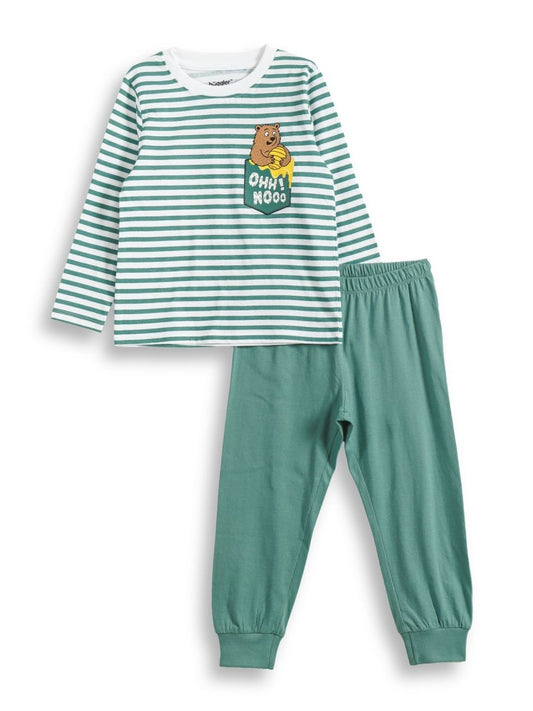
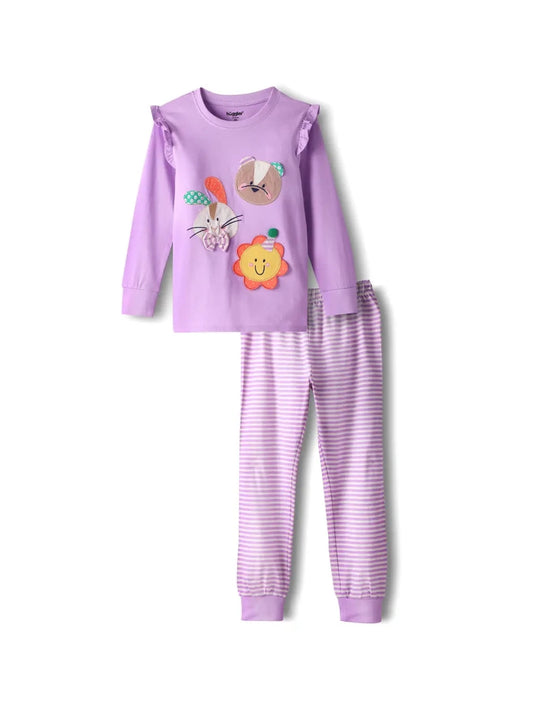
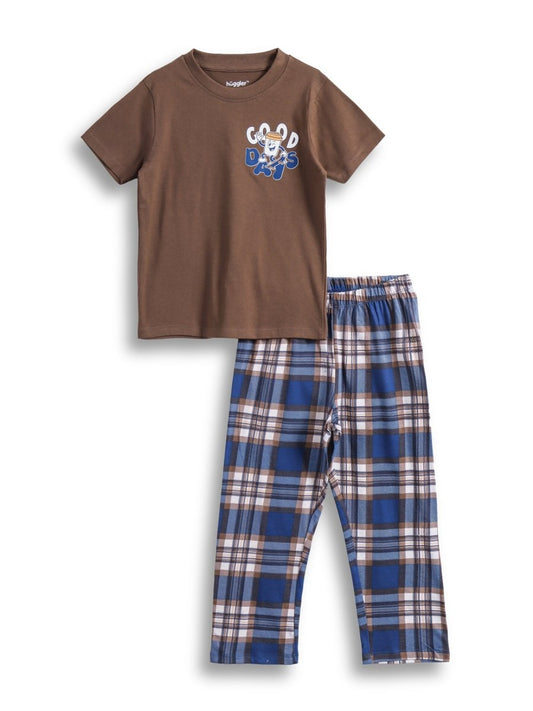
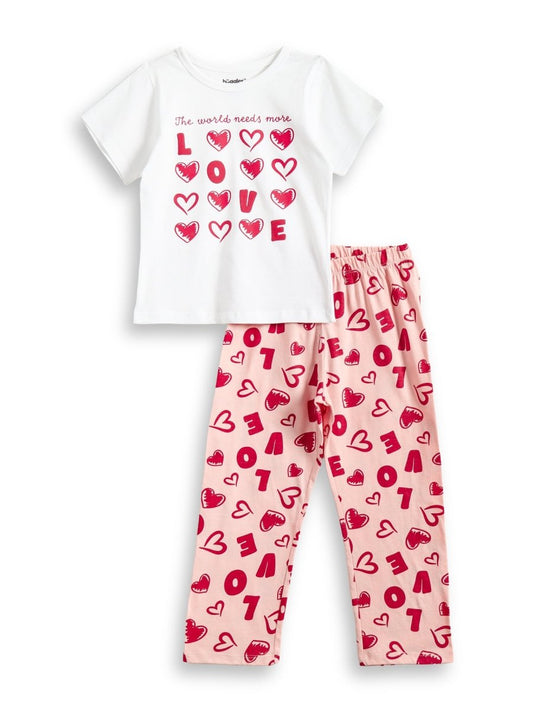
We build our night suits from soft, pre-washed cotton because it fits India's climate for most of the year.
For colder nights, we favour a warm cotton layer over a heavy fleece base, so kids stay cosy without overheating.
Our night suits come in eight age-based sizes from 2–3Y to 9–10Y, in a relaxed fit made to move.
We source our cotton from Tirupur, India's knitwear capital, so we can keep every set soft and skin-safe.
Pick by the room: a cotton night suit for nearly every night, fleece only when it is genuinely cold.
💬 FAQ
Is cotton or fleece better for kids' night suits?
Cotton for most nights, because it breathes. Fleece only for genuinely cold winter weather.
Does fleece make kids overheat?
It can in mild or humid weather. Check the neck, and switch to cotton if they feel sweaty.
Can I use a cotton night suit in winter?
Yes. Choose full sleeves and add a light layer on very cold nights.
Which fabric is safer for babies?
Cotton. It is gentle, breathable, and less likely to overheat a baby than fleece.
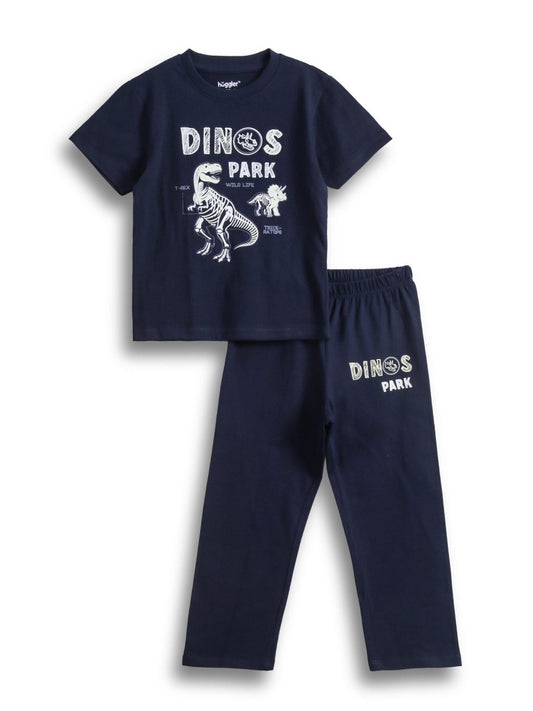
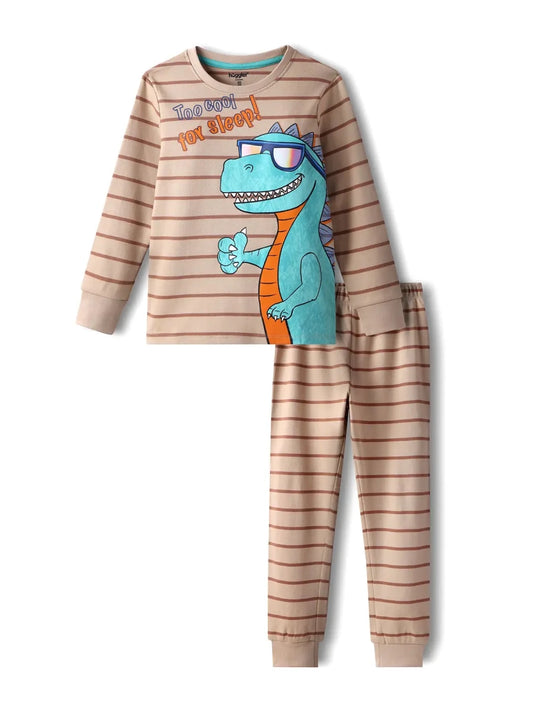
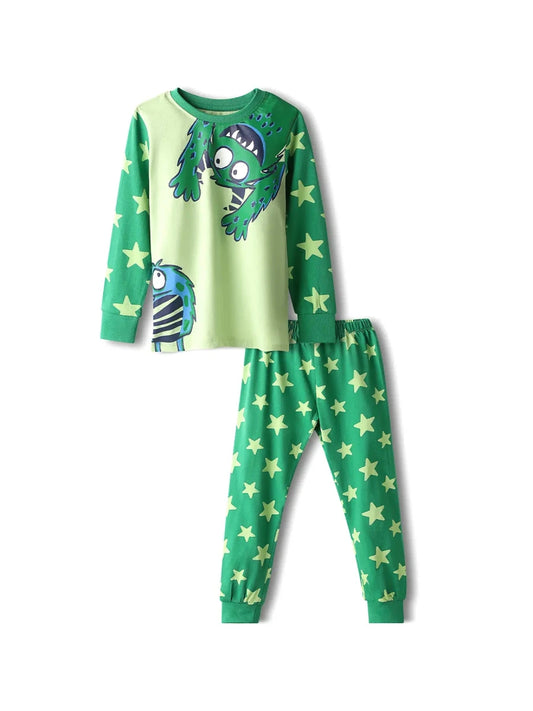
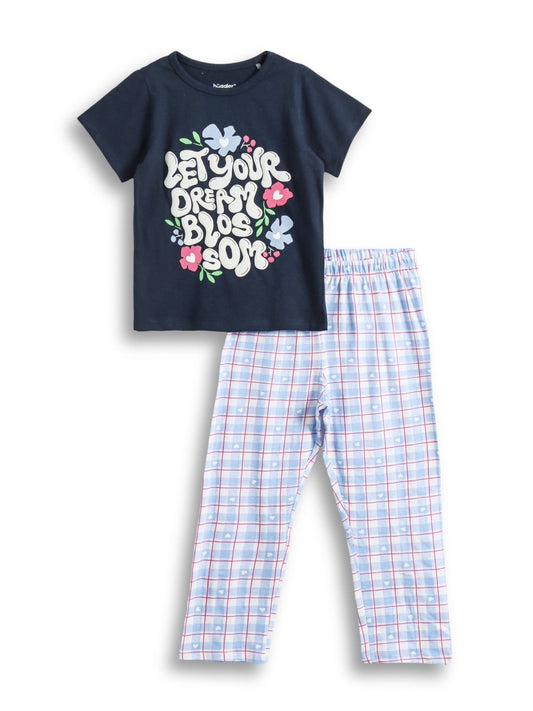
Ready to choose breathable comfort your child can wear all year? Explore our cotton night suits, or shop boys' night suits and girls' night suits. Check the fit first with our size guide. 🧵

Written by the huggler team
The designers and parents behind huggler — soft, 100% cotton kidswear with original in-house prints, made in Tirupur and worn by 20,000+ Indian families. We write these guides from what we make and what our customers ask us. About huggler
From huggler
Shop kids' cotton night suits
Soft, pre-washed 100% cotton night suits in age-based sizes, made in Tirupur.
Also useful: Size guide · Fabric guide · FAQ · All parent guides