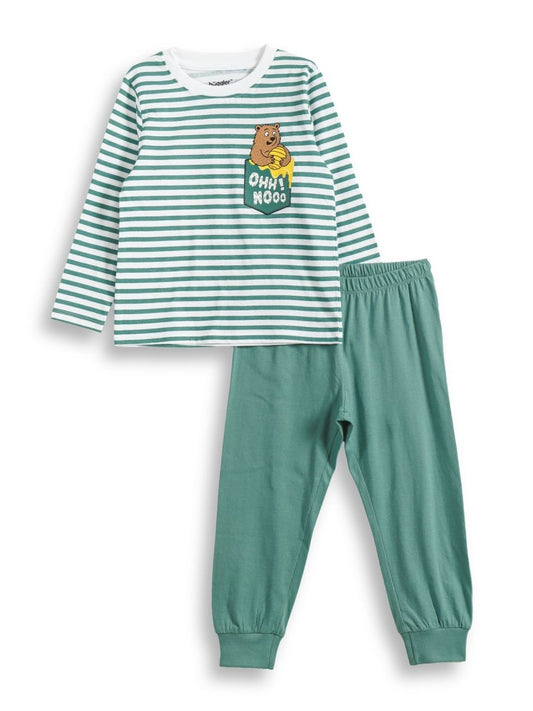
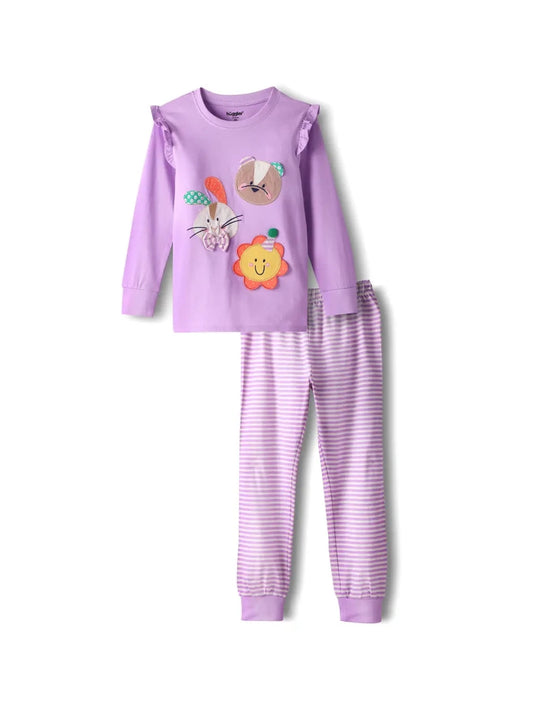
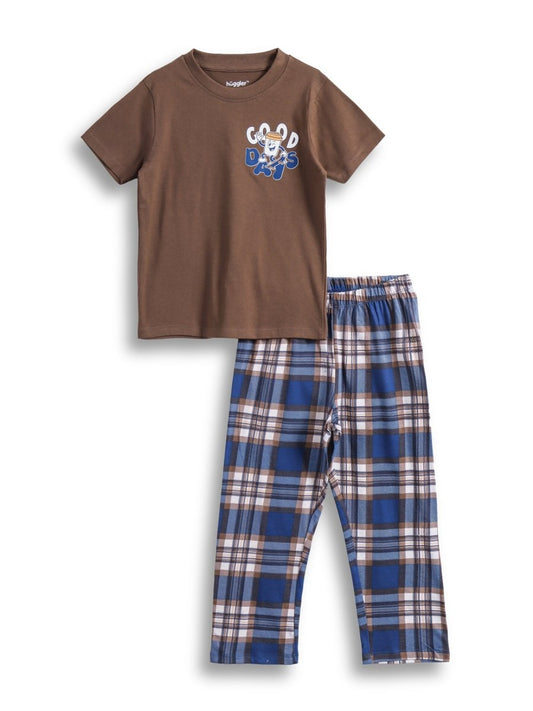
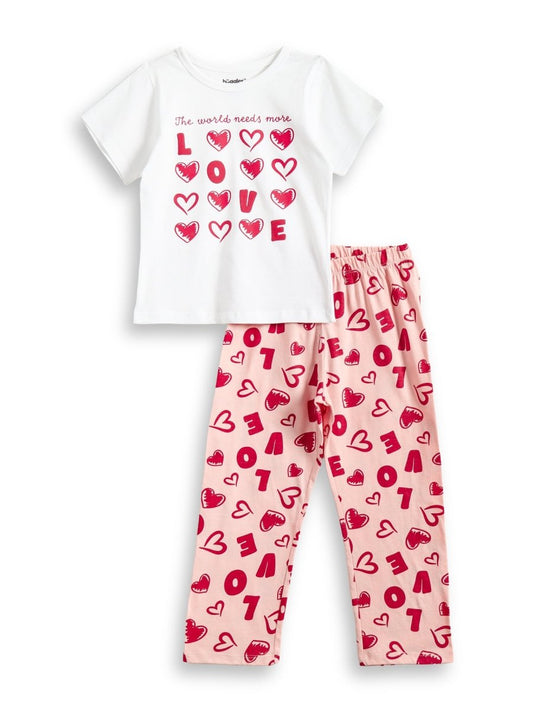
The Best T-Shirt Fabric for Kids (and Why GSM Matters)
- The best t-shirt fabric for kids is soft, breathable cotton.
- GSM is the weight of the cloth: lighter for summer, mid-weight for everyday.
- Cotton beats polyester for skin comfort and sweat in Indian weather.
- Huggler tees use pre-washed cotton in eight sizes, 2–3Y to 9–10Y.
The best t-shirt fabric for kids is soft, breathable cotton, ideally pre-washed so it keeps its shape. Cotton lets skin breathe, soaks up sweat and stays gentle all day, which matters far more for a child than any print or logo.
Here is how the common fabrics compare, what GSM really means, and how to spot good cloth before you pay for it.
🧵 What is the best t-shirt fabric for kids?
Cotton, for daily wear, and especially in a hot, humid country.
It is the fabric most Indian parents grew up in, for good reason. It suits the climate and it suits young skin.
Cotton is soft against delicate skin and lets heat and sweat escape instead of trapping them.
Cotton jersey, the smooth knit most tees are made from, is light, stretchy and easy to move in.
Blends and synthetics have their place for sport, but for everyday comfort, cotton is hard to beat.
The reason is simple: cotton fibres are soft and let air pass through, so heat does not build up against the skin.
That airflow is why a cotton tee feels cool at 2pm in May, while a synthetic one can feel like cling film.
| Fabric | Breathable | Soft on skin | Handles sweat |
|---|---|---|---|
| Pure cotton | Yes, very | Yes | Soaks it up |
| Poly-cotton blend | Fairly | Mostly | Okay |
| Mostly polyester | Not really | Can feel plasticky | Traps it |
📊 What is GSM, and why does it matter?
GSM means grams per square metre. It is simply how much a piece of the cloth weighs.
A higher number does not always mean better. It means heavier, which is great in winter and too warm for a May afternoon.
A lower GSM tee is thin and airy, great for peak summer. A higher GSM tee is thicker and more hard-wearing.
Neither is better on its own. The right GSM simply matches the season and how hard the tee will be worn.
For kids' tees, a light-to-mid weight is the sweet spot: cool enough for the heat, sturdy enough for rough play.
Think of GSM like the thickness of paper. Printer paper versus card: same material, very different weight and feel.
You rarely need the number on the label. A quick feel of the cloth tells you most of what GSM would.
| Rough GSM band | Feel | Best for |
|---|---|---|
| Lighter | Thin, airy | Hot summer days |
| Mid-weight | Sturdy, holds shape | Everyday play |
| Heavier | Warm, thick | Sweatshirts, winter layers |
GSM is a guide, not the whole story. A well-made mid-weight cotton tee often outlasts a heavier one with loose knitting or weak seams.
🌞 Which fabric is best for Indian summers?
Light, breathable cotton is the clear winner for hot, sticky months.
Humidity is the real enemy across much of India. Cloth that lets sweat evaporate keeps a child comfier than cloth that soaks and stays wet.
It pulls sweat away from the skin and dries quickly, which helps keep prickly heat at bay.
Thick synthetics do the opposite, holding heat and moisture close to the body.
The cut helps as well. A slightly loose tee lets air move around the body, so your child stays drier on a humid day.
Our cotton shorts sets pair an airy tee with shorts, which is the easiest way to keep kids cool from morning to evening.
In summer, choose lighter cotton and a looser cut. Airflow around the body matters as much as the fabric itself.
❄️ What fabric suits cooler months?
A mid-weight cotton tee works well as a base layer under a sweatshirt.
Layering beats one thick top for a reason. You can peel a layer off in a warm classroom and add it back outdoors.
Full-sleeve cotton tees add a little warmth without the sweaty feel of synthetics.
They also guard little arms from the sun on bright winter mornings, which is handy for outdoor play.
For real cold, layer cotton pieces rather than reaching for one thick synthetic top, so your child stays warm but can shed a layer indoors.
Cotton is forgiving indoors and out. It warms up under a jumper but never turns clammy the moment your child runs around.
✅ Is cotton really better than polyester?
For a child's daily t-shirt, yes, in most cases.
The exception is heavy sport or rain, where a quick-drying synthetic earns its keep for a short while.
Cotton is more breathable, softer on skin-safe terms, and far kinder in the heat.
Polyester dries fast and resists creasing, which suits sportswear, but it can feel clammy and hold on to smells.
A high-cotton blend is a reasonable middle ground: mostly cotton comfort with a little extra durability.
Read the label percentages, not just the word blend. A poly-cotton tee that is mostly cotton behaves very differently from one that is mostly polyester.
🧺 How does fabric affect how long a tee lasts?
Good cotton, knitted well, resists pilling and keeps its shape wash after wash.
Pilling is those little fabric balls that form with rubbing. Better cotton, spun from longer fibres, resists them for far longer.
Cheap, thin cloth thins out, goes see-through and loses its neck within a month.
Pre-washed cotton also shrinks less after you take it home, so the fit you buy is the fit you keep.
Seams and stitching matter too. Twin-needle hems and a well-set neck are what stop a good fabric coming apart at the edges.
Turn tees inside out and wash them cool. It protects both the fabric and the print, whatever the GSM.
👕 How can I spot good fabric before buying?
You can judge a lot with your hands and eyes in a few seconds.
Trust your fingers over the marketing. The label can say a lot, but the hand-feel of the cloth rarely lies.
- Feel it. Good cotton is soft and cool, not papery or plasticky.
- Hold it to the light. If you can see straight through, it is too thin.
- Stretch the neck. It should spring back, not stay stretched.
- Check the label. Look for cotton or a high-cotton blend, and pre-washed if stated.
Four quick checks to sort good cloth from cheap cloth.
Huggler makes its own cotton in Tirupur, India's knitwear capital in India, so we check softness and quality from cloth to finished tee. Our kids' size guide helps you match age to the right fit.
Buying good fabric once beats replacing cheap tees three times. It is gentler on your child's skin and on your wallet across a year.
Do not let a bold price or print distract you from the cloth. A cheap synthetic tee costs more in comfort and replacements over a year.
💬 FAQ
What is the best t-shirt fabric for kids?
Soft, breathable cotton is best for daily wear, as it is gentle on skin and handles sweat well. Cotton jersey is the most common and comfy choice.
What GSM is good for a kids' t-shirt?
A light-to-mid weight is ideal: airy enough for Indian heat, sturdy enough for play. Heavier GSM is better kept for sweatshirts and winter layers.
Is polyester bad for kids' t-shirts?
It is not unsafe, but it is less breathable and can feel sticky in the heat. Cotton or a high-cotton blend is kinder for everyday wear.
Does pre-washed cotton really shrink less?
Yes. Pre-washing does most of the shrinking before you buy, so the tee keeps close to its size after your own washes.
Choose the cloth first and the rest falls into place: soft cotton, the right weight for the season, and a fit that lets your child move. Browse our breathable cotton shorts sets and feel the difference good fabric makes. 🧵

Written by the huggler team
The designers and parents behind huggler — soft, 100% cotton kidswear with original in-house prints, made in Tirupur and worn by 20,000+ Indian families. We write these guides from what we make and what our customers ask us. About huggler
From huggler
Shop kids' cotton night suits
Soft, pre-washed 100% cotton night suits in age-based sizes, made in Tirupur.
Also useful: Size guide · Fabric guide · FAQ · All parent guides