The Best Fabrics for Kids' Clothes (and Which to Avoid)
- The best fabric for kids' clothes is soft, breathable cotton.
- Cotton lets heat and sweat escape, so kids stay cool and dry.
- Mostly-cotton blends are fine; heavy polyester and nylon are best limited.
- Match the fabric weight to the season, not the fibre.
The best fabric for kids' clothes is soft, breathable cotton, because it lets heat and sweat move away from the body while staying gentle on delicate skin. Cotton keeps children cool in summer, layers warm in winter, and rarely irritates sensitive skin.
Fabric decides how a garment feels at 2pm in the sun and at 2am under a blanket. The print sells it, but the cloth is what your child actually lives in.
Get the fabric right, and comfort, skin health and how long clothes last all follow.
Here is how the common fabrics rank, and which ones to keep off little bodies.
🧵 What is the best fabric for kids' clothes?
Cotton, in nearly every case. It is a natural fibre that breathes, absorbs light sweat, and feels soft from the very first wear.
For daywear, sleepwear and play, a mostly-cotton garment keeps a child comfortable across the whole day.
Lighter cotton weaves like muslin suit hot months, while a heavier cotton knit holds gentle warmth for winter.
One fibre family, adjusted by weight, covers most of a child's wardrobe.
Cotton is also easy to find, easy to wash, and easy on the budget over time.
That mix of comfort and everyday practicality is why it stays the default for kids.
Read the fabric before the price tag. A skin-safe cotton piece beats a cheaper synthetic one on almost every measure that matters for kids.
🌬️ Why does breathability matter so much?
Children run warmer than adults and sweat faster during play. Breathable cloth lets that heat escape instead of holding it against the body.
In India's heat and humidity, good airflow also helps keep prickly heat and rashes away.
A fabric that seals in sweat leaves skin damp, itchy and quick to irritate.
Airflow is the one quality that separates comfortable clothes from sticky ones.
You can feel the difference within minutes of a child starting to run around.
If your little one fusses or scratches by evening, the fabric is often the first thing to check.
Adults sometimes forget how much kids move, even in their sleep. A breathable set keeps up with all that motion without turning damp.
📊 How do common kids' fabrics compare?
Not all cloth behaves the same on a warm, active child. Here is the honest comparison.
| Fabric | Breathability | Best for | Watch out |
|---|---|---|---|
| 100% cotton | High | Everyday wear, sleep | Can crease |
| Muslin / malmal | Very high | Summer, babies | Thin, delicate |
| Cotton blend (mostly cotton) | Good | Play, daily use | Check the ratio |
| Cotton jersey knit | High, stretchy | T-shirts, comfy fits | Quality varies |
| Polyester | Low | Rainwear, sportswear | Traps heat |
| Nylon | Low | Outer layers only | Not for base layer |
👶 Which fabrics are gentlest on sensitive skin?
Soft, smooth cotton and malmal are the kindest against young skin. They give a gentle surface with little to rub or react against.
Flat seams and soft labels matter too, since rough stitching can irritate even inside a good fabric.
For eczema-prone or reactive skin, a plain cotton base layer usually causes the least trouble.
Keep the layer touching the skin natural, and save any synthetic for an outer layer on top.
Neck and waist tags are a common hidden irritant, so look for printed or very soft labels.
When in doubt, a plain cotton vest under an outfit gives the skin a soft, safe base.
Wash new clothes once before the first wear. It lifts surface residue and leaves the fabric at its softest against the skin.
⚠️ Which fabrics should you avoid or limit?
Heavy polyester, nylon and shiny synthetics are the ones to limit, especially as a base layer.
They trap heat, hold sweat against the skin, and can feel clammy by the middle of the day.
They are not a problem for a raincoat or a sports jersey, where quick-dry actually helps.
The real issue is wearing them all day next to the skin in a hot climate.
Blends sit in the middle, and a mostly-cotton blend is usually a safe, comfortable pick.
Check the percentage on the label, since a high synthetic share behaves like pure synthetic.
Cheap fast fashion often leans on synthetics to keep costs low. The saving usually shows up as heat and pilling within a few washes.
Very cheap, shiny sets are usually high in synthetics. Feel the cloth: if it is slick or squeaky, it will likely trap heat by midday.
🌞 Does the best fabric change with the season?
You change the weight, not the fibre. Light cotton and muslin for summer, full-weight cotton for winter.
Through the monsoon, cotton that dries fast beats heavy synthetics that stay damp and start to smell.
In an AC room, treat it like a cool night and reach for a slightly warmer cotton layer.
A simple trick is to keep two piles, a light summer set and a warmer winter set.
Rotate them as the weather turns, and you rarely need to rethink fabric again.
Keeping the fibre constant makes hand-me-downs easier too. A cotton set that suited your first child usually suits the next one.
🧶 Are natural fibres always the safest bet?
For clothes that touch the skin all day, natural fibres like cotton are the safest starting point.
They breathe, absorb sweat, and rarely react against young skin.
Synthetics still earn their place in rainwear and sportswear, where quick-dry beats airflow.
The simple rule is natural next to the skin, synthetic only for the outer layer.
Get that one habit right, and most fabric worries take care of themselves.
🔍 How do I check fabric quality before I buy?
You can judge a lot in a few seconds, even online through the product description.
- Feel it. Soft and cool to touch, never slick or plasticky.
- Read the label. Look for 100% cotton or a high-cotton blend, pre-washed.
- Hold it to light. Even weave, with no thin see-through patches.
- Stretch gently. It should spring back, not stay stretched out.
Four quick checks that separate real, comfy cotton from a synthetic in disguise.
Pre-washed cotton shrinks less, so the size you buy stays close to the size you keep after laundry day.
💛 What fabric does Huggler use?
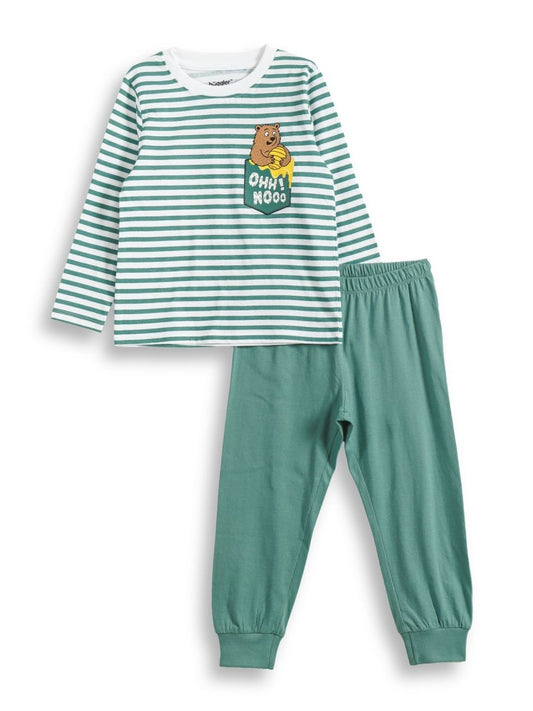
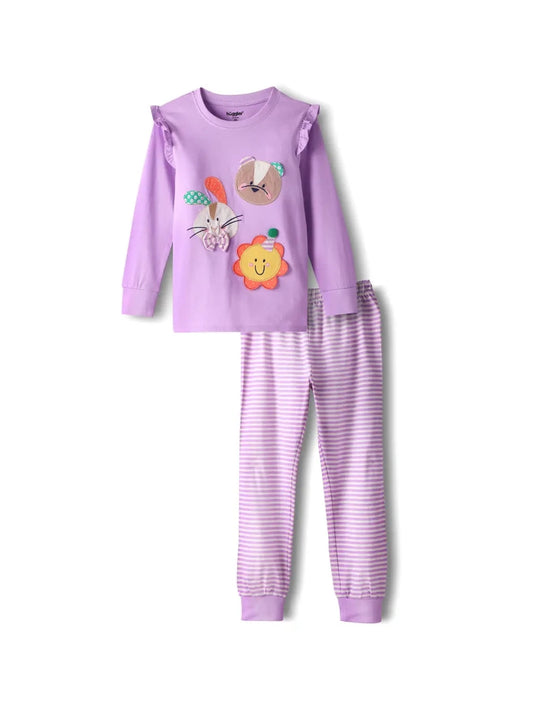
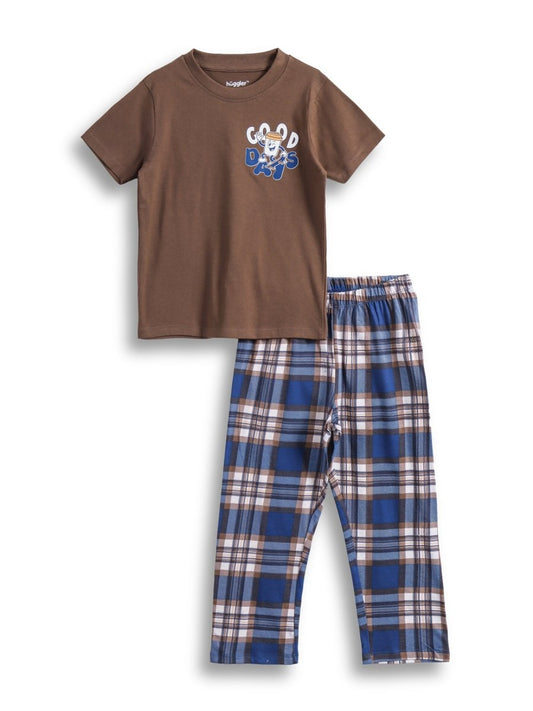
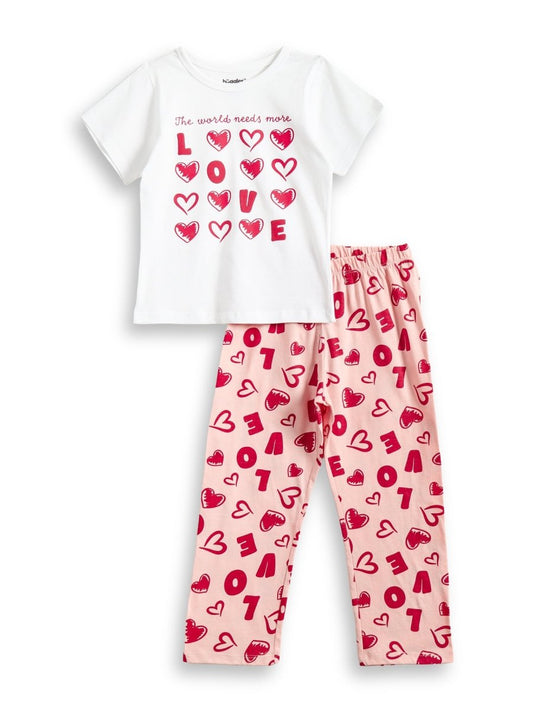
We make our clothes from soft, pre-washed cotton because it fits India's climate and stays gentle on kids' skin.
We source our cotton from Tirupur, India's knitwear capital, so we can keep every piece breathable and skin-safe.
Our sets come in eight age-based sizes from 2–3Y to 9–10Y, in a relaxed fit made to move.
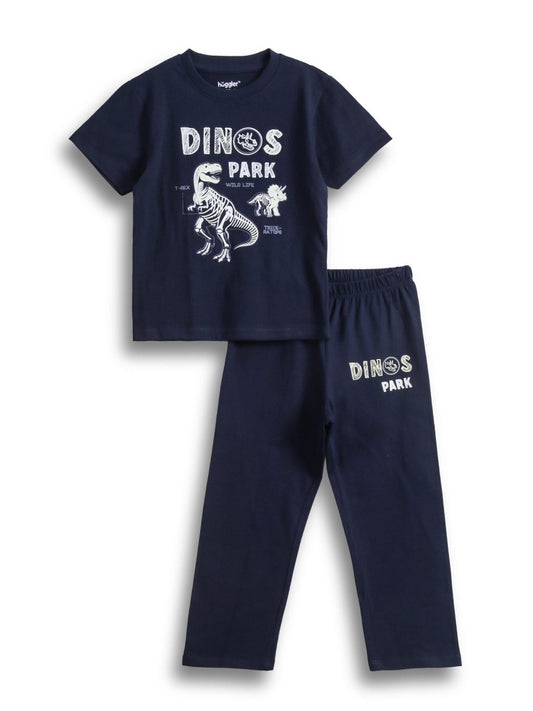
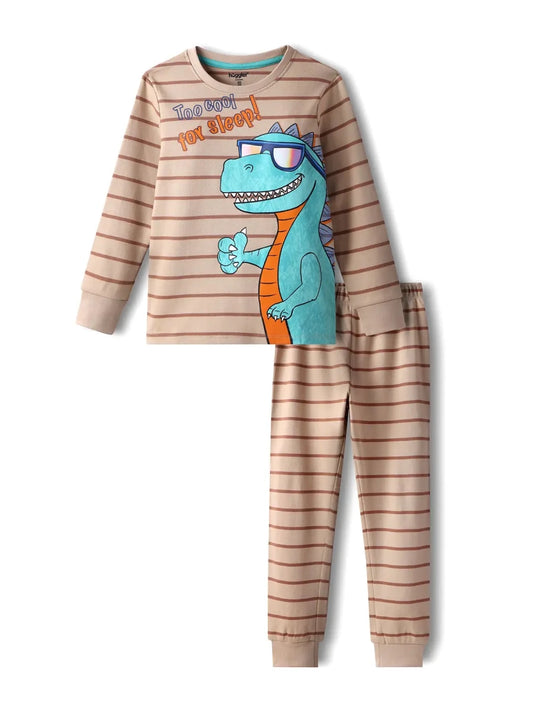
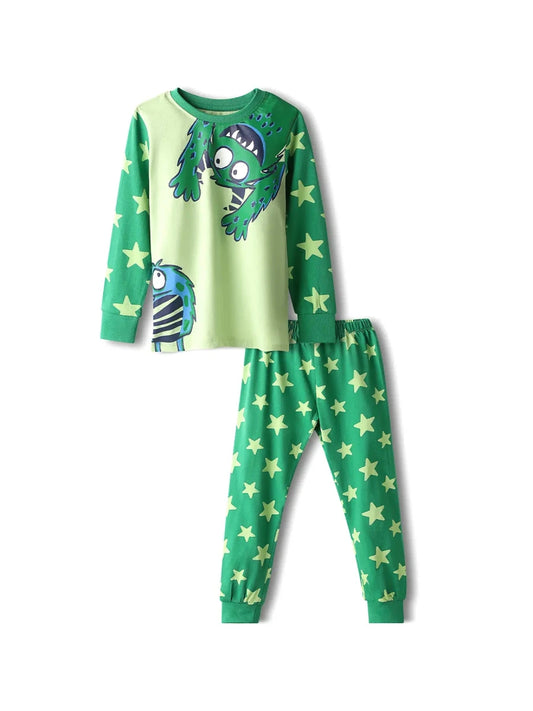
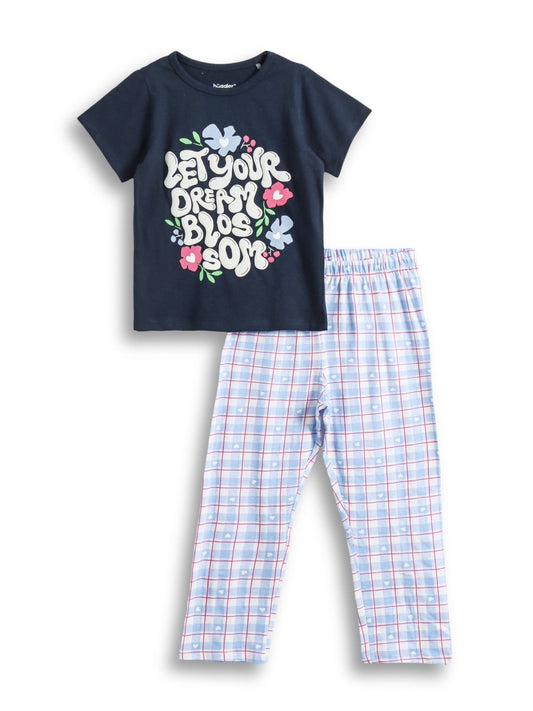
Whether it is a night suit, a t-shirt or a shorts set, the fabric is chosen to feel kind first.
Because we choose the cloth, we can keep it soft from the first wash to the last.
We would rather a set feel lovely for years than look flashy for a week. That is the quiet promise behind every piece.
💬 FAQ
What is the safest fabric for kids' clothes?
Soft, breathable cotton. It is gentle on skin, lets heat escape, and rarely causes irritation.
Are cotton blends okay for children?
Yes, if they are mostly cotton. A high-cotton blend keeps most of the breathability while adding a little stretch.
Is polyester bad for kids?
It is fine for rainwear or sportswear, but not ideal as an all-day base layer because it traps heat.
What fabric is best for Indian summers?
Light cotton or muslin. Both breathe well and help keep prickly heat away on hot, humid days.
Give their skin cloth that breathes all day. Explore our cotton night suits and easy shorts sets, then check the fit with our size guide before you buy. 🧵

Written by the huggler team
The designers and parents behind huggler — soft, 100% cotton kidswear with original in-house prints, made in Tirupur and worn by 20,000+ Indian families. We write these guides from what we make and what our customers ask us. About huggler
From huggler
Shop kids' cotton night suits
Soft, pre-washed 100% cotton night suits in age-based sizes, made in Tirupur.
Also useful: Size guide · Fabric guide · FAQ · All parent guides