The Bedtime Routine That Actually Gets Kids to Sleep
- A good bedtime routine for kids is the same calm steps, in the same order, every night.
- Start winding down about 30 to 45 minutes before sleep.
- Dim lights, switch off screens, and end with something quiet like a story.
- Comfy, breathable sleepwear is the last small step that helps kids settle.
A bedtime routine for kids works best when it is the same short set of calm steps, in the same order, every single night. Start about 30 to 45 minutes before sleep, dim the lights, put screens away, and end with something quiet.
The magic is not any one step, it is the repetition, which tells a child's body that sleep is coming.
Below is a routine you can copy tonight, plus how to fix the parts that usually go wrong.
Keep it short and steady, and most kids settle far faster within a week or two.
🌙 What does a good bedtime routine look like?
Simple, calm and predictable, with the last half hour getting gradually quieter.
Three or four steps is plenty, since a routine you can keep beats a perfect one you cannot.
The same order each night is what does the heavy lifting.
Over time, each step becomes a small cue that the next one, and eventually sleep, is coming.
That is why the order matters as much as the steps themselves.
- Warm bath. A quick wash signals the day is winding down.
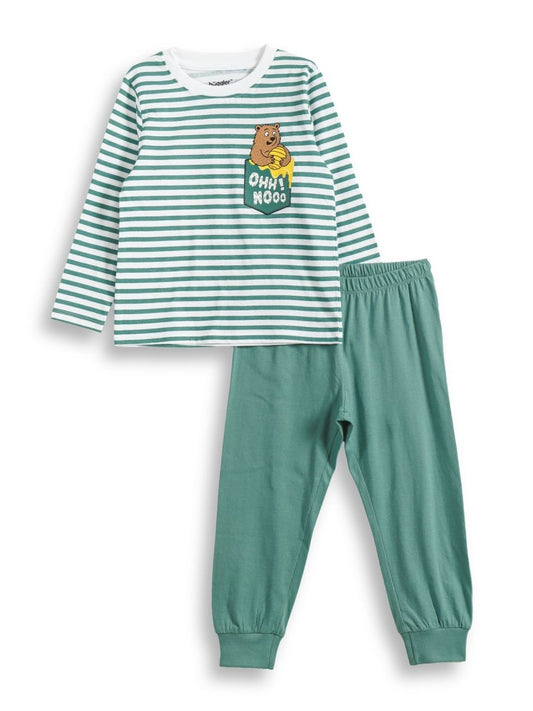
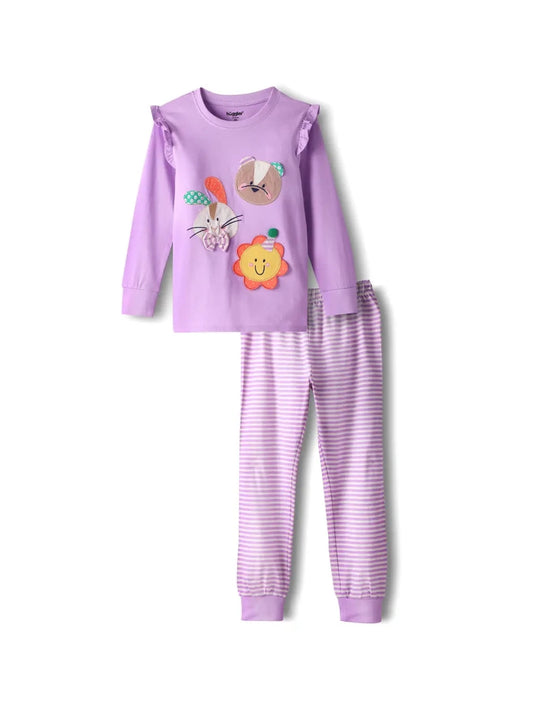
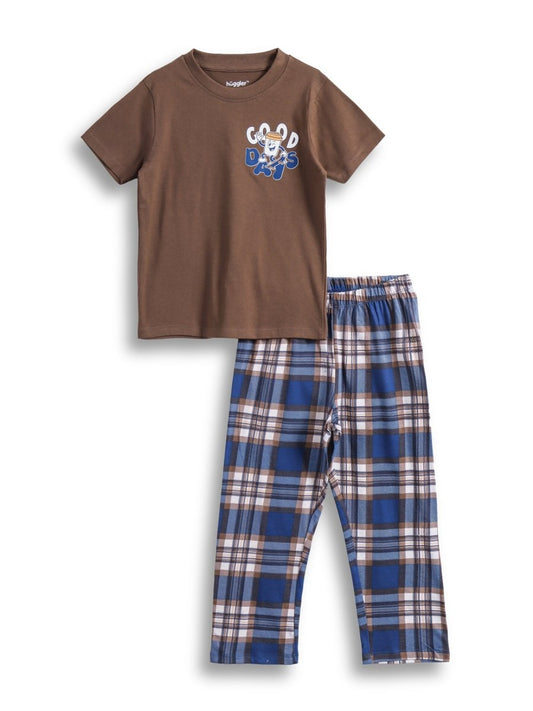
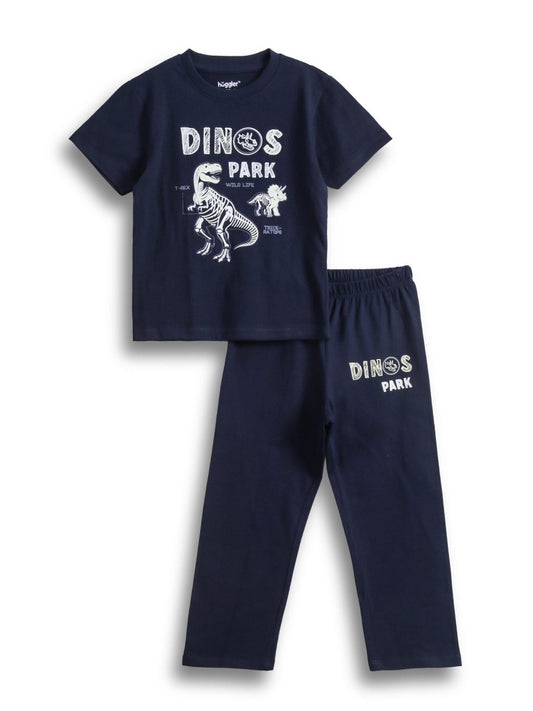
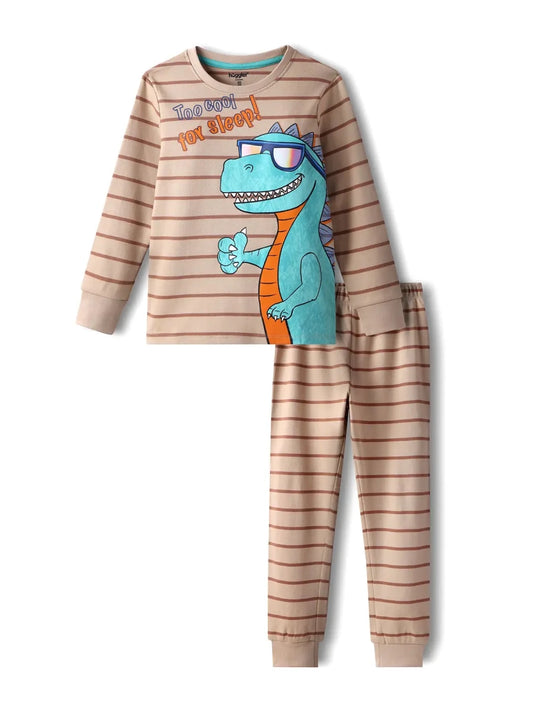
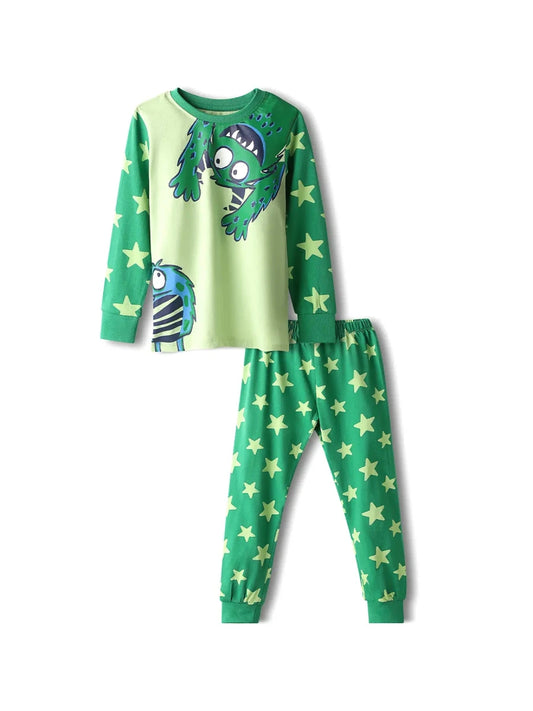
- Into pyjamas. Change into soft, breathable cotton sleepwear.
- Brush teeth. A short, steady step every night.
- Quiet story. One or two books in dim light.
- Lights out. A cuddle, goodnight, and sleep.
A five-step wind-down most families can keep every night.
⏰ What time should the routine start?
Begin the wind-down 30 to 45 minutes before you want your child asleep.
Work backwards from a realistic bedtime, then keep it steady, even on weekends.
A consistent bedtime is one of the biggest levers you have.
Watch for the first yawns and eye-rubbing, and start before your child is overtired.
Catching that early window is far easier than settling a child who has tipped past it.
| Age | Typical bedtime | Wind-down |
|---|---|---|
| Toddlers (2–3y) | 7:00–8:00 pm | 30–45 min |
| Preschool (3–5y) | 7:30–8:30 pm | 30–45 min |
| School age (6–10y) | 8:00–9:00 pm | 20–30 min |
These are gentle guides, so shift them to suit your child and your evenings.
🛁 What are the steps of a calming routine?
Bath, pyjamas, teeth, story, lights out is a reliable order that flows from active to still.
Each step should feel calmer than the one before, easing your child down toward sleep.
Keep voices soft and lights low once the story begins.
Save rough-and-tumble play for earlier in the evening, well before the wind-down starts.
A short cuddle or a few quiet words at the end tells your child they are safe to drift off.
Lay out tomorrow's clothes and pack the school bag before the routine starts. A calmer parent makes for a calmer bedtime.
📵 How do screens affect the routine?
Screens are the most common thing that wrecks a good wind-down.
Their bright light and fast pace keep the brain alert when it should be slowing.
Switch screens off at least an hour before bed, and keep them out of the bedroom.
If a show is part of the evening, put it before dinner, not before sleep.
Swap the screen for something with your hands, like a puzzle, drawing or a book.
A "last video" rarely stays last. Trade screen time for a book or quiet chat, and the whole routine gets easier.
👕 Does what they wear matter at bedtime?
Yes, more than most parents expect, because comfort is part of the signal to sleep.
Soft, breathable cotton keeps a child at a steady warmth, so they are not too hot or too cold.
A scratchy tag or a clingy synthetic can nudge a child awake without anyone knowing why.
Changing into pyjamas also becomes a cue in itself, marking the shift from day to night.
Match the sleepwear to the season: light and half-sleeve for heat, full-sleeve cotton once it turns cold.
Skip stiff prints and scratchy tags, which are the small irritations that break a settled sleep.
Make "getting into pyjamas" a fixed step, not an afterthought. A soft, familiar night suit is a gentle signal that sleep is next.
💤 How long until a routine actually works?
Give it one to two weeks of doing the same steps every night.
The first few nights can be bumpy while your child learns the new pattern.
Consistency, not speed, is what makes a routine stick, so keep going.
Once it lands, bedtime stops being a battle and starts to run almost on its own.
Travel and late nights will happen, and that is fine, just return to the routine the next day.
🧸 What if my child fights bedtime?
Stay calm and keep the steps the same, since predictability lowers the resistance over time.
Offer small, fixed choices, like which of two books or which pyjamas, so they feel in control.
Keep the room cool, dark and quiet, and avoid big excitement in the last half hour.
A dim night light and a favourite soft toy can settle a child who is anxious in the dark.
Answer the "one more" requests calmly and briefly, then hold the boundary with warmth.
If a child keeps getting up, walk them back gently and quietly, without turning it into a chat.
Same steps, same order, every night. A calm bedtime routine plus comfy sleepwear is what settles kids fastest.
🍼 How is a baby's bedtime routine different?
Babies thrive on the same idea, just shorter and softer.
A feed, a fresh nappy, into breathable sleepwear, then a quiet cuddle works well.
Keep the room dim and the mood calm, and try to lay baby down drowsy but awake.
Consistency helps little ones start to tell day from night over the first months.
Keep night feeds calm and low-lit, so baby learns that night-time stays quiet.
A predictable pattern now lays the groundwork for easier bedtimes as they grow.
💛 The Huggler bedtime tip
We make our night suits from soft, pre-washed, skin-safe cotton that breathes through the night.
They come in eight age-based sizes from 2–3Y to 9–10Y, in a relaxed fit made to move and roll.
Playful prints your child loves make "pyjama time" a step they look forward to.
Letting your child pick tonight's pair turns getting changed into part of the fun.
We source our cotton from Tirupur, India's knitwear capital, so every set stays gentle wash after wash.
Because the cotton is pre-washed, it stays soft and holds its fit, wash after busy wash.
Sleepwear goes through the machine often, so fabric that stays soft really earns its place.
Get the last step right, and the whole routine ends on comfort.
Our sizes run from 2–3Y to 9–10Y, all made in India from cloth we use ourselves.
💬 FAQ
What is a good bedtime routine for kids?
The same calm steps each night: bath, pyjamas, teeth, a quiet story, then lights out.
How long before bed should the routine start?
About 30 to 45 minutes, with the last half hour getting gradually quieter.
Do screens really affect kids' sleep?
Yes. Bright, fast screens keep the brain alert, so switch them off an hour before bed.
Does sleepwear affect how well kids sleep?
It helps. Soft, breathable cotton keeps a steady warmth so kids settle and stay asleep.
Make pyjama time the cosiest step of the night with soft cotton night suits, or browse boys' and girls' prints your child will actually ask to wear. Check the fit with our size guide. 🌙

Written by the huggler team
The designers and parents behind huggler — soft, 100% cotton kidswear with original in-house prints, made in Tirupur and worn by 20,000+ Indian families. We write these guides from what we make and what our customers ask us. About huggler
From huggler
Shop kids' cotton night suits
Soft, pre-washed 100% cotton night suits in age-based sizes, made in Tirupur.
Also useful: Size guide · Fabric guide · FAQ · All parent guides