Baby Pyjamas: A New Parent's Guide to Safe, Cosy Sleep
- The safest baby pyjamas are soft, loose and made of breathable cotton.
- Dress for the room so your baby stays warm but never overheats.
- Skip hoods, strings, tight elastic and rough tags.
- Keep several pairs, and always wash new pyjamas before first wear.
The best baby pyjamas are soft, loose cotton that lets heat escape and feels gentle on new skin. For calm, safe sleep, choose breathable cotton and dress your baby for the temperature of the room.
Bedtime is where new parents worry most, so let us keep it simple and practical. A few clear rules cover almost every night.
🌙 What are baby pyjamas?
Baby pyjamas are the clothes your little one sleeps in. They can be a one-piece sleepsuit or a soft two-piece set.
The job is the same either way. Keep your baby comfortable, cover the body gently, and let air move so skin stays dry.
Sleepwear is different from daywear. It should be softer, looser and free of anything stiff, because your baby lives in it for long, still hours.
Good pyjamas make bedtime easier for everyone. A comfy baby settles faster and stirs less.
In India, the right pair also depends on the room. A fan, an AC or an open monsoon window all change what your baby needs to wear.
🧵 What fabric is safest for baby pyjamas?
Soft cotton is the go-to. A cotton weave breathes, absorbs light sweat and feels kind against delicate skin.
We use pre-washed cotton so it is soft from the very first wear. That matters when the fabric sits against your baby all night.
Shiny polyester and thick synthetics trap heat and can feel clammy in humid weather. For most Indian nights, cotton wins.
Cotton also copes with heavy, frequent washing, which baby clothes need. It stays soft wash after wash instead of turning stiff.
If a set is a cotton blend, check how much cotton it holds. A higher cotton share means better airflow against the skin.
Choose skin-safe cotton first. Fabric that breathes does more for safe, settled sleep than any print or frill.
🌡️ How do I dress my baby so they don't overheat?
Dress for the room, not the season on the calendar. In a warm bedroom, one light cotton layer is often enough.
In an AC room or winter, add a layer rather than one thick, heavy suit. Layers are easier to adjust through the night.
Point a fan or AC across the room, not straight at the cot. Gentle, moving air keeps a baby cool without a chill.
Feel the back of the neck or chest to judge warmth, not the hands or feet. Cool hands are normal.
A good rule many parents use is one light layer more than you are comfortable in. Then adjust as the night cools or warms.
Signs of overheating include a sweaty neck, flushed cheeks and damp hair. If you spot them, remove a layer and check the room temperature.
🧷 One-piece sleepsuit or two-piece pyjamas?
Both work, and each has a sweet spot. A one-piece sleepsuit stays put and keeps the tummy covered for younger babies.
Two-piece pyjamas are easier for quick changes and suit older babies and toddlers who move a lot. They also grow with your child.
Many parents use one-pieces early on, then move to two-piece sets as their child becomes a busy toddler.
Look for easy openings either way. Wide neck holes and simple front closures make sleepy midnight changes far less stressful.
Poppers or a soft front placket beat pulling a tight top over a sleepy head. Small design details make a big difference at night.
| Fabric | Breathability | Best for baby sleep? |
|---|---|---|
| Soft cotton | High | Yes, the everyday choice |
| Cotton blend | Medium | Okay, check the cotton share |
| Polyester / satin | Low | Best avoided for sleep |
| Thick fleece | Low, very warm | Only for cold nights, watch heat |
📏 What size baby pyjamas should I buy?
Buy loose, not tight. Roomy pyjamas let your baby move and let air circulate.
Babies grow fast, so a slightly bigger size usually lasts longer. Just make sure the neckline is not so wide that it slips.
Check the length of the sleeves and legs each month. What fit perfectly at bath time can ride up within a few weeks.
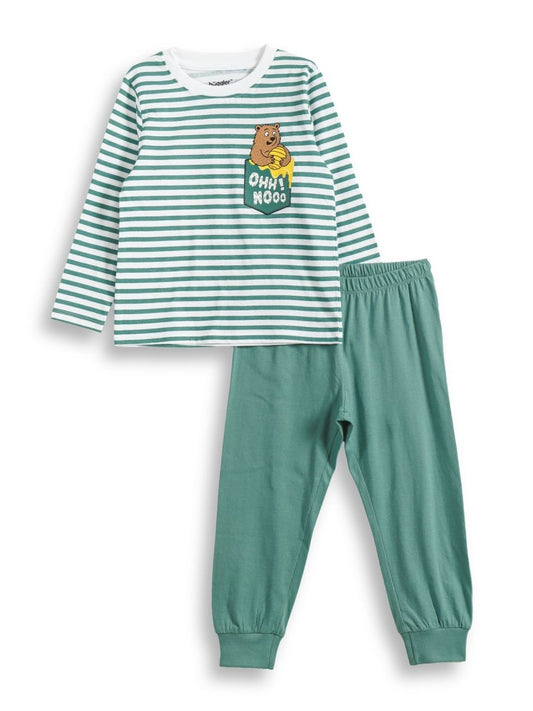
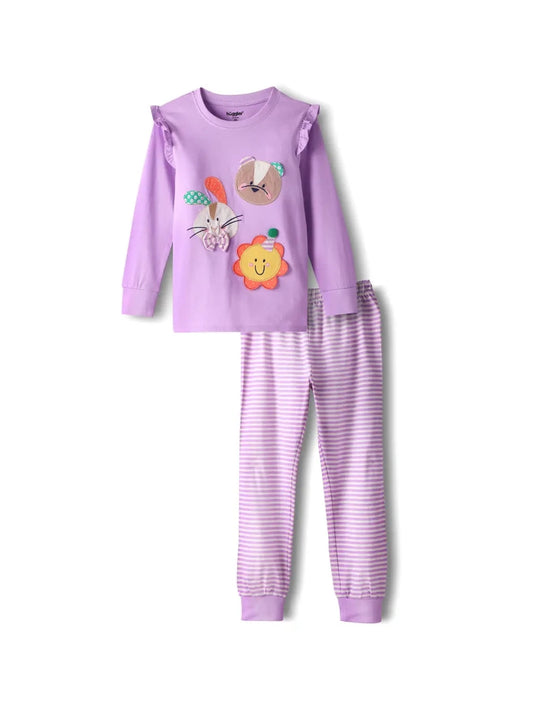
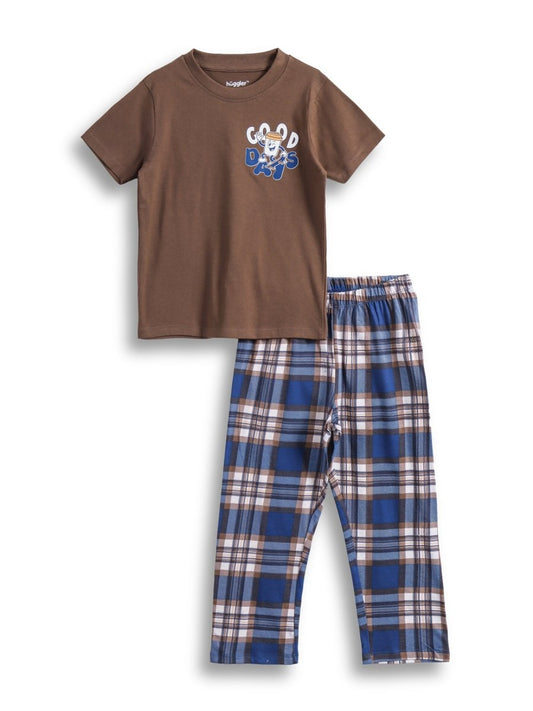
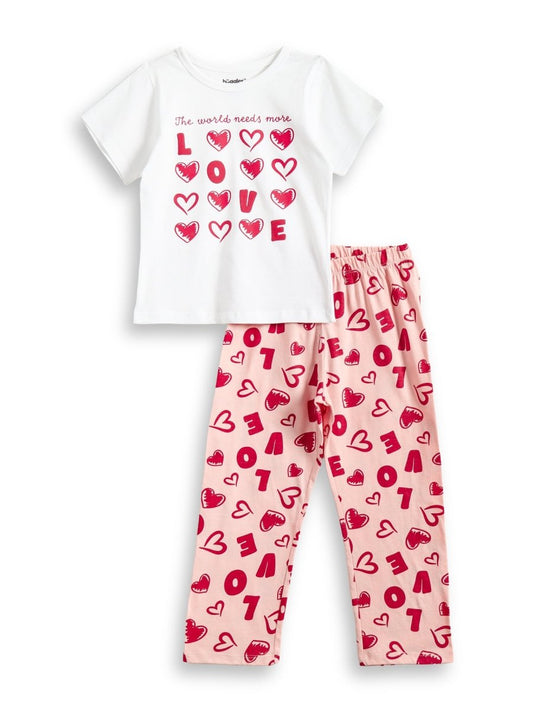
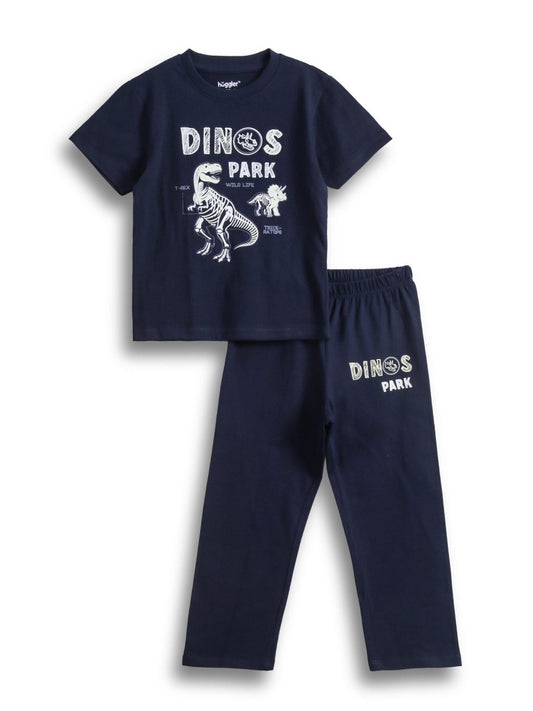
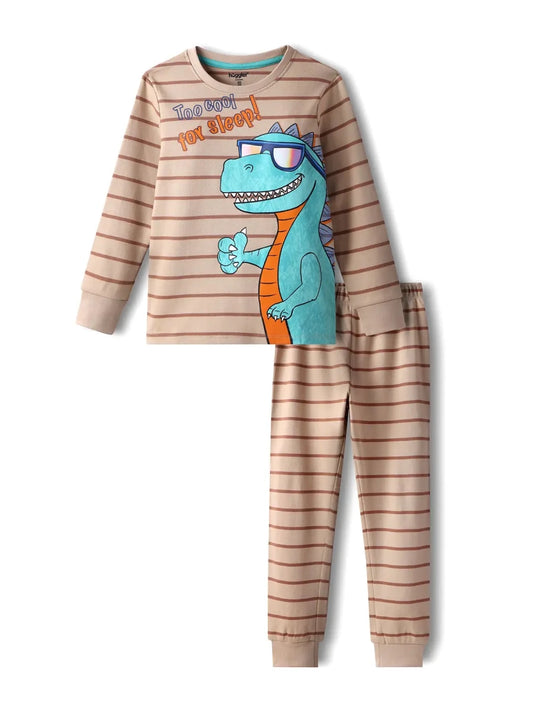
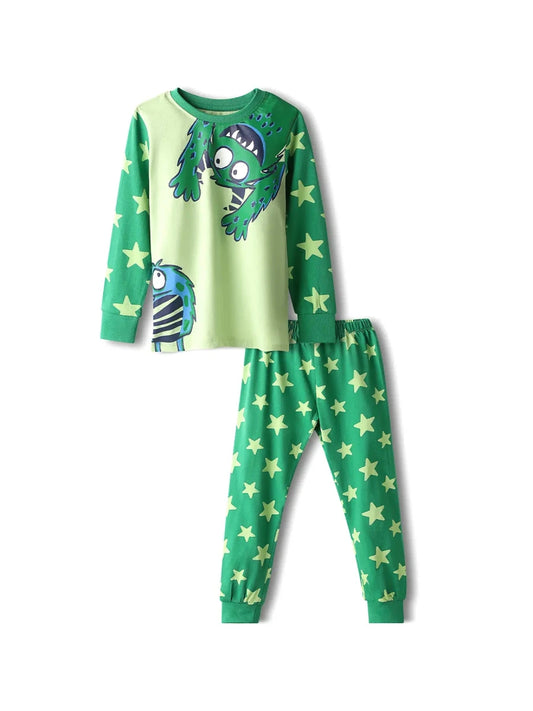
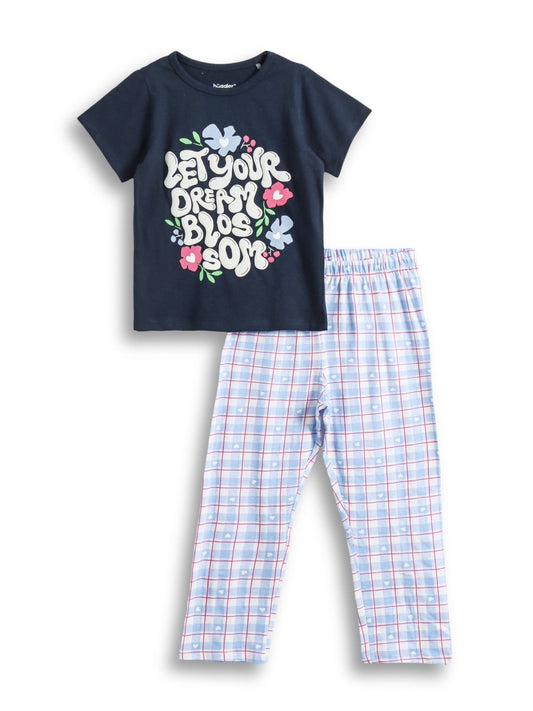
Huggler's cotton night suits are sold in age-based sizes from 2-3Y, ready for when your baby grows into a toddler. Our kids' size guide lines up age with body measurements.
Huggler makes soft, pre-washed cotton night suits from 2-3Y up to 9-10Y. For the newborn months, pick the gentlest cotton you can find and follow your paediatrician's safe-sleep advice.
🧺 How should I wash baby pyjamas?
Always wash new pyjamas before the first wear. It clears any surface residue and softens the cloth.
Use a mild, fragrance-light detergent and a gentle cycle. Strong perfumes and harsh bleach can irritate baby skin.
Dry in the shade to hold the colour, and store folded so a fresh pair is always ready.
A little care goes a long way with baby clothes. Gentle washing keeps the cotton soft and helps each pair last through hand-me-down duty.
- Pre-wash. Wash every new pair before your baby wears it.
- Gentle detergent. Mild and low-fragrance, no harsh bleach.
- Warm or cold wash. A gentle cycle protects soft cotton.
- Shade dry. Keep colours bright and fibres soft.
A simple wash routine that keeps baby pyjamas soft and skin-friendly.
✅ What should I avoid in baby sleepwear?
Skip anything that could bother or catch. Avoid hoods, long strings, loose ribbons and big buttons on sleepwear.
Steer clear of tight cuffs and stiff waistbands that leave marks. Rough internal tags are a common cause of night-time fussing.
For young babies, common safe-sleep guidance is to skip loose blankets and use warm, well-fitting pyjamas instead. Ask your doctor about what suits your child.
Check the print, too. Prints and dyes that sit against skin should feel soft, not plasticky or raised.
Turn the pyjamas inside out and run a hand along the seams. If a tag or seam scratches you, it will bother your baby too.
🛒 How many pairs of baby pyjamas do I need?
Babies go through pyjamas fast, so keep more than you think. Five or six pairs is a comfortable starting point.
That covers nappy leaks, spit-ups and the odd extra change without a laundry panic. Add a couple more in summer.
Keep one clean pair in your bag for outings and one by the cot for fast night changes. Being ready saves a lot of stress at 2am.
A few soft, well-made pairs beat a big pile of scratchy ones. Comfort is what helps your baby sleep.
Look for
- Soft, breathable cotton
- Loose, roomy fit
- Flat seams and soft tags
- Easy front openings
Skip
- Polyester and satin
- Hoods, strings and ribbons
- Tight cuffs and waistbands
- Big buttons on sleepwear
💬 FAQ
What fabric is best for baby pyjamas?
Soft, breathable cotton is best because it lets heat escape and is gentle on delicate skin. Avoid slippery polyester and satin for sleep.
How do I know if my baby is too hot at night?
Feel the back of the neck or chest, not the hands. A sweaty neck, flushed cheeks or damp hair means it is time to remove a layer.
When can my baby wear Huggler night suits?
Huggler's cotton night suits start at 2-3Y, so they are ready once your baby grows into a toddler. For the newborn stage, choose the softest cotton you can and follow safe-sleep advice.
Do I need to wash new baby pyjamas first?
Yes, always wash new pyjamas before the first wear with a mild detergent. It softens the fabric and clears any surface residue.
When your little one is ready for toddler sizes, our soft cotton night suits are made from pre-washed, skin-safe cloth we use ourselves. You can also browse boys' night suits and girls' night suits for cosy, breathable sleep. 💤

Written by the huggler team
The designers and parents behind huggler — soft, 100% cotton kidswear with original in-house prints, made in Tirupur and worn by 20,000+ Indian families. We write these guides from what we make and what our customers ask us. About huggler
From huggler
Shop kids' cotton night suits
Soft, pre-washed 100% cotton night suits in age-based sizes, made in Tirupur.
Also useful: Size guide · Fabric guide · FAQ · All parent guides