Baby Pajamas 101: Fabric, Fit and Safe-Sleep Basics
- Baby pajamas should be soft, loose and made of breathable cotton.
- Fit matters as much as fabric, so buy roomy and check the neckline.
- Dress for the room and watch for signs of overheating.
- Wash new pajamas first, and keep a small, well-chosen set.
Good baby pajamas come down to three things: soft breathable cotton, a roomy fit, and simple safe-sleep habits. Get those right and the print is just the fun part.
This is the plain-English starter guide we wish every new parent had. No jargon, just what helps your baby rest.
🧵 What are baby pajamas made of?
The best fabric is cotton. It breathes, soaks up light sweat and stays gentle on new skin.
We use pre-washed cotton, so it feels soft the moment it goes on. Softness that needs ten washes to arrive is softness your baby waited too long for.
Some sets use blends to cut cost. A blend can work, but a higher cotton share always breathes better.
Slippery satin and heavy polyester are the ones to leave on the shelf for sleep.
Cotton also handles the heavy, frequent washing that baby clothes need. It stays soft instead of turning scratchy over time.
Fabric is the first filter. Start with skin-safe cotton, then think about style, colour and price.
📏 How should baby pajamas fit?
Roomy is right. Pajamas should give space at the chest, tummy and hips so your baby can wriggle freely.
The neckline should be snug enough to stay on the shoulder, but never tight. A collar that gapes can slip.
Cuffs and ankles should sit softly, with no red rings left behind. Elastic that presses is elastic to avoid.
Since babies grow in bursts, a touch of extra length buys you a few more weeks of wear.
Roomy does not mean oversized, though. Very baggy pajamas can bunch up and ride around during the night.
Check the fit every few weeks. Sleeves and ankles that suddenly ride up are your cue to size up.
💤 What are the safe-sleep basics?
Keep it simple and cosy. The goal is a baby who is warm enough, never hot, in clothing that stays put.
Common safe-sleep guidance is to skip loose blankets for young babies and use warm pajamas instead. Always follow your paediatrician's advice for your child.
Avoid hoods, cords and anything that could bunch around the face. Sleepwear should be smooth and simple.
Soft cotton pajamas that fit well do a lot of the work here. Well-fitting clothing keeps a baby warm without extra bedding.
- Feel the room. Aim for a comfortable, not hot, bedroom.
- Pick cotton. One soft, breathable layer is the base.
- Add if cool. Layer up for AC or winter instead of one heavy suit.
- Check the neck. Feel the chest or back of the neck to judge warmth.
Four quick checks for warm, settled baby sleep.
🌞 What should my baby wear to sleep each season?
India throws a lot at a baby's bedroom, from dry heat to monsoon damp to cold AC. Match the layer to the night.
In summer, light cotton and bare arms often do. In winter or a cold AC room, add a soft layer under or over the pajamas.
The mistake most of us make is over-dressing in winter. A warm room plus a thick suit plus a blanket adds up to too much heat.
Monsoon nights feel sticky even when they are not hot, so lean on airy cotton that dries fast.
A simple way to decide is to feel the room first, then dress your baby to match it.
| Season / room | What to reach for | Watch for |
|---|---|---|
| Hot summer | Light short-sleeve cotton | Sweat, prickly heat |
| Monsoon | Airy, quick-dry cotton | Damp, clammy skin |
| AC room | Full-sleeve cotton, light layer | Chilly toes |
| Winter | Cotton plus a warm top layer | Overheating under covers |
🧷 Sleepsuit, romper or two-piece set?
Each style has a moment. A footed sleepsuit keeps tiny babies covered and warm without socks that slip off.
A romper is easy for daytime naps and quick changes. A two-piece set suits older babies and toddlers who are on the move.
Whatever the style, easy openings win. A wide neck or front poppers make midnight changes far less of a battle.
As your baby becomes a busy toddler, two-piece sets start to make more sense. They are simple to mix, match and replace one half at a time.
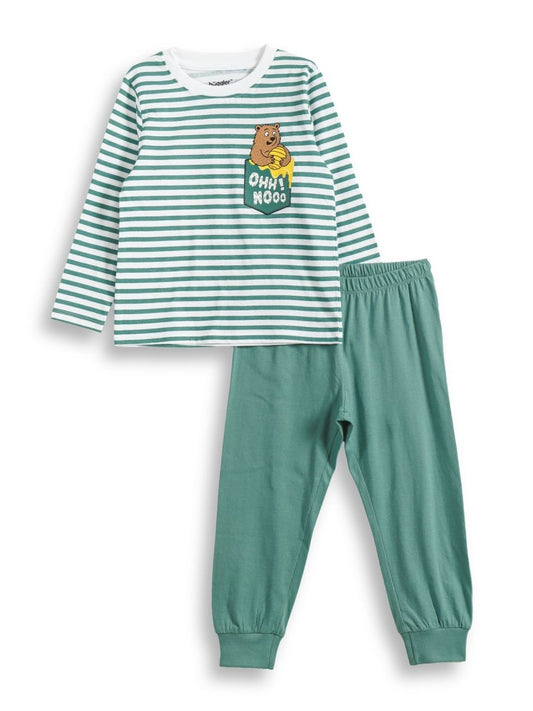
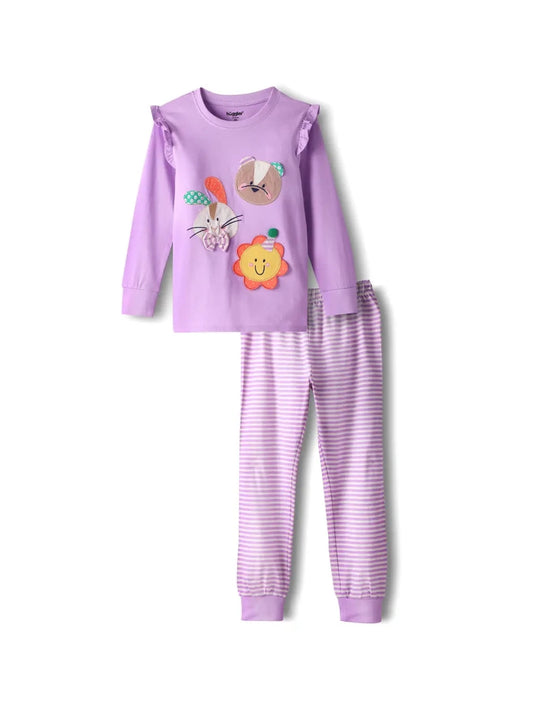
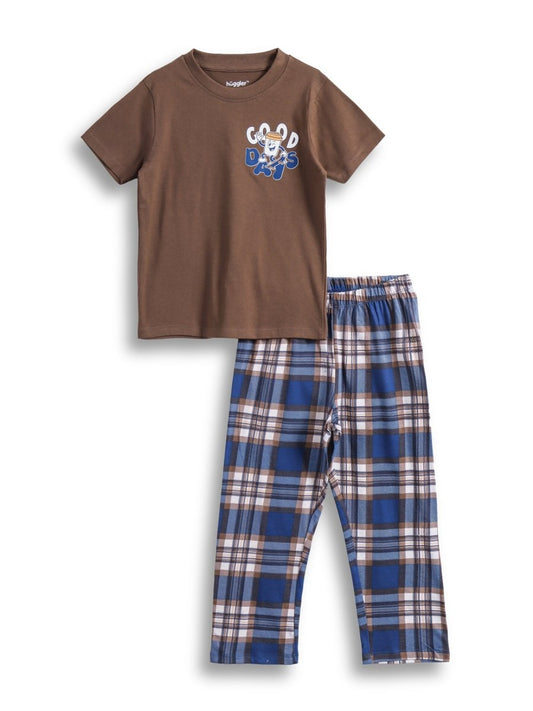
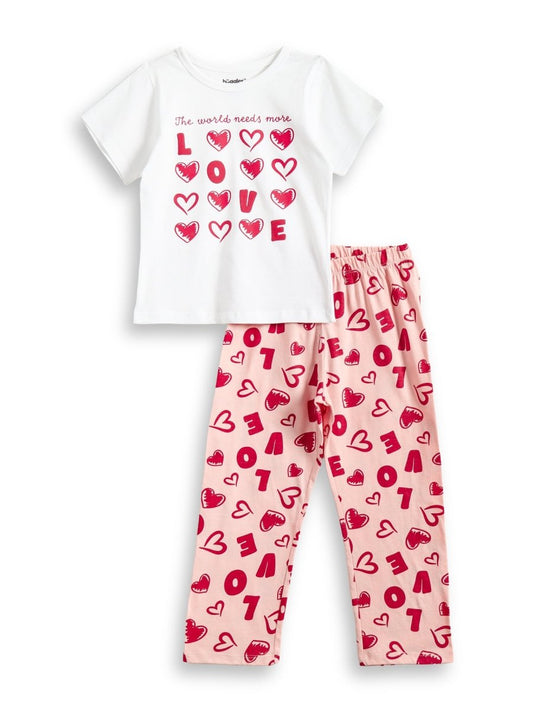
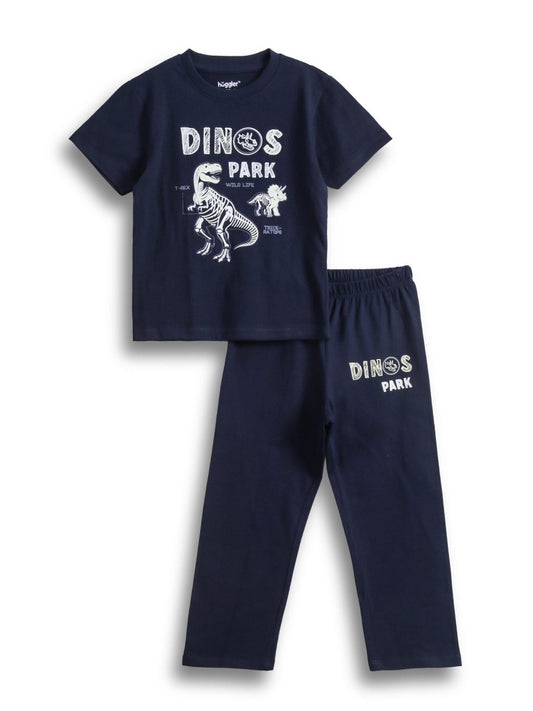
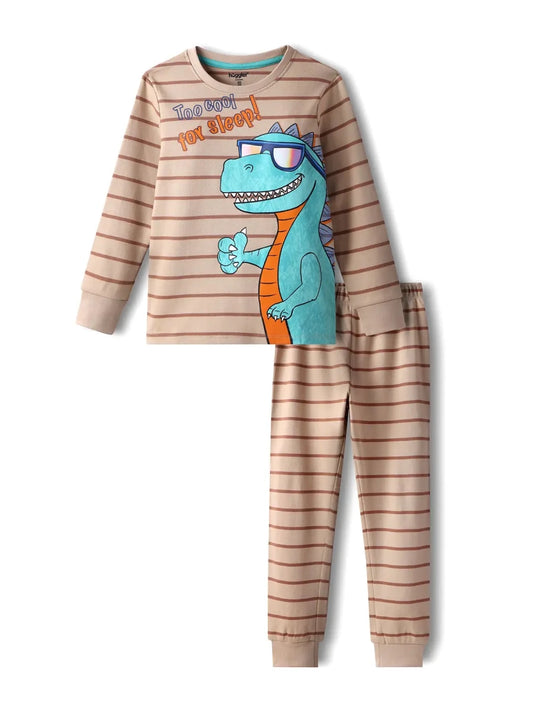
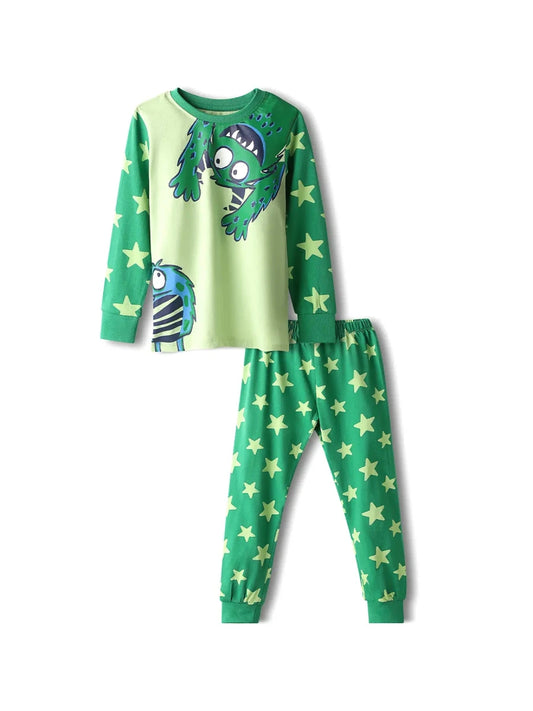
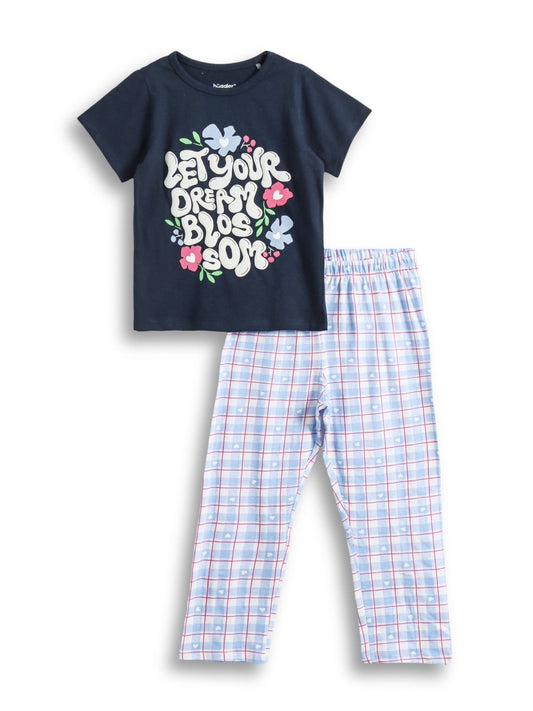
Huggler makes soft, pre-washed cotton night suits in age-based sizes from 2-3Y to 9-10Y, ready for the toddler stage. For newborns, pick the gentlest cotton you can find.
🧺 How do I keep baby pajamas soft and clean?
Wash every new pair before the first wear. It softens the cotton and clears any surface residue from the shop.
Use a mild, low-fragrance detergent and a gentle cycle. Skip strong bleach and heavy perfumes near baby skin.
Dry in the shade to protect the colour, then fold and store so a clean pair is always within reach.
Gentle washing also helps each pair survive long enough to pass down to the next little one.
If a stain sets in, soak it soon rather than scrubbing hard later. A quick soak protects both the fabric and the print.
⚠️ What are the biggest baby pajama mistakes?
The most common one is dressing for the date, not the room. A thick winter suit in a warm bedroom leads to overheating.
The next is buying too small for a snug look. Tight sleepwear restricts movement and marks the skin.
Rough tags, stiff seams and fussy trims round out the list. If it scratches your hand, it will bother your baby.
One more trap is chasing looks over feel. A photo-perfect outfit is no good if your baby cannot rest in it.
Never add loose blankets or padded bumpers to get a young baby warm. Reach for a warmer, well-fitting layer of clothing instead, and ask your doctor if unsure.
🛒 What should a baby pajama starter set include?
Keep it small but ready. Five or six pairs handles leaks, spit-ups and the odd extra change.
Mix short-sleeve and full-sleeve so you can dress for any night. Add a couple of spares for travel and the summer months.
Choose a couple of prints your baby will grow into as well. Simple, cheerful designs work across many months and photos.
A few soft, well-made pairs beat a drawer of stiff bargains. Comfort is what actually helps a baby sleep.
Keep one clean pair in the changing bag and one beside the cot. Being ready turns a night-time spill into a two-minute fix.
💬 FAQ
What is the best fabric for baby pajamas?
Soft, breathable cotton is best because it breathes and is gentle on delicate skin. Avoid satin and heavy polyester for sleep.
Should baby pajamas be tight or loose?
Loose and roomy, so your baby can move and air can circulate. Keep the neckline snug enough that it will not slip off a shoulder.
How do I stop my baby overheating in pajamas?
Dress for the room, use light cotton, and feel the chest or back of the neck to check warmth. A sweaty neck means remove a layer.
When is my baby ready for Huggler night suits?
Huggler sizes start at 2-3Y, so they suit the toddler stage. For the newborn months, choose the softest cotton you can and follow your paediatrician's safe-sleep advice.
When your little one grows into toddler sizes, our cotton night suits are made from pre-washed, skin-safe cloth we use ourselves in India. Not sure on sizing? The size guide and our shipping and exchange FAQ make it easy. 🧸

Written by the huggler team
The designers and parents behind huggler — soft, 100% cotton kidswear with original in-house prints, made in Tirupur and worn by 20,000+ Indian families. We write these guides from what we make and what our customers ask us. About huggler
From huggler
Shop kids' cotton night suits
Soft, pre-washed 100% cotton night suits in age-based sizes, made in Tirupur.
Also useful: Size guide · Fabric guide · FAQ · All parent guides