Baby Night Suits: A Safe-Sleep Buying Guide for New Parents
- A safe baby night suit is soft, breathable cotton in a well-fitting shape with nothing loose.
- For babies under one, the sleepwear (or a sleep bag) does the warming; loose blankets are not cot-safe.
- Match the layer to the room, and check the neck or chest, not the hands, to judge warmth.
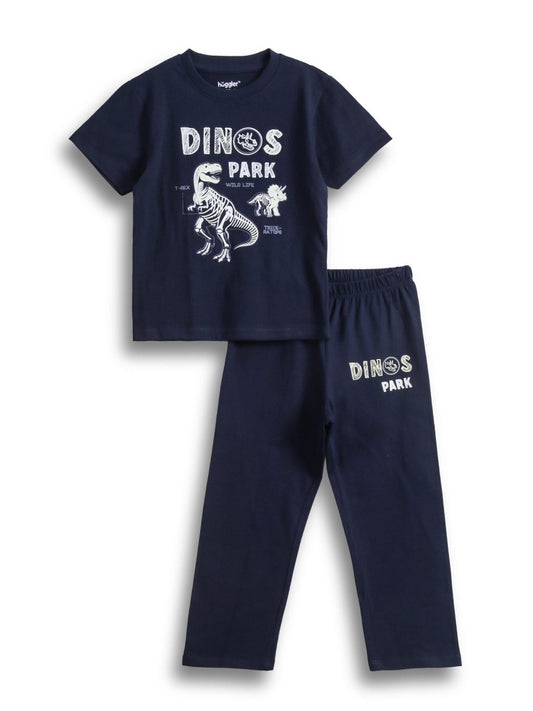
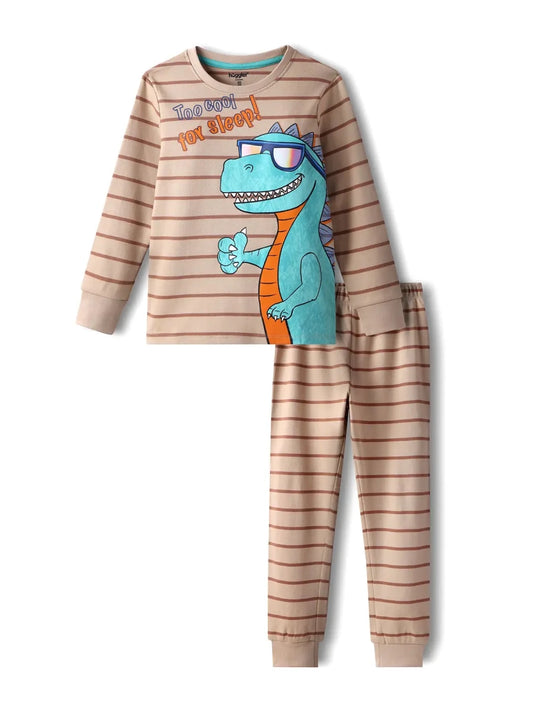
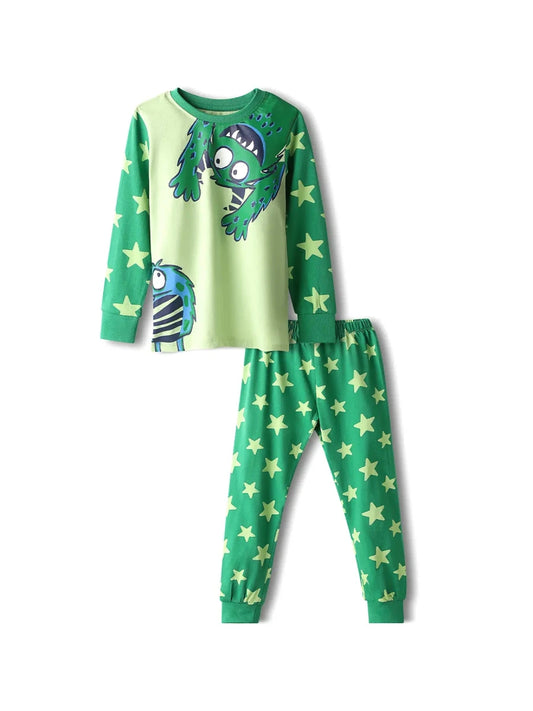
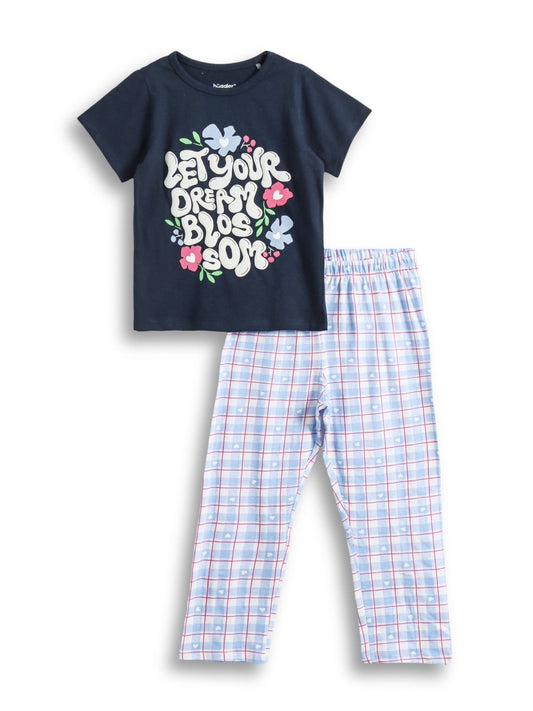
- Huggler cotton night suits start at 2–3Y, ready when your baby grows into toddler sizes.
A good baby night suit is soft, breathable cotton in a snug (not loose) fit, with nothing hanging around the neck, hands or feet. For babies under one, the sleepwear itself keeps them warm, because loose blankets are not safe in the cot.
Here is what makes baby sleepwear safe through every season, and when your little one is ready to move into toddler night suits.
🌙 What makes a baby night suit safe for sleep?
Safe baby sleep is simple at heart: back to sleep, on a firm flat mattress, in a clear cot.
That last part shapes your sleepwear choice. Under about 12 months, paediatric safe-sleep advice is no loose blankets, pillows, bumpers or soft toys, so the night suit is what keeps your baby warm.
Pick a well-fitting shape that cannot ride up over the face. Skip anything with long ties, loose ribbons or press-on decorations that could come off.
Keep the look plain. Simple, soft sleepwear beats anything fussy or heavily decorated near a cot.
The right cot setup does the rest: a firm mattress, a fitted sheet, and nothing loose.
Overheating is a real risk for babies. Feel the back of the neck or the chest, not the hands, to judge warmth. Sweaty hair, a flushed face or fast breathing mean your baby is too warm.
🧵 Which fabric is best for a baby's night suit?
Soft cotton wins for babies, just as it does for older kids.
Cotton absorbs sweat and lets heat escape, so delicate skin stays dry and rash-free. Muslin (malmal) and light jersey cotton are especially gentle for newborns.
Steer clear of scratchy tags and rough inner seams. Flat seams sit softly against skin that is far thinner than an adult's.
Turn a new set inside out and run your fingers along the seams to feel for anything rough.
Lighter weaves suit hot months, while a slightly heavier cotton knit adds warmth for winter without switching to synthetic.
Trust your fingertips here. If the fabric feels slippery or plasticky, put it back.
Natural cotton also carries less static, so it does not cling to fine baby hair.
Huggler makes its own skin-safe cotton cloth and pre-washes it, so it is soft from the first wear. Our night suits begin at 2–3Y, for when your baby reaches toddler sizes.
👶 One-piece or two-piece: what should I pick by age?
The right shape changes as your baby grows and starts to move.
| Age | Best sleepwear | Winter warmth |
|---|---|---|
| 0–3 months | Bodysuit or footed one-piece | Add a wearable sleep bag |
| 3–12 months | Footed one-piece | Sleep bag, no loose blanket |
| 1–2 years | Two-piece cotton pyjamas | Full-sleeve cotton set |
| 2 years and up | Cotton night suit (Huggler starts here) | Full-sleeve night suit |
Around age one, most toddlers move happily into two-piece cotton pyjamas that are easy for quick changes and potty training.
A footed one-piece keeps little toes warm without socks that slip off in the night.
As your baby learns to stand, a two-piece set is simply easier to get on a moving target.
❄️ How do I dress my baby for sleep by season?
Think in layers you can add or drop as the night shifts.
Rooms swing from AC-cold to muggy in the same week, so keep both light and full-sleeve sets ready.
A small thermometer in the room helps you judge, rather than guessing from how you feel.
- Hot nights. One light layer of cotton, half-sleeve, with a fan or AC set to a comfortable temperature.
- Mild nights. A full-sleeve cotton night suit on its own.
- Cool nights. Full-sleeve cotton plus a wearable sleep bag instead of a blanket.
- Cold nights. A warmer sleep bag over cotton, and keep the room gently warm, never hot.
Layer to the room temperature, not to the calendar.
Dress your baby in roughly one more layer than you are comfortable in for the same room. It is a simple rule that avoids both chills and overheating.
⚠️ What should I avoid in baby sleepwear?
A few things belong nowhere near a cot.
- Loose blankets, quilts and pillows under 12 months.
- Hoods, drawstrings and long ribbons.
- Buttons, beads or badges that can pop off and choke.
- Slippery synthetic fabric that traps sweat.
When in doubt, choose the plainer option. It is almost always the safer one.
The same goes for hand-me-downs. Check older sets for loose buttons or worn seams before reusing them.
🧼 How often should I change my baby's night suit?
Fresh sleepwear most nights is the simple rule.
Babies spit up, dribble and leak, so change the night suit whenever it is damp or soiled, even mid-night.
Keep three or four clean sets within arm's reach of the cot. A 3am change is far easier when you are not hunting through a cupboard.
A waterproof mattress protector under the sheet saves the whole bed on leaky nights.
💤 Can the right night suit help my baby sleep better?
Comfort and sleep go hand in hand. A baby who is not too hot, too cold or itchy settles faster and wakes less.
Soft cotton against the skin removes one common reason for fussing, especially on warm, sticky nights.
A steady bedtime outfit can also become a gentle sleep cue, part of the wind-down that says it is time to rest.
Pair the fresh night suit with a dim room and a quiet routine, and settling gets easier over time.
📏 What size should I buy, and when do we switch to toddler night suits?
For babies, choose sleepwear that fits close without squeezing, so it cannot slide over the face.
Once your child is past age two, move to a proper cotton night suit in a relaxed fit that lets them roll and stretch.
Toddlers move a lot in their sleep, so that extra room helps them settle instead of fighting a tight waistband.
Check the cuffs and ankles for red marks in the morning; those are a sign to size up.
Huggler runs eight sizes from 2–3Y to 9–10Y. Our size guide lists chest and height for each band, so you can match the fit before you buy.
🧺 How do I keep baby night suits soft and clean?
Always wash new sleepwear before the first wear to clear any factory residue.
Use a mild detergent, wash in cool water, and skip heavy softeners that coat the fibres and cut breathability.
Dry in shade to protect both the colour and the softness, and dry fully before folding away.
Keep a separate mild wash for baby clothes, away from strong-smelling adult detergents.
💬 FAQ
Is a night suit safe for a newborn?
Yes, if it fits well and there are no loose ties or blankets in the cot. For newborns, a bodysuit or footed one-piece plus a wearable sleep bag is safest.
What fabric is best for a baby night suit?
Soft, breathable cotton, including muslin (malmal) and light jersey. It absorbs sweat and keeps skin dry.
How do I know if my baby is too hot at night?
Feel the back of the neck or the chest. If it is sweaty or very warm, remove a layer.
When can my baby wear a Huggler night suit?
From age two. Huggler cotton night suits start at 2–3Y and go up to 9–10Y.
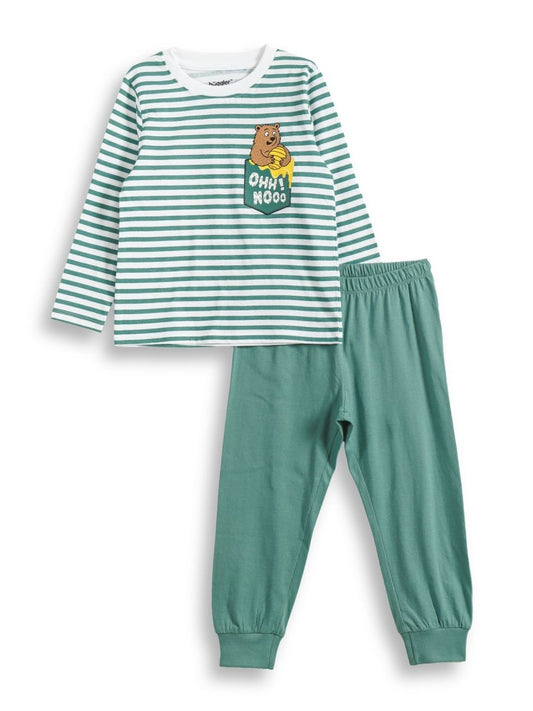
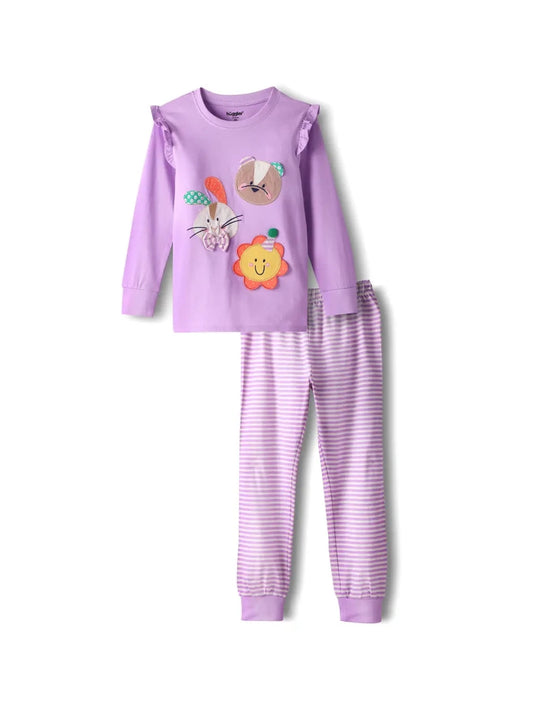
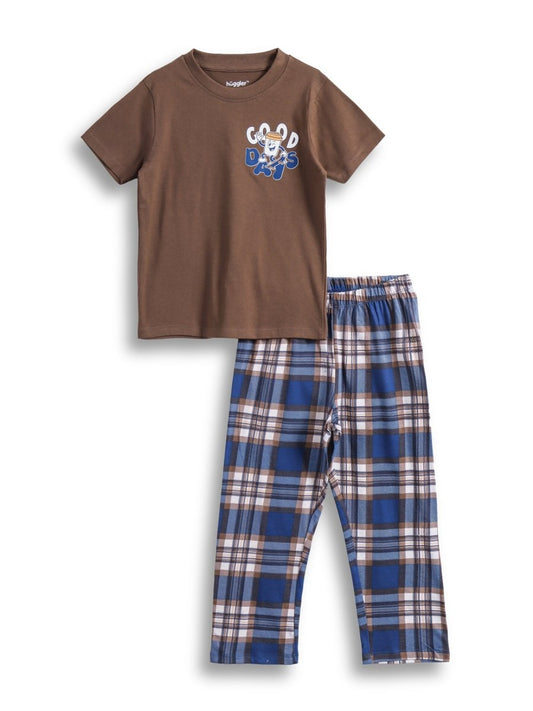
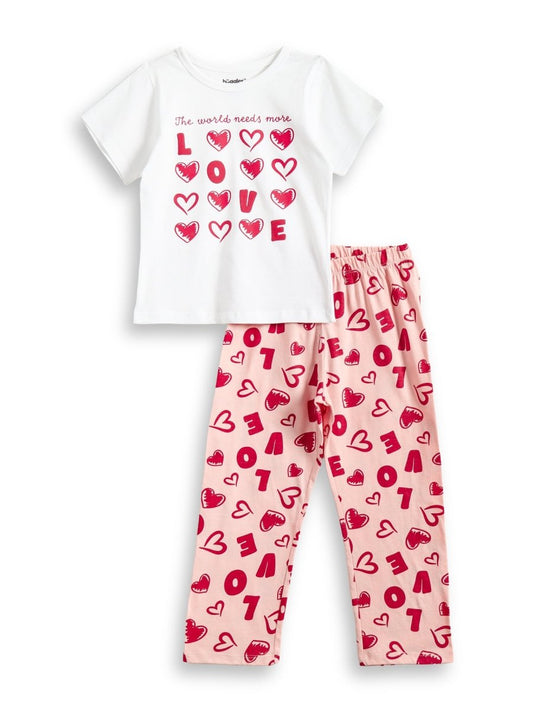
When your little one is ready for toddler sizes, our cotton night suits are waiting in soft, pre-washed cotton and playful prints. Peek at girls' night suits and boys' night suits to find the print they will love. 💤

Written by the huggler team
The designers and parents behind huggler — soft, 100% cotton kidswear with original in-house prints, made in Tirupur and worn by 20,000+ Indian families. We write these guides from what we make and what our customers ask us. About huggler
From huggler
Shop kids' cotton night suits
Soft, pre-washed 100% cotton night suits in age-based sizes, made in Tirupur.
Also useful: Size guide · Fabric guide · FAQ · All parent guides