Baby Night Dress: What's Safe, Soft and Season-Right
- A baby night dress is a loose gown-style nightie, handy for easy nappy changes in the early months.
- Choose soft, breathable cotton, and switch to fitted sleepwear once your baby starts to roll.
- Match it to the season: light cotton for summer, warmer layers plus a sleep bag for winter.
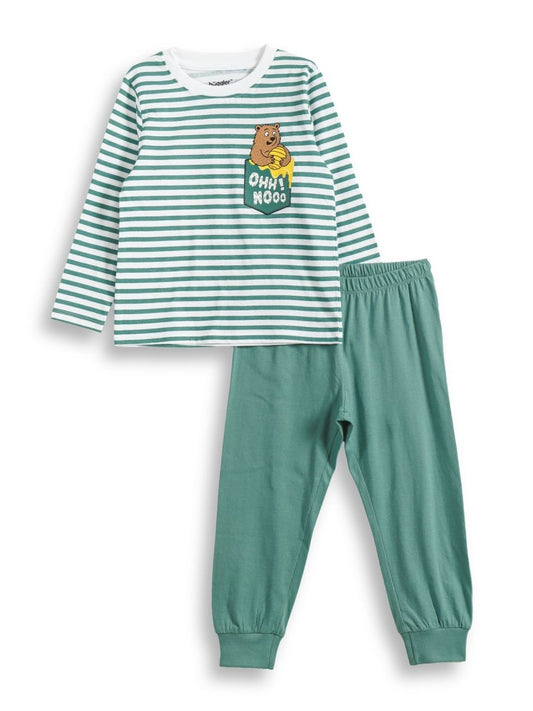
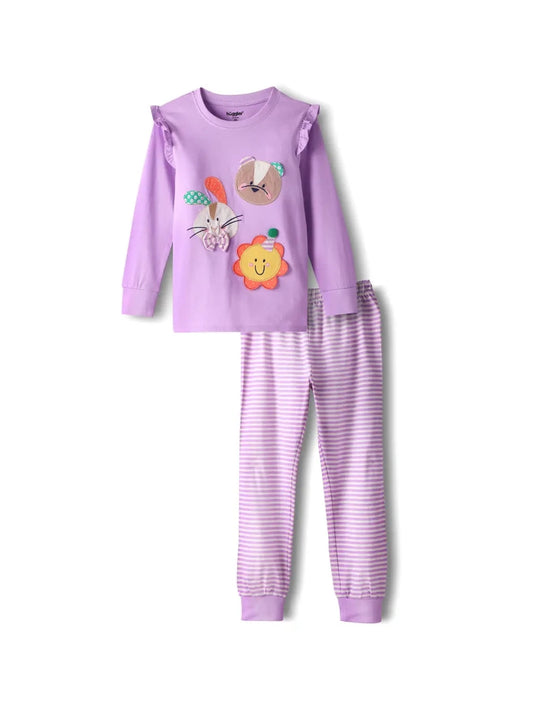
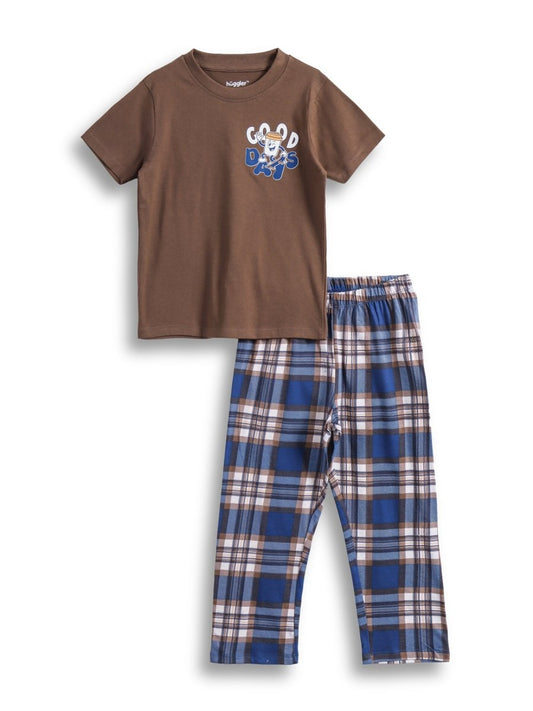
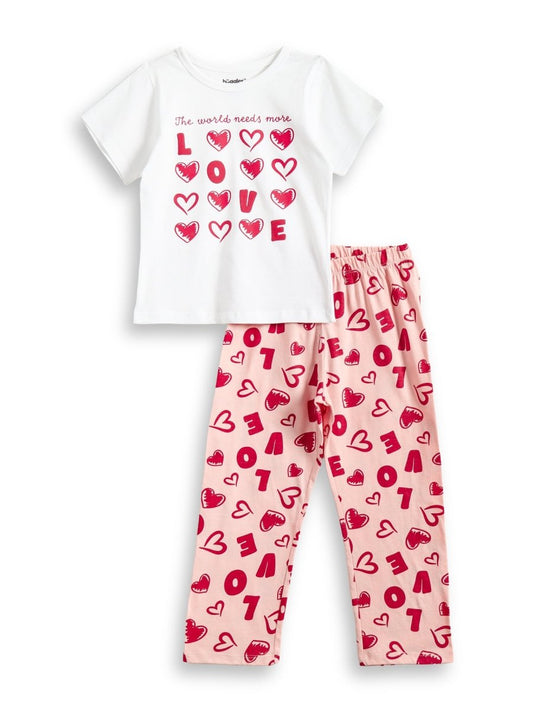
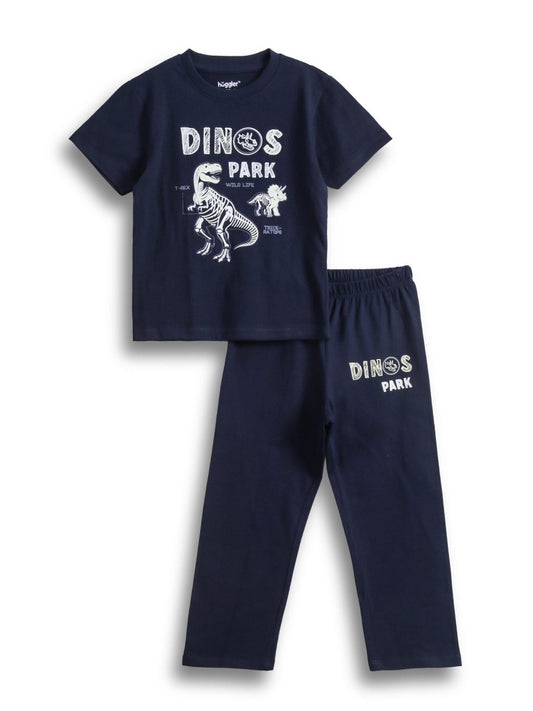
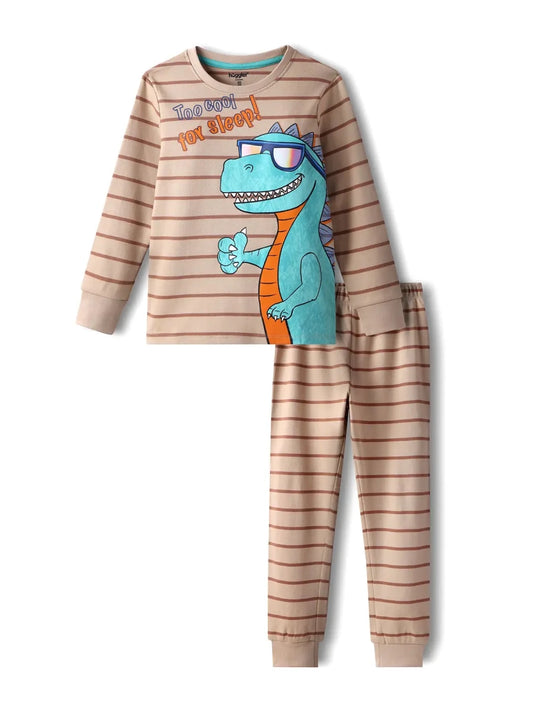
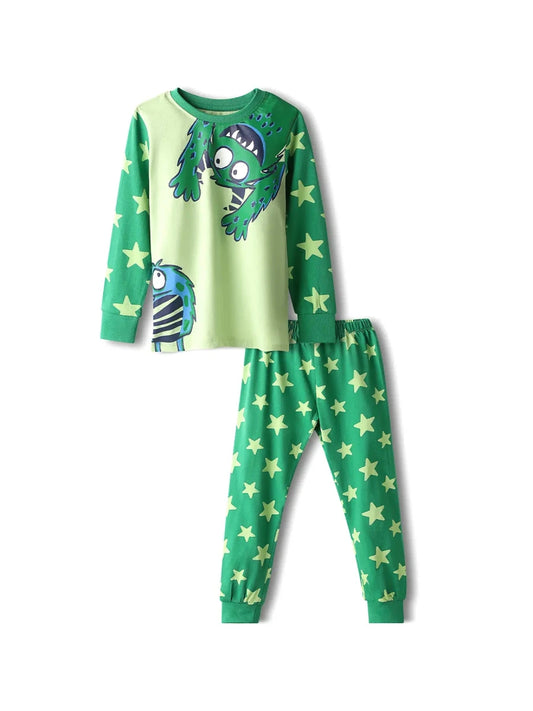
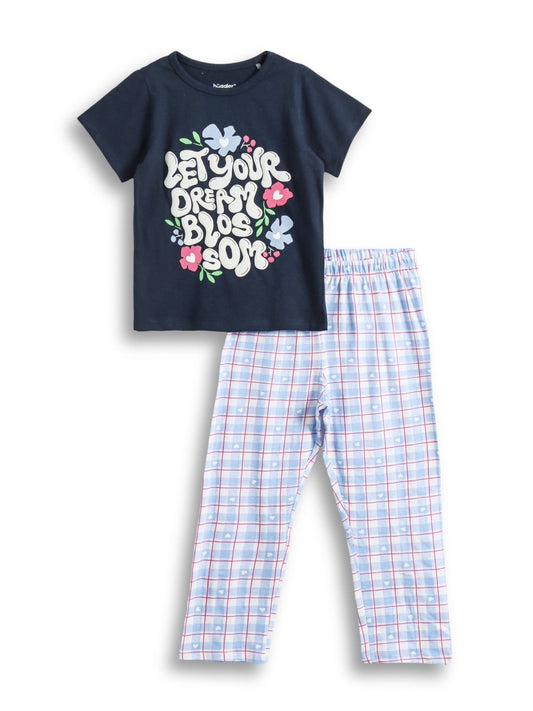
- Huggler makes two-piece cotton night suits from 2–3Y, for when your baby becomes a toddler.
A baby night dress is a loose, gown-style nightie that is soft, breathable cotton and easy to lift for nappy changes. It suits the newborn months best, and fitted sleepwear becomes the safer choice once your baby starts to roll and move.
Here is what makes a baby night dress safe, which fabric to pick, and how to choose one that matches the season.
Comfort and safety come first here, and the pretty prints follow.
🌙 What is a baby night dress, and is it safe?
A baby night dress is a single loose garment, often with an open or gently elasticated hem for quick changes.
In the first few months it is genuinely handy, because you can change a nappy at 3am without unbuttoning a whole outfit.
That simple design saves a lot of fumbling when you are half asleep.
The trade-off is coverage, so pair it with a sleep bag once the nights cool down.
It is safe when it fits well at the top and has no long ties, ribbons or drawstrings. Once your baby can roll, a loose hem can ride up, so many parents move to fitted cotton pyjamas or a sleep bag.
There is no single right day to switch, so watch your baby, not the calendar.
Keep the cot clear under 12 months. No loose blankets, pillows or soft toys, so the night dress or a wearable sleep bag does the warming.
🧵 What fabric should a baby night dress be?
Soft cotton is the answer for delicate baby skin.
Muslin (malmal) is light and airy for hot nights and softens with every wash. Jersey and interlock cotton give a little more warmth for cooler weather.
Steer clear of satin-look synthetics; they feel smooth in the shop but trap heat by midnight.
Avoid slippery synthetics that trap sweat, and check for flat seams and a soft or printed neck label instead of a scratchy tag.
A little goes a long way with baby skin, so pick the softest weave you can feel, not just the prettiest print.
Hold the fabric to the light. A fine, even weave usually means soft, breathable cotton.
Huggler works in skin-safe cotton we choose pre-washed. We stitch two-piece night suits rather than baby gowns, and our sizes begin at 2–3Y.
👶 When is a night dress a good choice, and when not?
The night dress has a clear sweet spot.
Great for
- Newborns, roughly 0 to 3 months
- Fast, fuss-free night nappy changes
- Hot nights, in light cotton
- Layering over a bodysuit
Better to skip
- Once your baby rolls or crawls
- Cold nights with bare legs and no sleep bag
- Anything with long ties or ribbons
- Slippery synthetic fabric
A baby night dress shines early, then fitted sleepwear takes over.
Rompers and fitted pyjamas step in neatly once she is on the move.
Until then, a gown makes those early-morning feeds and changes far quicker.
🌞 How do I pick a baby night dress by season?
Let the room temperature guide the layer, not the month on the calendar.
| Season | Night dress pick | Add |
|---|---|---|
| Summer | Light muslin or cotton, half-sleeve | Fan or AC, comfortable temp |
| Monsoon | Light quick-drying cotton | Keep a few spares handy |
| Winter | Full-sleeve cotton night dress | Wearable sleep bag over it |
In winter a night dress leaves legs bare, so a sleep bag over it is the safe way to keep your baby warm.
Some parents skip the gown in peak winter and use footed pyjamas plus a sleep bag instead.
Keep two or three lighter dresses for humid nights, when even one heavy layer feels like too much.
A ceiling fan on low keeps air moving on sticky nights without chilling the room.
Cotton copes with humidity far better than any synthetic, staying dry against the skin.
⚠️ What safety features should I check?
Run through a quick list before bedtime.
- Well-fitting at the neck and shoulders, so it cannot slide over the face.
- No drawstrings, long ribbons or loose bows.
- No buttons or beads that can pop off.
- Soft cotton that breathes, not slippery synthetic.
When two options tie, the plainer, softer one wins near a sleeping baby.
Feel the back of the neck or chest, not the hands, to check warmth. Sweaty skin or a flushed face means it is time to drop a layer.
💤 Will a night dress help my baby sleep better?
Comfort is often the hidden reason a baby settles or stirs.
Overheating and rough fabric are two comfort problems a good night dress quietly solves.
Light, breathable cotton keeps her from getting sweaty and itchy, a common cause of night waking in warm weather.
A soft, familiar night dress can also become a gentle bedtime cue, part of the nightly wind-down.
Keep the last hour calm and screen-free, and the cue lands even better.
🎁 Is a baby night dress a good gift?
Yes, and it is one new parents genuinely use. Soft sleepwear never goes to waste.
Gowns with an open hem are especially welcome for the newborn stage, when nappy changes are constant.
Pick pure cotton in a calm print, and add a size up so the gift lasts past the first few weeks.
Two or three gowns in a set make a practical, welcome baby-shower present.
📏 What size, and when do we switch to a night suit?
For babies, a night dress should fit close at the top and skim, not swamp, the body.
After age two, a cotton night suit in a relaxed fit is the practical next step, easy for a moving, potty-training toddler.
Toddlers wriggle all night, so a little room helps them settle rather than fight the fabric.
Red marks at the waist or ankles in the morning are your cue to move up a size.
Huggler runs eight sizes from 2–3Y to 9–10Y. Our size guide lists chest and height for each band.
🧺 How do I wash and store baby night dresses?
Wash new pieces before the first wear, then use a mild detergent in cool water.
Skip heavy softeners, which coat the fibres and reduce breathability over time.
Turn prints inside out in the wash, and the colours stay bright for longer.
Use a mild detergent kept just for baby clothes, away from strong adult scents.
Dry in shade and store folded, so the fabric stays soft.
Fold them where you can reach one-handed, which helps during a 3am change.
Keep a small stack by the cot, and night changes get quicker.
💬 FAQ
Is a baby night dress safe for sleep?
Yes for young babies, if it fits well at the top with no loose ties. Once your baby rolls, fitted pyjamas or a sleep bag are safer.
What fabric is best for a baby night dress?
Soft, breathable cotton such as muslin (malmal) or jersey. It absorbs sweat and keeps skin dry.
Can my baby wear a night dress in winter?
Yes, in full-sleeve cotton with a wearable sleep bag over it, since a night dress leaves the legs bare.
When should we move from a night dress to a night suit?
Around the time your baby starts rolling and crawling, and into two-piece cotton night suits from about age two.
When your baby grows into a toddler, our cotton night suits take over in soft, pre-washed cotton and playful prints. Browse girls' night suits, or check the shipping and exchange FAQ before you order. 🌙

Written by the huggler team
The designers and parents behind huggler — soft, 100% cotton kidswear with original in-house prints, made in Tirupur and worn by 20,000+ Indian families. We write these guides from what we make and what our customers ask us. About huggler
From huggler
Shop kids' cotton night suits
Soft, pre-washed 100% cotton night suits in age-based sizes, made in Tirupur.
Also useful: Size guide · Fabric guide · FAQ · All parent guides