Are Night Suits Safe for Babies? Safe-Sleep Guidelines Explained
- Yes, night suits are safe for babies when they are breathable, snug-fitting, and free of loose ties or small parts.
- Choose soft, pre-washed cotton so heat and sweat can escape.
- Keep the cot clear — no loose blankets, pillows, or soft toys for young babies.
- Watch for overheating; one light layer is usually enough on a warm Indian night.
A night suit is safe for a baby when it is made of breathable cotton, fits snugly rather than loosely, and carries no long ties, hoods, or small parts that could come loose. Pair it with a clear cot and a comfortably cool room, and sleepwear becomes one of the simplest parts of safe sleep.
We make cotton night suits, so here is a straight, parent-to-parent look at what keeps little sleepers safe and comfy.
🌙 Are night suits safe for babies?
Yes. A simple, well-fitted cotton night suit is one of the safest things a baby can sleep in.
The care is less about the outfit itself and more about how it fits and what shares the cot.
A soft, plain set with no loose bits does the job better than anything fussy.
Simplicity is the safety feature here, not a compromise.
For anything specific to your own child, your pediatrician is the best guide.
Safe baby sleepwear comes down to three things: breathable fabric, a snug fit, and nothing loose around the face or neck.
👶 What makes a baby's night suit safe?
Three things do most of the work: fabric, fit, and fastenings.
Breathable cotton lets warmth and sweat escape. A snug cut stops fabric bunching near the face.
Flat seams and simple poppers are kinder than stiff zips or scratchy tags against new skin.
Turn a new set inside out and run a finger along the seams — smooth and soft is what you want.
Good baby sleepwear is boring in the best way: soft, plain, and easy to move in.
🧵 Which fabric is safest for baby sleepwear?
Soft, breathable 100% cotton is the safest, most comfortable choice for Indian nights.
It absorbs sweat and lets heat out, which helps prevent the trapped damp that brings on prickly heat.
Heavy polyester and nylon hold heat against the skin, so keep them out of the cot in the warm months.
Pre-washed cotton has one more quiet benefit: it is softer from the first wear and holds its size after laundry.
For most Indian homes, cotton is the fabric that behaves well across the whole year.
| Feature | Look for | Avoid |
|---|---|---|
| Fabric | Soft, breathable, pre-washed cotton | Heavy polyester, nylon |
| Fit | Snug, relaxed, room to stretch | Loose, oversized, bunching |
| Neck & face | Clear, no ties | Hoods, long drawstrings |
| Fastenings | Flat poppers, covered seams | Loose small buttons, stiff zips near skin |
| In the cot | Fitted sheet, firm flat surface | Loose blankets, pillows, soft toys (young babies) |
🧷 What features make night-time changes easier?
The right openings turn a 2am change into a quick job.
Front poppers and poppers down the legs let you swap a nappy without fully undressing a sleepy baby.
A wide, stretchy neck slips over the head easily and does not tug at the ears.
Flat, printed-on labels beat stiff stitched tags that can scratch the back of the neck.
If a set has a zip, look for a soft chin guard so metal never sits against the throat.
📏 How should a baby's night suit fit?
Snug, not tight, and never loose and billowy.
Loose fabric can ride up toward the face, so a closer fit is the safer one for sleep.
There should still be easy room at the tummy and legs for stretching and nappy changes.
If a set slides off the shoulder or pools at the ankles, it is a size too big for a baby.
Check the fit again every few weeks, since little ones grow out of sizes fast.
⚠️ What should you avoid in baby sleepwear?
Keep anything fussy or fiddly out of the cot.
Long ties, hoods, loose ribbons, and small detachable parts all belong on daywear, not on sleepwear.
For young babies, loose blankets, pillows, bumpers, and soft toys are best left out of the cot altogether.
Skip stiff appliqué and hard plastic patches that press against the skin while a baby lies down.
A wearable sleep bag is a common alternative to a loose blanket for young babies. It keeps warmth in without anything drifting over the face.
🌡️ How do you stop a baby overheating at night?
Overheating is a bigger worry than a slight chill, especially in India's heat.
One light cotton layer is usually enough on a warm night; add more only when the room is genuinely cool.
Check the chest or the back of the neck, not the hands. Warm and dry is right; sweaty means too hot.
In an AC room, a single cotton set is often plenty, so check again once the room cools overnight.
If your baby sweats through a set, change into a dry one rather than aiming a fan straight at the skin.
A simple rule of thumb: dress a baby in about one more light layer than you are comfortable in. In an AC room, that is often just a cotton night suit.
📐 A quick safe-sleep night suit check
Most parents can run this in about ten seconds once it becomes habit.
- Pick the fabric. Soft, breathable, pre-washed cotton.
- Check the fit. Snug and relaxed, nothing billowy near the face.
- Scan for hazards. No hoods, long ties, or loose small parts.
- Clear the cot. Fitted sheet on a firm flat surface, nothing loose for young babies.
- Set the room. Comfortably cool, one light layer, baby on the back to sleep.
A ten-second routine that quickly runs on autopilot.
🧺 Should you wash baby sleepwear before the first wear?
Yes, always wash a new night suit before your baby wears it.
A first wash clears dust and residue from the shop and softens the fabric.
Use a mild detergent, skip strong fragrances, and dry the set fully before it goes on.
Wash new sleepwear separately the first time, in case deeper colours run.
After that, a normal cool wash with the family load is fine.
🎂 When can a child wear a Huggler night suit?
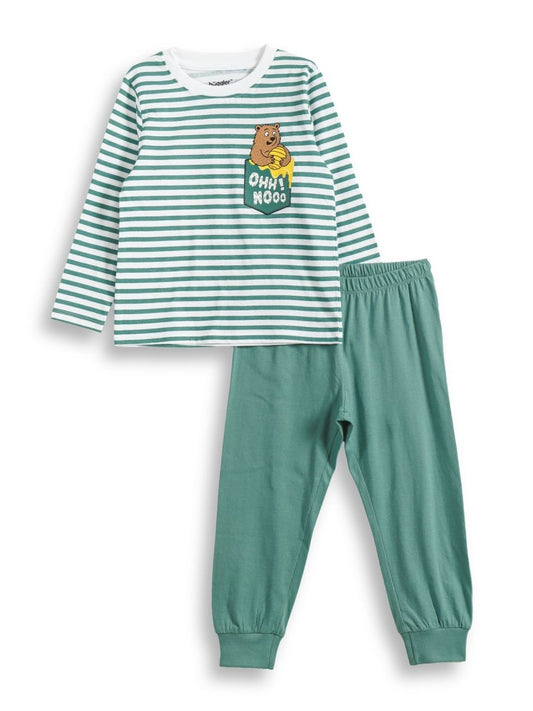
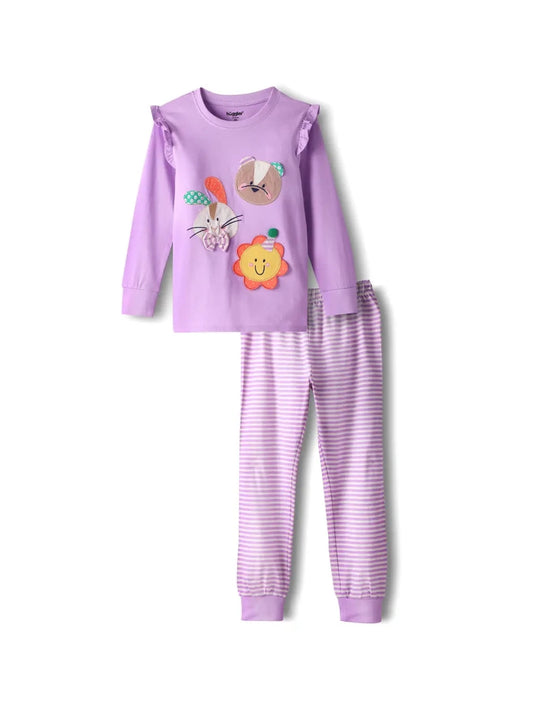
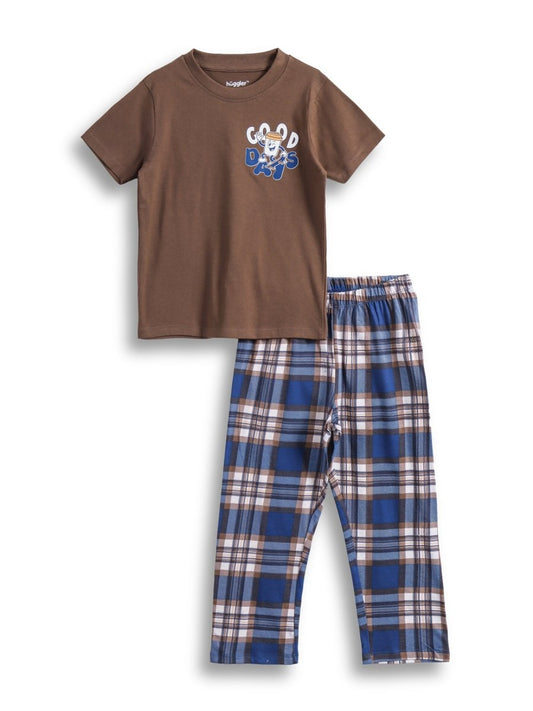
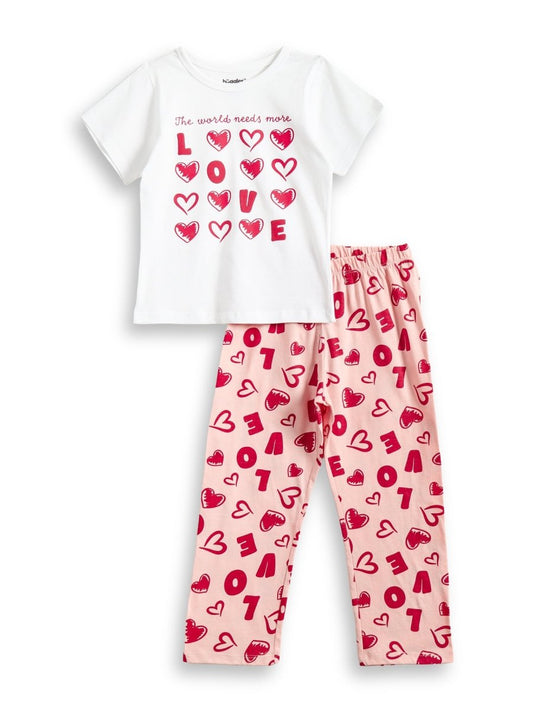
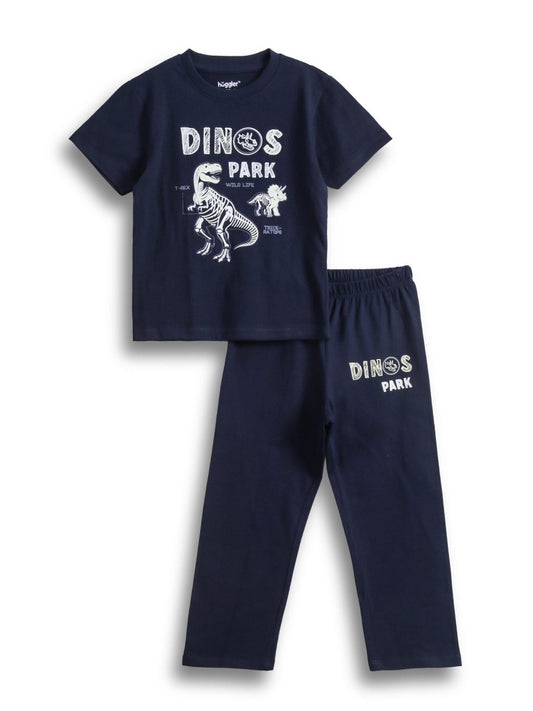
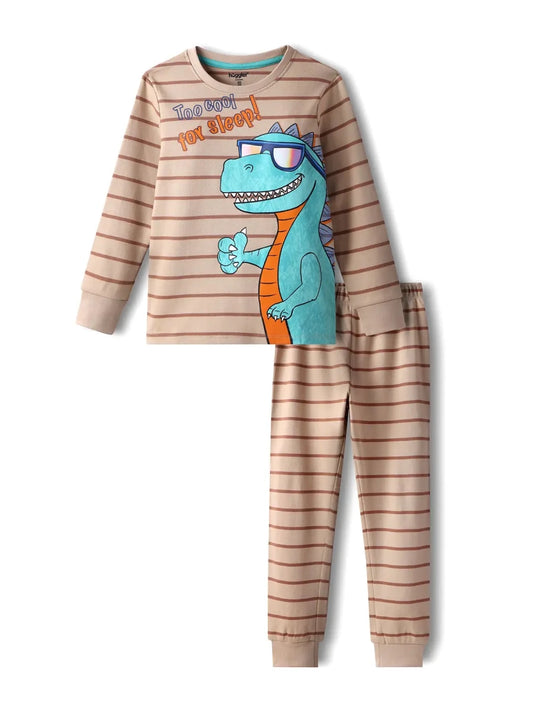
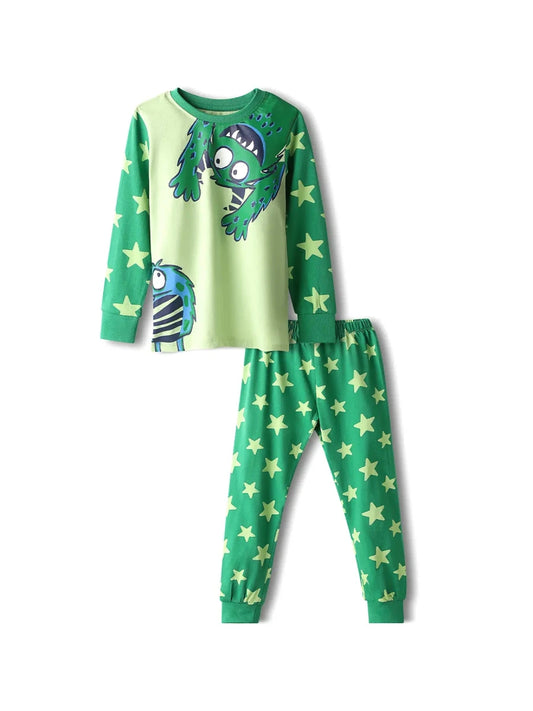
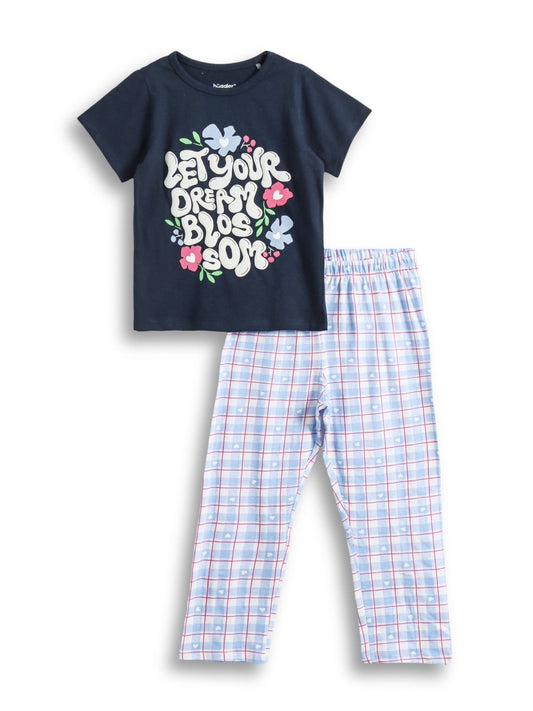
Our night suits are made for ages 2 to 10, in eight sizes from 2-3Y to 9-10Y.
For babies under two, follow your pediatrician's safe-sleep advice and choose snug cotton baby sleepwear or a wearable sleep bag.
Once your little one is past two, a relaxed Huggler cotton night suit is an easy, breathable pick.
If the first size is not right, the 7-day exchange makes it simple to size up or down.
Huggler night suits start at 2-3Y, so they suit toddlers and older kids. See the full range in our cotton night suits and check fit on the size guide.
💬 FAQ
Are night suits safe for newborns?
For newborns, choose snug, breathable cotton baby sleepwear and follow your pediatrician's safe-sleep advice. Keep the cot clear of loose blankets and soft toys.
Is cotton the safest fabric for baby sleepwear?
Yes. Soft, breathable cotton lets heat and sweat escape, which keeps babies cooler and helps prevent prickly heat on warm Indian nights.
How do I know if my baby is too hot at night?
Feel the chest or back of the neck; warm and dry is fine, sweaty or clammy means remove a layer. Hands often feel cool even when a baby is comfortable.
What age can my child start wearing a Huggler night suit?
Huggler night suits are made for ages 2 to 10, in sizes 2-3Y up to 9-10Y. For younger babies, stick to snug cotton baby sleepwear.
When your toddler is ready, browse our soft, breathable Huggler cotton night suits and airy shorts sets for warm nights — made for calm, comfy sleep. 🌙

Written by the huggler team
The designers and parents behind huggler — soft, 100% cotton kidswear with original in-house prints, made in Tirupur and worn by 20,000+ Indian families. We write these guides from what we make and what our customers ask us. About huggler
From huggler
Shop kids' cotton night suits
Soft, pre-washed 100% cotton night suits in age-based sizes, made in Tirupur.
Also useful: Size guide · Fabric guide · FAQ · All parent guides