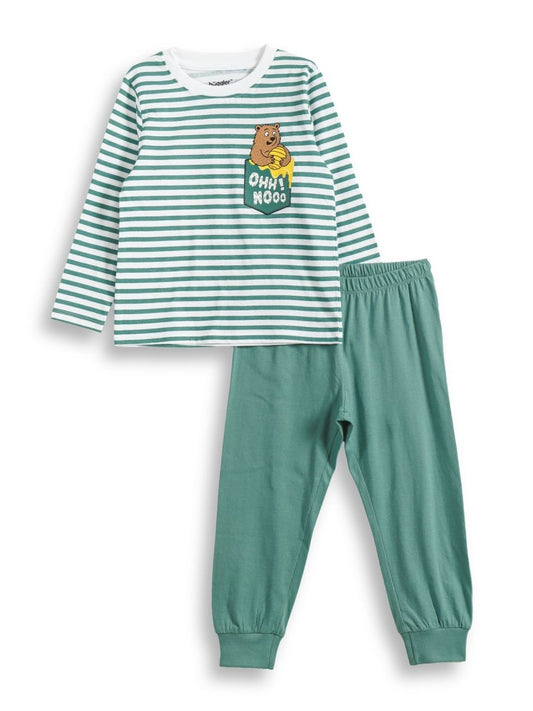
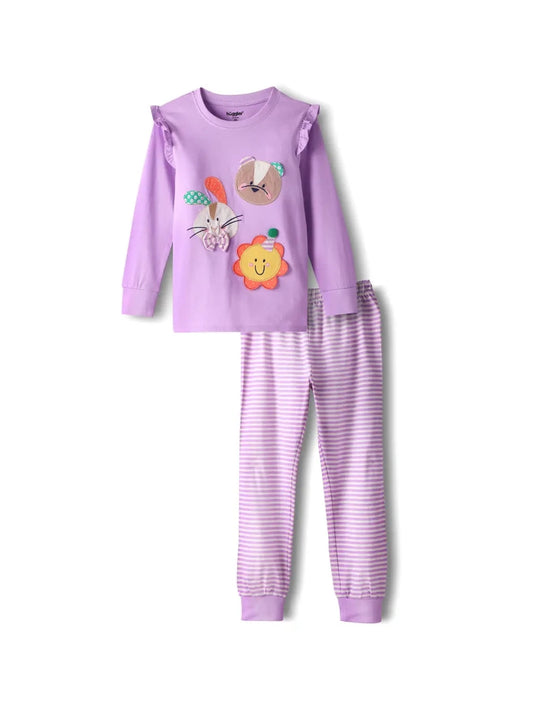
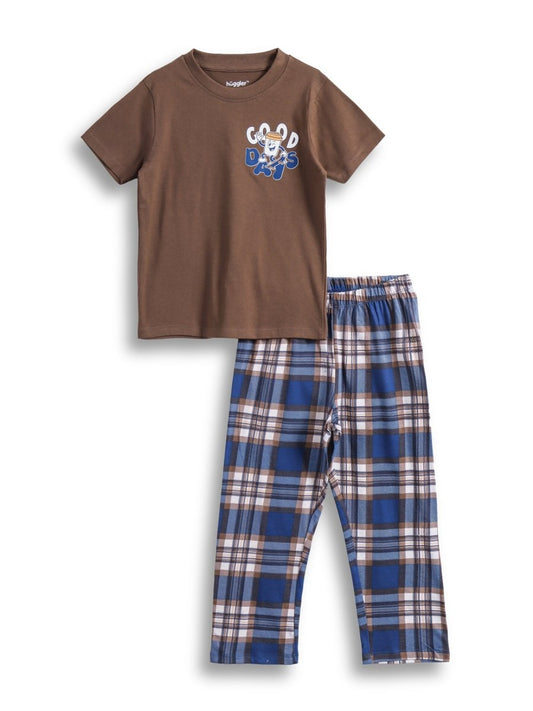
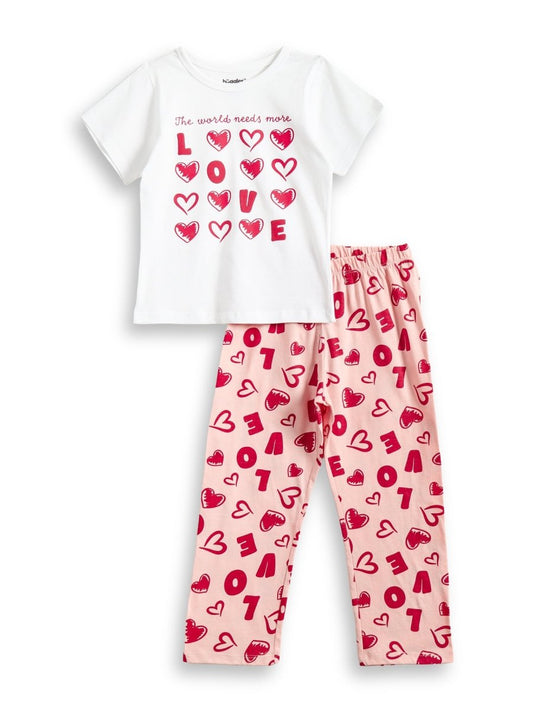
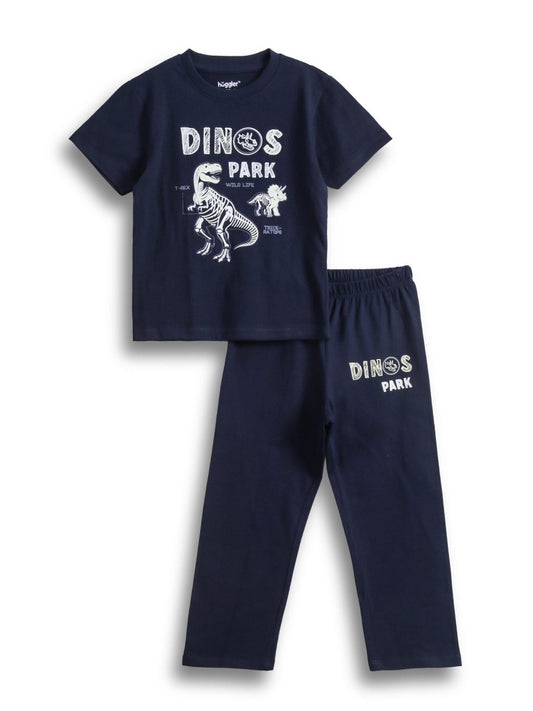
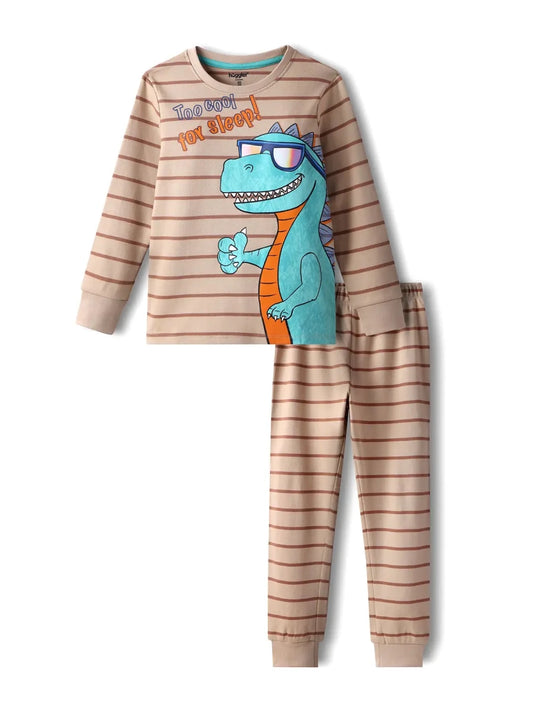
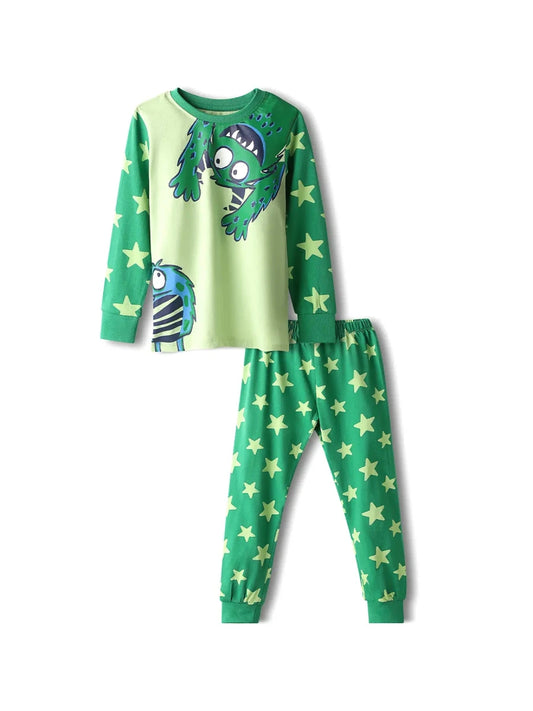
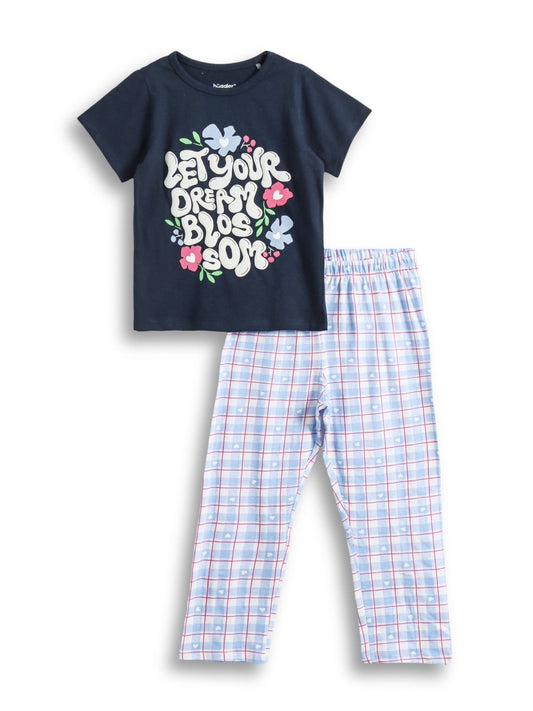
Kids' T-Shirts That Last: What to Look For Beyond the Print
- A kids' t-shirt that lasts starts with good cotton, not a good print.
- Check the neck, the seams and the weight of the cloth before you buy.
- Wash cool and dry in shade to keep tees soft and bright.
- Huggler tees are pre-washed cotton in eight sizes, 2–3Y to 9–10Y.
A kids' t-shirt that lasts comes down to the cotton, the neck and the seams, not the cartoon on the front. The print is what your child sees, but the fabric is what decides whether the tee survives a year of school and play.
Here is how to judge a tee beyond the picture, so the ones you buy stay soft, keep their shape and go the distance.
👕 What should I look for in a kids' t-shirt?
Start with the parts your child will feel and you will re-wash a hundred times: the fabric, the neck and the seams.
Those three quietly decide the cost-per-wear. A tee that survives fifty washes is cheaper than two that give up at twenty.
Soft cotton that feels cool in your hand is the base of a good tee.
A neck that springs back when you stretch it gently will still sit neatly after months of pulling on and off.
Flat, tidy seams that do not pucker are a quiet sign of a tee that will hold together.
The neck rib is worth a second look. A double-stitched, ribbed neck holds its round shape long after a single-layer neck has gone wavy.
Most kids' tees are cotton jersey, a smooth, stretchy knit. A tight, even knit wears far better than a loose, gappy one.
| What to check | Good sign | Red flag |
|---|---|---|
| Fabric | Soft, cool, breathable cotton | Thin, papery or clammy feel |
| Neck | Springs back after a stretch | Stays loose and floppy |
| Seams | Flat and even | Puckered or already loose |
| Soft and flexible to touch | Stiff, thick plastic slab |
🧵 Why does fabric matter more than the print?
Because your child wears the fabric all day, but only looks at the print now and then.
Breathable cotton keeps skin cool, soaks up sweat and stays comfy from breakfast to bedtime.
A stiff or synthetic tee can feel hot and scratchy, and no fun print makes up for that.
Skin is the reason this matters most. Young skin reacts faster to rough seams and stiff cloth than grown-up skin does.
Good cloth also outlasts the design. The tee that keeps its shape is the one still in the drawer next season, print or no print.
Weight is part of it too. A very low GSM tee feels barely there and thins out fast, while a mid-weight one takes daily play in its stride.
Judge a tee with your hands, not your eyes. If the cotton feels soft and cool and the neck bounces back, it will earn its place.
📏 How should a kids' t-shirt fit?
Aim for a relaxed fit that skims the body with room to move.
The shoulder seam should sit at the shoulder edge, and there should be a little spare cloth at the chest.
Too tight and it rides up and pulls at the neck. Too big and it slips off the shoulder and swamps a small frame.
The sweet spot is a thumb of room at the chest. Enough to move freely, not so much that the tee looks borrowed.
If your child sits between two sizes, size up for comfort and a few more months of wear.
Do a quick movement test if you can. Ask your child to reach up high, and the hem should not climb above the belly button.
Watch your child in a tee for five minutes. Constant tugging at the neck or hem is a clear sign the fit is off.
🧺 Why do some kids' t-shirts lose shape or fade?
Usually it is hot water, harsh drying and strong sun, more than the tee itself.
Very hot washes and the tumble dryer shrink cotton and tire out the fibres.
Drying bright tees in direct sun fades colour fast, and hanging them wet by the shoulders stretches the neck.
A little care goes a long way, and it keeps even a well-loved tee looking tidy.
Drying is where most damage happens. Shade-drying flat keeps the shape and the colour far better than a hot line in the midday sun.
- Wash cool. Cold or lukewarm water protects the cotton and the colour.
- Turn inside out. This shields the print from rubbing and fading.
- Dry in shade. Lay flat or hang gently, out of harsh sun.
- Fold, don't overstuff. A neat drawer keeps necks and shapes intact.
Four small habits that make kids' t-shirts last far longer.
🌞 Which t-shirts handle Indian heat best?
Light cotton half-sleeves win for most of the year. They keep kids cool through hot, humid afternoons.
Breathable cloth also helps keep prickly heat away, which thrives under thick synthetic fabric.
For AC rooms or cooler months, a full-sleeve cotton tee or a light layer does the job without overheating.
Our kids' shorts sets match a soft cotton tee with shorts, which is the easiest warm-weather outfit to grab and go.
For bedtime, switch to a proper kids' night suit in soft cotton. Day tees can stand in at a pinch, but sleepwear is cut roomier for rest.
💛 How many t-shirts does a child really need?
Enough to cover a week of play with laundry days built in, and a few tidier ones for outings.
Around seven to ten everyday tees usually keeps a busy child covered without overflowing the drawer.
Add two or three smarter tees on top for outings and photos. Those stay nicer because they see less rough-and-tumble.
Buying fewer, better tees beats a big pile of cheap ones that stretch and fade in a month.
Rotating tees also spreads the wear. Six shirts worn in turn last far longer than three worn to death while the rest sit folded.
Huggler tees are pre-washed cotton made in Tirupur, India's knitwear capital in India. We source our cotton, so it stays soft and holds shape wash after wash.
🎂 How do I pick the right size?
Begin with age, then confirm with measurements, because children of the same age vary a lot.
Huggler runs eight age-based sizes from 2–3Y to 9–10Y, and our kids' size guide matches each age to real numbers.
Measure your child's chest and height once, note them down, and shopping gets quick and stress-free after that.
Between two sizes, choose the larger. A little room is comfier and buys you extra months before the next size up.
Look for colourfast dyes where you can. Colours that are set properly bleed less in the wash and stay true for longer.
Do not judge size by the print or the label age alone. A cute picture on a too-small tee is still a tee your child will not want to wear.
💬 FAQ
What makes a kids' t-shirt last longer?
Good cotton, a neck that springs back and flat seams do most of the work. Washing cool and drying in shade keeps it that way.
Is cotton or polyester better for kids' t-shirts?
Cotton is better for daily wear, as it is breathable, soft and gentle on skin. Polyester can feel hot and sticky in Indian weather.
How often should I replace kids' t-shirts?
Replace them when the neck gapes, the cloth thins or the fit gets snug. Good cotton tees usually last a full season or more.
What size kids' t-shirt should I buy?
Match your child's age to the size chart, then size up if they are in between. Check the size guide for exact chest and height numbers.
Pick tees the way you would for yourself: soft cotton, a good neck and a fit that moves. Browse our kids' shorts sets for cotton tee-and-shorts combos built to last through play, wash and repeat. 💛

Written by the huggler team
The designers and parents behind huggler — soft, 100% cotton kidswear with original in-house prints, made in Tirupur and worn by 20,000+ Indian families. We write these guides from what we make and what our customers ask us. About huggler
From huggler
Shop kids' shorts sets & tees
Breathable cotton shorts sets and tees for everyday play.
Also useful: Size guide · Fabric guide · FAQ · All parent guides